bluename
 How to Care for Succulents? The Ultimate Guide to Watering and Maintenance
You’ve brought home a beautiful, plump succulent, thrilled by its unique shapes and promise of easy care. Yet, weeks later, you’re staring at a shriveled, mushy, or stretched-out plant, wondering what went wrong. The most common culprit? Improper watering. Learning how to care for succulents successfully hinges on one golden rule: water thoroughly when dry. This guide will demystify this principle and provide a complete maintenance roadmap to keep your succulents thriving, not just surviving.
Understanding Your Succulent’s Needs
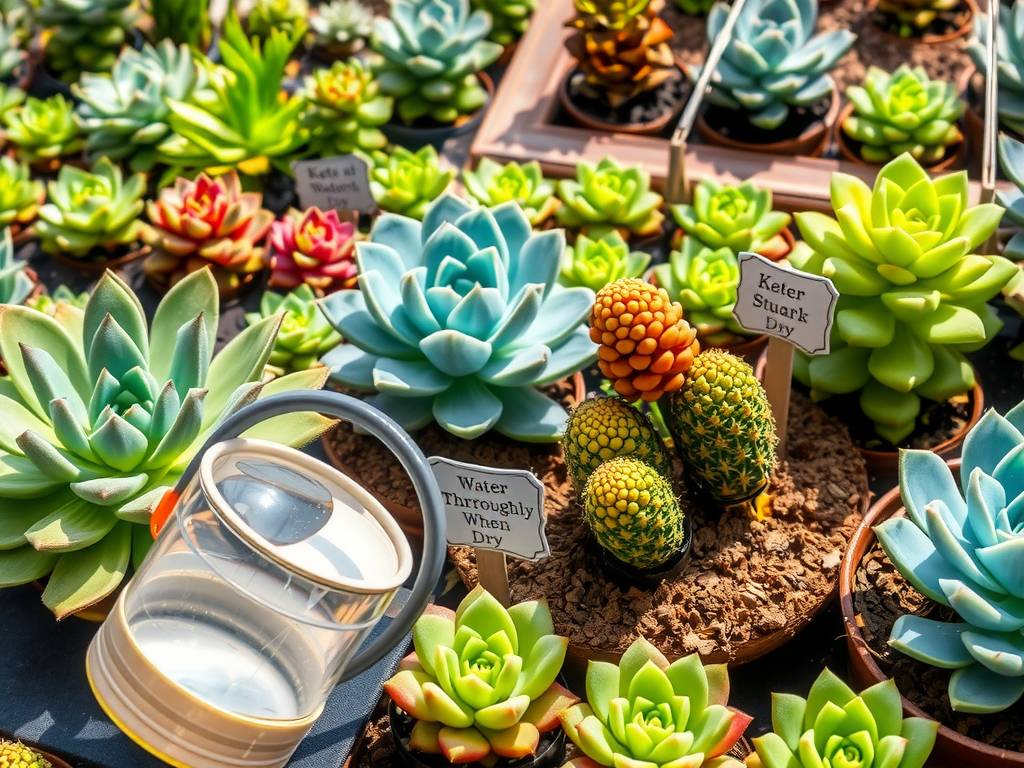
Succulents are survival experts, adapted to arid environments where water is scarce. Their fleshy leaves, stems, or roots act as water reservoirs. This adaptation is both their strength and the source of most care mistakes. They are built to endure drought but are highly susceptible to rot from constant moisture. Therefore, replicating a cycle of drought followed by a deep soak mimics their natural habitat and is key to their health.
The Golden Rule: Water Thoroughly When Dry
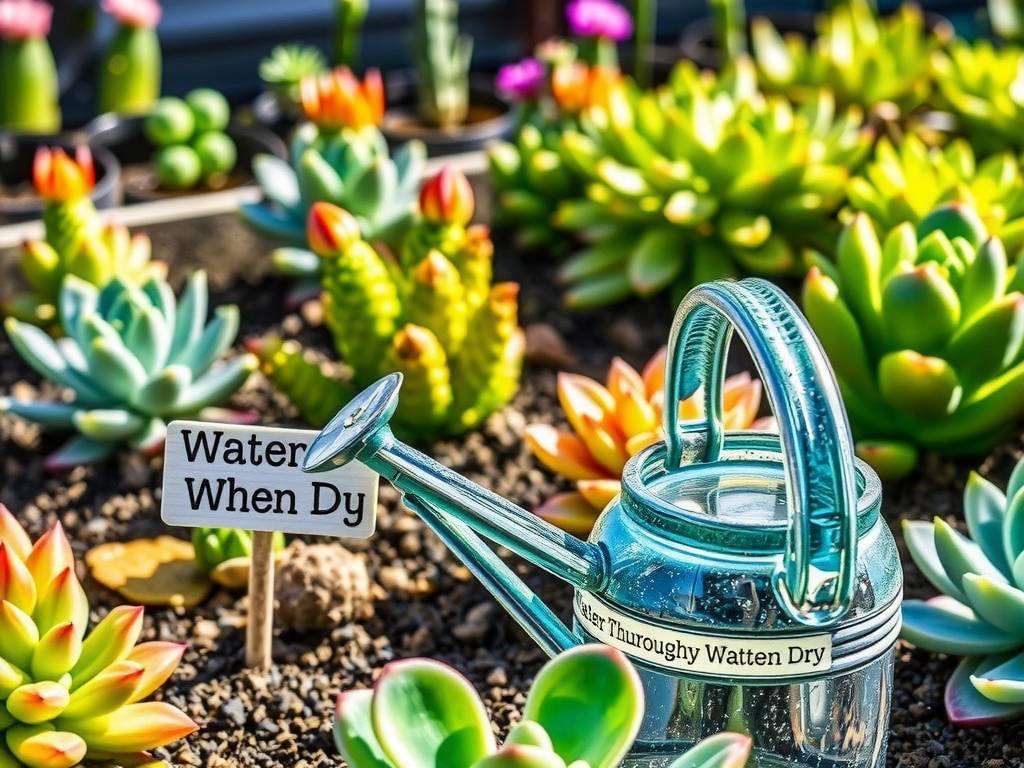
This is the cornerstone of succulent care. It’s a simple phrase but requires proper execution.
What “Dry” Really Means Don’t just check the surface. The top inch or two of soil should be completely dry. For larger pots, it may mean the soil is dry halfway down. The best tool is your finger—poke it into the soil. If you feel any coolness or dampness, wait. Alternatively, use a wooden skewer; if it comes out clean, it’s time to water. As noted by horticulturist Jane Smith in The Modern Succulent Journal, “The single greatest shift from beginner to proficient grower is learning to gauge ‘dryness’ by weight and feel, not by a calendar.”
What “Water Thoroughly” Really Means When it’s time, water with purpose. Slowly pour water onto the soil until it runs freely out of the drainage hole at the bottom. This ensures the entire root ball gets moisture, encouraging roots to grow deep and strong. A light sprinkle only wets the topsoil, leading to weak, shallow roots. Always empty the saucer or cache pot after 15 minutes to prevent the plant from sitting in water.
The Soak and Dry Method in Practice This creates a cycle: complete saturation followed by a period of complete drought. In summer, with active growth and more evaporation, this cycle may be every 7-14 days. In winter, when most succulents are dormant, it could stretch to once a month or longer. The plant will tell you—plump leaves mean wait, slightly wrinkled leaves mean drink.
Essential Maintenance Methods Beyond Watering
While watering is critical, other factors are equally important for long-term health.
Choosing the Right Soil and Pot
Well-draining soil is non-negotiable. A standard potting mix retains too much moisture. Use a specialized cactus and succulent potting mix, or make your own by blending regular potting soil with 50% perlite or coarse sand. The pot must have a drainage hole. Terracotta pots are excellent as they are porous and help soil dry more evenly.
Providing Adequate Sunlight
Most succulents crave bright, indirect light for at least 4-6 hours daily. A south- or east-facing window is ideal. Insufficient light causes “etiolation”—where the plant stretches tall and pale, reaching for the sun. If natural light is limited, consider a grow light. Too much direct, harsh afternoon sun, however, can cause sunburn (brown, scorched spots). Acclimate plants to brighter light gradually.
Feeding for Growth
Succulents are not heavy feeders. Fertilize sparingly during the active growing season (spring and summer) with a balanced, water-soluble fertilizer diluted to half strength. Do not fertilize in fall and winter. Over-fertilizing can cause weak, leggy growth and make them more susceptible to pests.
Seasonal Care Adjustments
Your care must change with the seasons. Summer is for growth, consistent watering, and vigilance for pests like mealybugs. Fall is a time to reduce watering as growth slows. Winter is mostly hands-off—water minimally and provide as much light as possible. Spring is for resuming regular watering, fertilizing, and considering repotting if the plant has outgrown its home.
Troubleshooting Common Problems
- Mushy, Translucent Leaves (Overwatering): This is the most common killer. Stop watering immediately. Check if the stem is black or mushy (stem rot). You may need to behead the plant and re-root the healthy top part in dry soil.
- Shriveled, Wrinkled Leaves (Underwatering): The plant is using its reserves. Give it a thorough soak. It should plump up within a few days.
- Stretched, Leggy Growth (Insufficient Light): Move to a brighter location. You can propagate the top rosette to start a new, compact plant.
- Brown, Crispy Spots (Sunburn): Move to a location with bright but filtered light. Sunburned leaves won’t recover, but new growth will be healthy.
How often should I water my succulents? There is no universal schedule. Frequency depends on climate, season, pot size, and soil. Always use the “dry” test rather than watering on a set day of the week. In doubt, it’s safer to wait a few more days.
Can I mist my succulents instead of watering them? No. Misting only dampens the surface and can promote rot on the leaves. It does not provide the deep root hydration succulents need. Always water the soil directly and thoroughly.
What’s the best way to propagate my succulents? Many succulents propagate easily from leaves or stem cuttings. Gently twist a healthy leaf, let the broken end callous over for 2-3 days, then place it on top of dry soil. Avoid watering until tiny roots and a new plantlet appear, which can take several weeks.
Mastering succulent care is about embracing their natural rhythm of feast and famine. By prioritizing the water thoroughly when dry method and supporting it with the right succulent maintenance methods—proper light, soil, and seasonal awareness—you transform from a worried plant owner into a confident grower. Observe your plants closely, adjust your care to their signals, and you’ll be rewarded with a stunning, resilient collection that brings joy for years to come.