bluename
 How to Care for Cactus: Strong Light and Less Water Care Suggestions
You’ve brought home a spiky, sculptural cactus, drawn to its unique beauty and promise of easy care. Yet, instead of thriving, it’s starting to look pale, mushy at the base, or oddly stretched out. The common frustration of seeing a supposedly “unkillable” plant struggle is real, and it almost always boils down to two fundamental mistakes: not enough light and too much water. Understanding the proper balance of strong light and less water is the golden rule for how to care for cactus plants successfully. This guide will transform your approach, turning guesswork into a confident, thriving routine.
Understanding Your Cactus’s Native Habitat
To care for a cactus correctly, think like a desert dweller. Most cacti originate from arid environments where conditions are harsh and resources are scarce. The intense, direct sun is a daily constant, while rainfall is infrequent but often heavy when it arrives. The soil is typically gritty, rocky, and drains exceptionally fast. Your cactus’s entire physiology—from its thick, water-storing stems to its protective spines and shallow, widespread roots—is engineered for this life. Replicating these core conditions of bright light and excellent drainage is not just helpful; it’s essential for survival.

The Non-Negotiable: Providing Strong, Direct Light
Light is the primary energy source for your cactus. Without it, growth becomes weak, and the plant’s natural defenses break down.
Sunlight is the Best Choice For robust health and flowering, nothing beats direct sunlight. A south-facing window is the prime indoor real estate for most cacti. East or west-facing windows can work but may provide less intense exposure. Observe your plant: a happy, sun-fed cactus will exhibit compact, firm growth and often develop rich, stress-colored hues (like reds or purples) on its skin.
Signs Your Cactus Needs More Light Be alert to etiolation—this is the telltale sign of light starvation. The plant will stretch unnaturally toward the light source, resulting in a thin, pale, and weak new growth section atop the older, healthier base. This damage is permanent. If you notice this, gradually acclimate your cactus to a brighter location to prevent sunburn.
Supplementing with Grow Lights If your home lacks sufficient natural light, especially in winter, full-spectrum LED grow lights are an excellent solution. Position the light close to the cactus (6-12 inches away) and provide 12-14 hours of illumination daily to mimic a desert day.
The Art of “Less Water”: A Strategic Approach
Overwatering is the single fastest way to kill a cactus. The mantra “less water” doesn’t mean no water; it means deep, infrequent watering that mimics a desert downpour.
The Golden Rule: Soak and Dry Forget the weekly watering schedule. The only reliable method is the “soak and dry” technique. Water the soil thoroughly until excess water drains freely from the pot’s bottom. Then, allow the potting mix to become completely, 100% dry before you even consider watering again. This cycle encourages strong root growth and prevents rot.
How to Check for Dryness Don’t rely on the surface. Stick your finger, a wooden chopstick, or a moisture meter deep into the soil. If it feels damp or soil sticks to it, wait. For larger pots, the drying process can take several weeks. When in doubt, wait another week.
Seasonal Watering Adjustments Cacti have active and dormant periods. During spring and summer’s warm, sunny growth season, they will use water more quickly. In fall and winter, when growth slows or stops, they may need water only once a month or even less. As noted by horticulturist Dr. Linda Chalker-Scott, “Dormant plants in low-light conditions require minimal water, as their root systems are functionally inactive and prone to rot.”
The Critical Foundation: Soil and Pot Selection
The right soil and pot are your insurance policy against overwatering, making the “less water” practice effective.
Choosing the Perfect Fast-Draining Mix Standard potting soil holds too much moisture. You need a specialized cactus potting soil or succulent mix. For even better drainage, create your own blend by amending a commercial mix with 50% or more inorganic materials like perlite, pumice, or coarse sand. This creates the airy, fast-draining environment cactus roots crave.
The Importance of Drainage Holes Always, without exception, use a pot with at least one drainage hole. This allows excess water to escape, preventing the roots from sitting in a soggy “bathtub.” Terracotta pots are ideal because they are porous, allowing the soil to dry from the sides as well as the top.
Advanced Care for a Thriving Plant
Beyond light and water, a few extra steps will ensure your cactus flourishes.
Feeding: Less is More Cacti are not heavy feeders. During the active growing season (spring/summer), a balanced, diluted fertilizer formulated for cacti and succulents can be applied once a month. Avoid fertilizing in fall and winter.
Managing Common Pests and Problems Even with perfect care, watch for pests like mealybugs (cotton-like fluff) or scale (small, hard bumps). Treat infestations early with a cotton swab dipped in rubbing alcohol or an insecticidal soap. The most common issue, root rot from overwatering, presents as a soft, discolored, often blackened base. If caught early, you can cut away the rot, let the plant callus, and re-root it in fresh, dry soil.
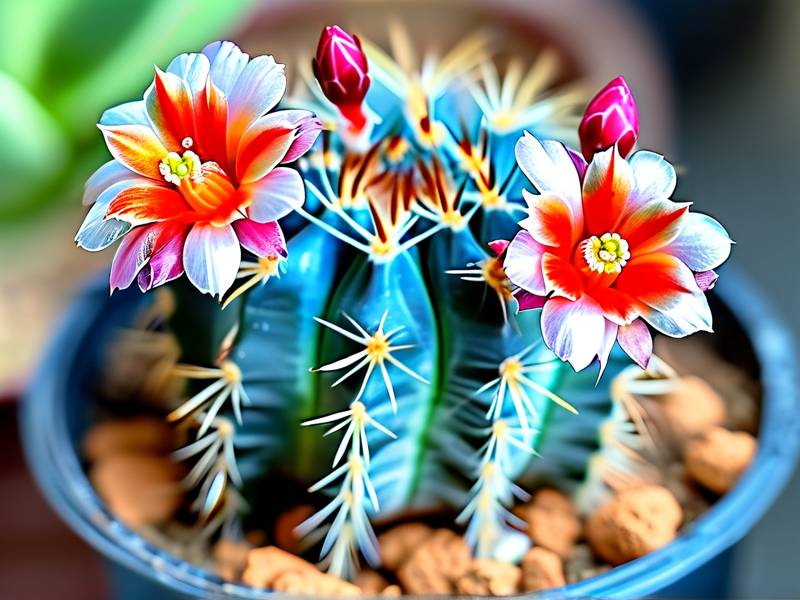
Encouraging Your Cactus to Flower Mature, well-cared-for cacti will reward you with spectacular blooms. The key triggers are a pronounced winter dormancy period with cooler temperatures and very sparse watering, followed by abundant spring sunlight. Patience is essential, as some species may take years to reach blooming maturity.
How often should I water my cactus indoors? There is no universal schedule. The frequency depends on pot size, soil, light, and season. Always use the “soak and dry” method, checking for complete dryness between waterings. In winter, this could mean 4-6 weeks between waterings or longer.

Can a cactus recover from too much water? It can, if the damage is not too severe. If the base is soft and mushy, the rot may be advanced. For early signs (slight softening), stop watering immediately, move the plant to a brighter, warmer location, and let the soil dry out completely. In severe cases, unpot the plant, cut away all rotten tissue, and follow the re-rooting process.
Why is my cactus turning yellow or brown? A yellow, translucent appearance usually indicates overwatering and potential rot. A firm, brown, corky patch at the base is often just natural, harmless corking as the plant ages. A brown, dry, scorched patch on the sun-facing side is likely sunburn from too-rapid exposure to intense light. Adjust care based on the symptom.
Mastering cactus care is about embracing the desert mindset. By prioritizing intense light and mastering the strategic, infrequent soak-and-dry watering method, you work with your plant’s natural biology, not against it. Combine this with a gritty, well-draining soil mix and a pot with proper drainage, and you create an environment where your cactus can truly thrive. Pay close attention to the signals your plant gives—its firmness, color, and growth pattern—and let those guide you more than any calendar. With these principles, your cactus will not just survive but will become a resilient and rewarding centerpiece in your home for years to come.