bluename
 How to Care for Chamaedorea Elegans: Semi-Shade and Moisture-Loving Maintenance Tips
You’ve brought home a beautiful Chamaedorea elegans, also known as the parlor palm. Its graceful, feathery fronds promised a touch of the tropics. But now, you’re noticing the tips turning brown, or perhaps the vibrant green is fading to a sickly yellow. You’re not alone. The most common mistake with this popular houseplant is misunderstanding its two fundamental needs: gentle light and consistent moisture. This guide will demystify the care for your parlor palm, transforming your worries into a thriving, lush green companion.
Understanding Your Parlor Palm’s Origins
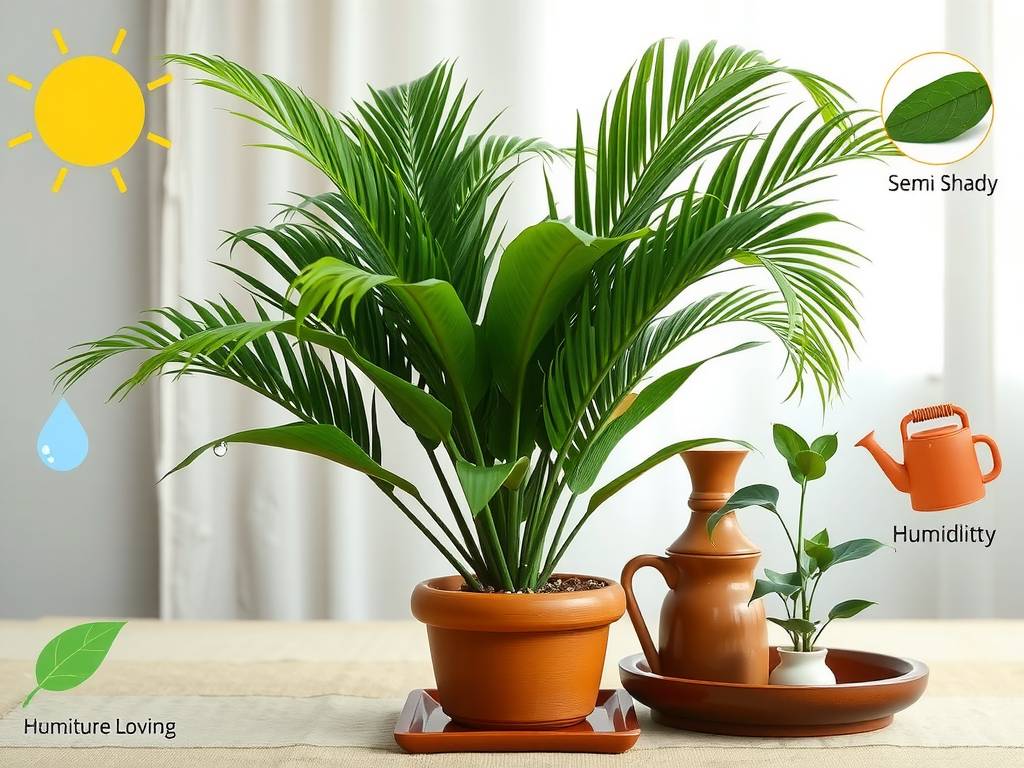
To care for Chamaedorea elegans effectively, it helps to know where it comes from. This palm is native to the dense rainforests of Southern Mexico and Guatemala. There, it thrives on the forest floor, sheltered from direct sun by a dense canopy above. The air is humid, and the soil is rich, well-draining, and consistently moist but never waterlogged. Replicating these conditions in your home is the key to success. It’s a plant built for patience and steady conditions, not extremes.
Mastering the Light: The Art of Semi-Shade
The term “semi-shade” is crucial for parlor palm health. Direct sunlight, especially the harsh afternoon rays, will scorch its delicate leaves, leading to crispy brown patches and bleached foliage.
Your ideal placement is near a north or east-facing window where it receives bright, filtered light. A spot a few feet back from a south or west window, shielded by a sheer curtain, is also perfect. If the fronds are stretching out loosely and the growth seems unusually slow and leggy, it’s a sign it needs a bit more light. Conversely, yellowing or browning leaves often signal too much direct exposure. Remember, this is an understory plant; think dappled sunlight, not a sunbath.
The Watering Balance: Keeping Roots Happy and Hydrated
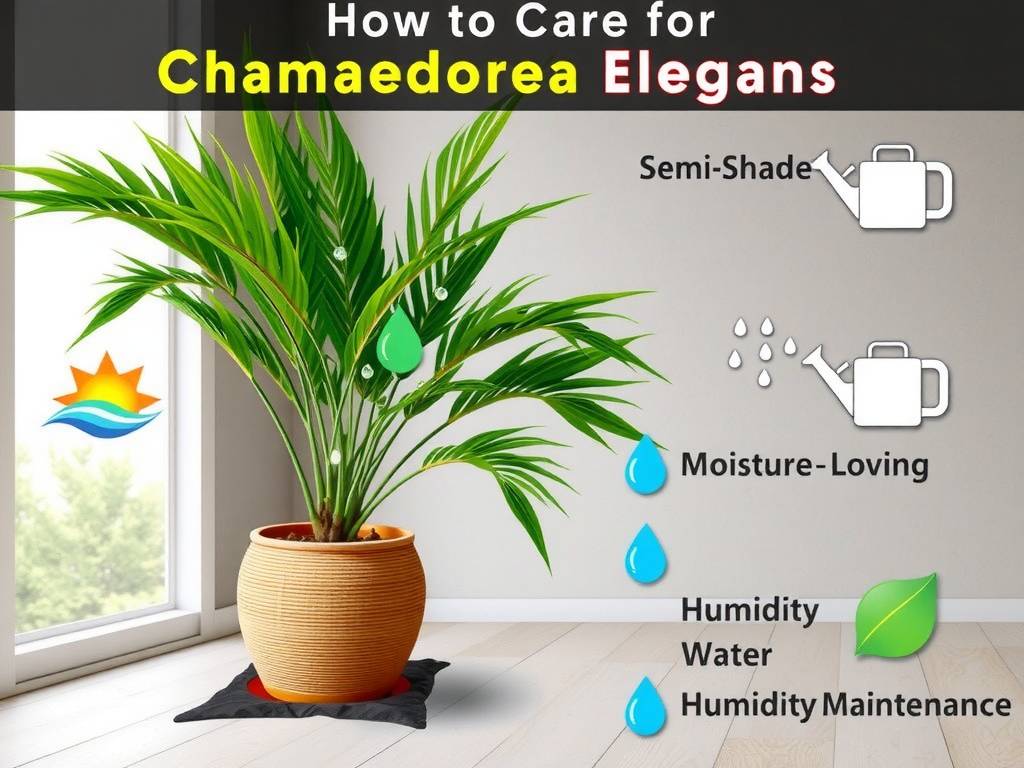
Watering is where most parlor palm problems begin. The goal is “evenly moist.” This doesn’t mean soggy. It means the top inch of soil should be allowed to dry out slightly before you water again.
During the active growing season (spring and summer), check the soil weekly. Insert your finger about an inch deep. If it feels dry, it’s time for a thorough watering. Water slowly and evenly until you see it drain freely from the bottom of the pot. Always empty the saucer after 15 minutes to prevent root rot. In winter, reduce watering frequency as growth slows and the soil takes longer to dry. A moisture meter can be a valuable tool to remove the guesswork and ensure perfect watering for your moisture-loving palm.
Creating a Humid Microclimate
Average home humidity, especially with heating or air conditioning, is often too low for this tropical native. Low humidity leads directly to those dreaded brown, crispy leaf tips.
Grouping plants together creates a shared, more humid microclimate. Placing your palm’s pot on a pebble tray filled with water (ensure the pot sits above the water line) is a classic and effective method. For the best results, especially in dry climates, a room humidifier placed nearby is a game-changer. Occasional misting can help, but it’s a temporary boost and not a substitute for these more consistent solutions. Your palm’s fronds will thank you with a fresher, greener appearance.
Feeding and Soil: The Foundation of Health
A Chamaedorea elegans doesn’t require heavy feeding, but it appreciates support during its growth periods. Use a balanced, water-soluble fertilizer diluted to half strength. Apply it once a month from early spring to late summer. Stop fertilizing entirely in fall and winter when the plant is dormant.
The right soil is non-negotiable. A high-quality, peat-based potting mix formulated for palms or African violets is ideal. These mixes retain moisture while providing excellent drainage and aeration. Repotting is only necessary every 2-3 years, or when you see roots circling the bottom of the pot. Choose a new pot only one size larger to avoid excess wet soil around the roots.
Troubleshooting Common Issues
Even with great care, you might encounter a few issues. Here’s how to decode your palm’s signals.
Brown Leaf Tips: This is almost always a sign of low humidity or chemical sensitivity. Use filtered or distilled water if your tap water is heavily fluoridated, and increase ambient humidity.
Yellowing Lower Fronds: It’s normal for the oldest fronds to yellow and die off occasionally as part of the natural growth cycle. Simply prune them at the base. Widespread yellowing, however, can indicate overwatering or poor drainage.
Pests: Parlor palms are relatively resistant but can occasionally attract spider mites in dry conditions or scale insects. Wiping the fronds with a damp cloth regularly helps prevent this. For infestations, treat with insecticidal soap or neem oil.
Why are the leaves on my Chamaedorea elegans turning brown at the tips? Brown tips are typically a cry for higher humidity or a reaction to chemicals in tap water. Boost moisture around the plant with a pebble tray or humidifier, and try switching to rainwater or filtered water for watering.
How often should I water my parlor palm indoors? There’s no fixed schedule. The frequency depends on light, temperature, and pot size. Always use the finger test: water thoroughly when the top inch of soil is dry, and ensure excess water can drain away completely.
Is the parlor palm safe for pets? Yes. The Chamaedorea elegans is listed as non-toxic to both cats and dogs by the ASPCA, making it an excellent and safe choice for pet-friendly households.
By embracing its love for semi-shade and consistent moisture, you unlock the simple secret to a healthy Chamaedorea elegans. This resilient palm asks for little more than a stable, gentle environment reminiscent of its forest home. Pay attention to its subtle cues—the color of its fronds, the feel of its soil—and you’ll be rewarded with a enduring piece of tranquil, tropical elegance that purifies your air and beautifies your space for years to come.