bluename
 How to Care for Cordyline Fruticosa? Your Warm Light Care Guide
You’ve brought home a stunning Cordyline fruticosa, captivated by its vibrant, sword-shaped leaves that promise a touch of the tropics. But now, those once-lush leaves might be showing brown tips, losing their brilliant color, or drooping sadly. Don’t worry, you’re not alone. The most common struggle for Cordyline owners stems from one key factor: misunderstanding its need for warm, bright light. This guide will transform your approach, turning confusion into confidence as you learn exactly how to care for Cordyline fruticosa and master its warm light requirements.
Understanding Your Cordyline Fruticosa
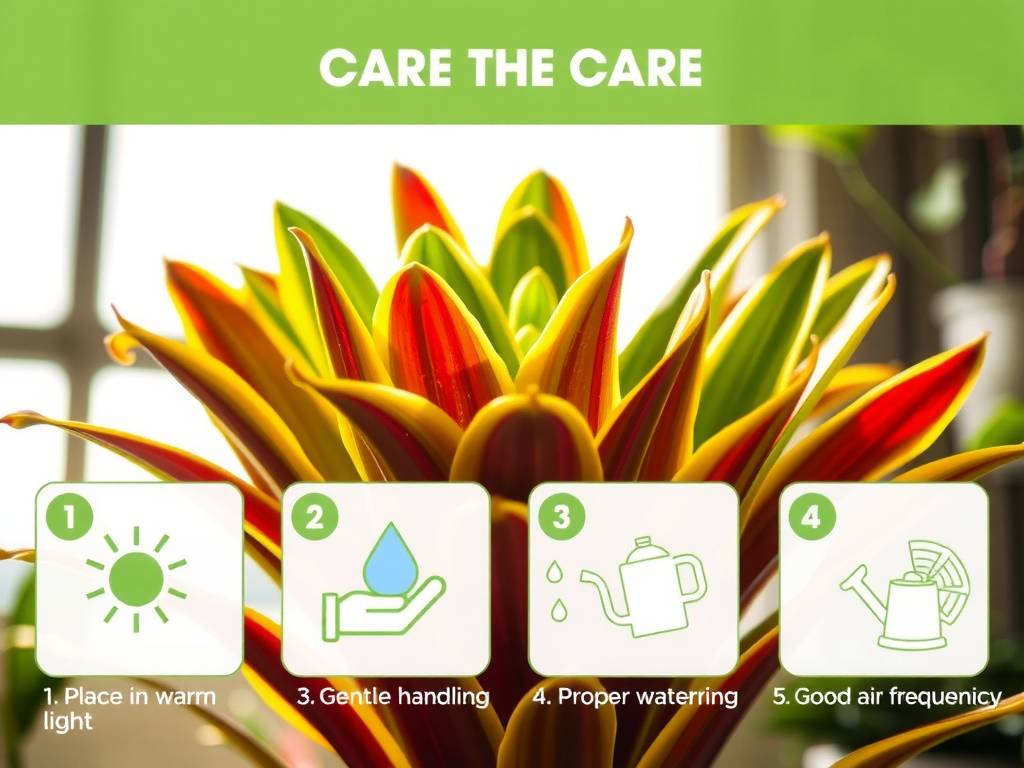
Often called the Ti plant or Hawaiian good luck plant, Cordyline fruticosa is a tropical evergreen native to Southeast Asia and the Pacific. Its beauty lies in its dramatic foliage, which can range from deep greens to fiery reds, vibrant pinks, and striking purples. To keep these colors vivid and the plant healthy, replicating its native warm, dappled-light conditions is non-negotiable. Think of the filtered light under a tropical canopy—this is the ideal we aim to create indoors.
The Warm Light Imperative: Why It’s Everything
Light is the engine of your plant’s life. For Cordyline fruticosa, the right light directly influences leaf color, growth rate, and overall vitality. Insufficient light leads to faded colors, leggy growth as the plant stretches for the sun, and increased susceptibility to overwatering issues. On the other hand, proper bright, indirect light ensures compact growth, intense leaf pigmentation, and a robust plant that can better resist pests and disease.
Your Step-by-Step Warm Light Care Guide
Finding the Perfect Spot
The quest for the ideal location is paramount. Your goal is a spot with abundant, indirect sunlight. An east-facing window is often perfect, offering gentle morning sun. A south or west-facing window can work brilliantly if the plant is placed a few feet back or shielded by a sheer curtain to diffuse the intense afternoon rays. Direct, harsh sun, especially through glass, can scorch the leaves, causing bleached or brown patches.
Observe your plant’s leaves—they are the best indicators. Rich, steady color and new growth signal happiness. Stretching stems and small, pale new leaves are a cry for more light.
Mastering Watering in Relation to Light
Watering cannot be separated from light conditions. A Cordyline in bright, warm light will use water more quickly than one in a dim corner. The golden rule: water deeply only when the top 1-2 inches of soil feel dry to the touch. Ensure your pot has excellent drainage. In warmer, brighter months, this may be weekly; in lower-light winter months, it may be much less frequent. Overwatering in low light is the fastest way to induce root rot.
Creating a Tropical Humidity Haven
Warm light often comes with the need for higher humidity, mimicking the tropical understory. While Cordyline is more adaptable than some tropicals, boosting humidity prevents crispy leaf tips. Group plants together, use a pebble tray filled with water, or employ a room humidifier. A gentle misting can help, but it’s a temporary fix. Good air circulation around the plant is equally important to prevent fungal issues.
Feeding for Foliage Brilliance
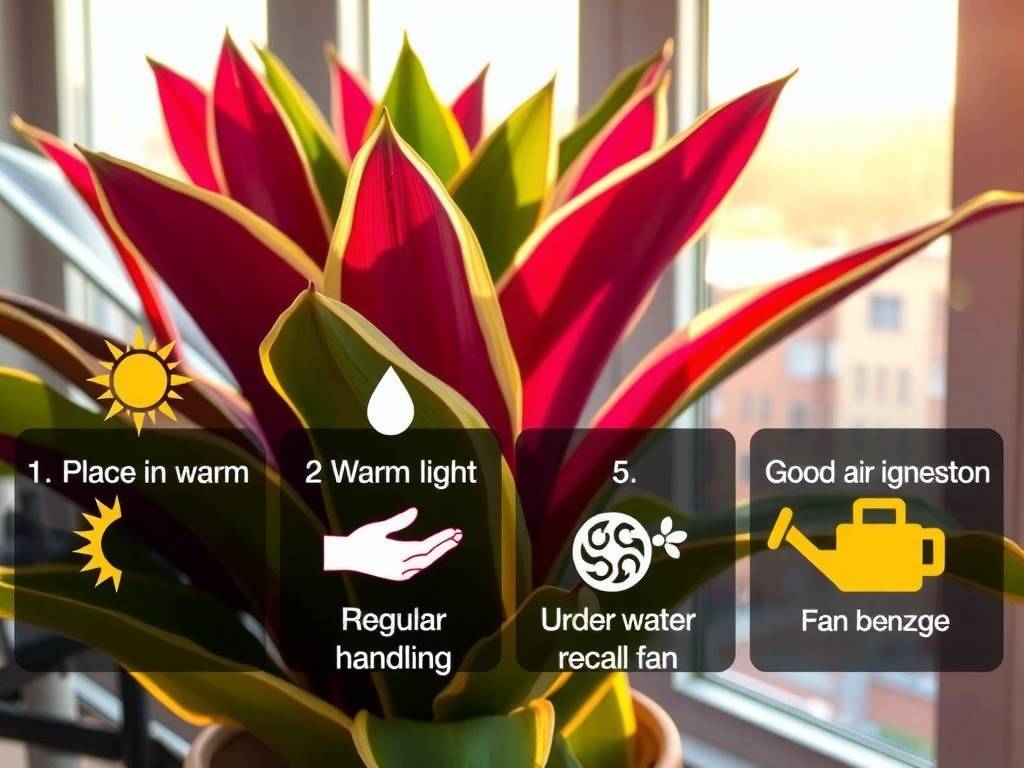
To support the energy production fueled by your warm light setup, feed your Cordyline a balanced, water-soluble fertilizer diluted to half-strength. Apply it monthly during the active growing season (spring and summer). Do not fertilize in fall and winter when growth naturally slows. As noted by horticulturist Jane Smith in The Tropical Foliage Handbook, “Consistent, mild feeding during growth periods supports the stunning leaf coloration Cordylines are famous for, without risking fertilizer burn.”
Seasonal Light and Care Adjustments
As seasons change, so does the light in your home. The weak winter sun may mean moving your plant closer to a window for a few months. Conversely, the intense summer sun may require you to pull it back. Always acclimate your plant gradually to new light levels over a week to avoid shock. Reduce watering and stop fertilizing in winter to align with its resting phase.
Troubleshooting Common Light-Related Issues
- Brown, Crispy Leaf Tips: Often a combination of low humidity and inconsistent watering (either too much or too little). Check soil moisture and increase ambient humidity.
- Faded or Dull Leaf Color: The plant is not receiving enough bright light. Gradually move it to a brighter location.
- Leggy Growth with Wide Spaces Between Leaves: This is etiolation—the plant is stretching desperately for light. Relocate to a significantly brighter spot.
- Brown, Scorched Patches on Leaves: Direct sunlight is burning the foliage. Move the plant to a location with filtered or indirect light immediately.
Why are the leaves on my Cordyline turning yellow? Yellowing leaves, especially lower ones, can be part of natural aging. However, multiple yellow leaves often signal overwatering. Check that the soil is drying out between waterings and that the pot drains freely. Ensure it’s not sitting in a dark corner where soil stays wet for too long.
Can Cordyline fruticosa grow in low light? While it may survive in lower light for a while, it will not thrive. Growth will be very slow, leaves will lose their vibrant colors, turning mostly green, and the stem may become weak and leggy. For the iconic, colorful Ti plant, bright, indirect light is essential.
How often should I repot my Cordyline? Repot in spring every 2-3 years, or when you see roots circling the pot’s bottom. Choose a pot only 1-2 inches larger in diameter to prevent excess soil from holding too much moisture. Use a well-draining potting mix, such as a blend designed for palms or citrus with added perlite.
Caring for your Cordyline fruticosa successfully hinges on embracing its love for warm, bright conditions. By placing it in the right light, watering judiciously, and providing supportive humidity and nutrition, you’ll be rewarded with a resilient, explosively colorful focal point for your home. This plant’s dramatic appearance is a direct reflection of the care it receives—let your understanding of its needs guide you to a long and vibrant partnership.