bluename
 How to Care for Dracaena Marginata? Mastering Warm Light Maintenance Techniques
You've brought home a stunning Dracaena marginata, with its elegant, sword-like leaves edged in crimson. It looked perfect in the store. But now, weeks later, you might notice its vibrant red edges fading, new growth looking sparse and pale, or worse, brown crispy tips appearing on those beautiful leaves. Don't worry, you're not alone. The most common culprit behind these issues isn't neglect, but a misunderstanding of its most critical need: the right light. Specifically, how to care for Dracaena marginata successfully hinges on providing warm, indirect light. This guide will demystify exactly what that means and transform you into a confident plant caretaker.
Understanding the "Warm Light" Requirement for Your Dragon Tree
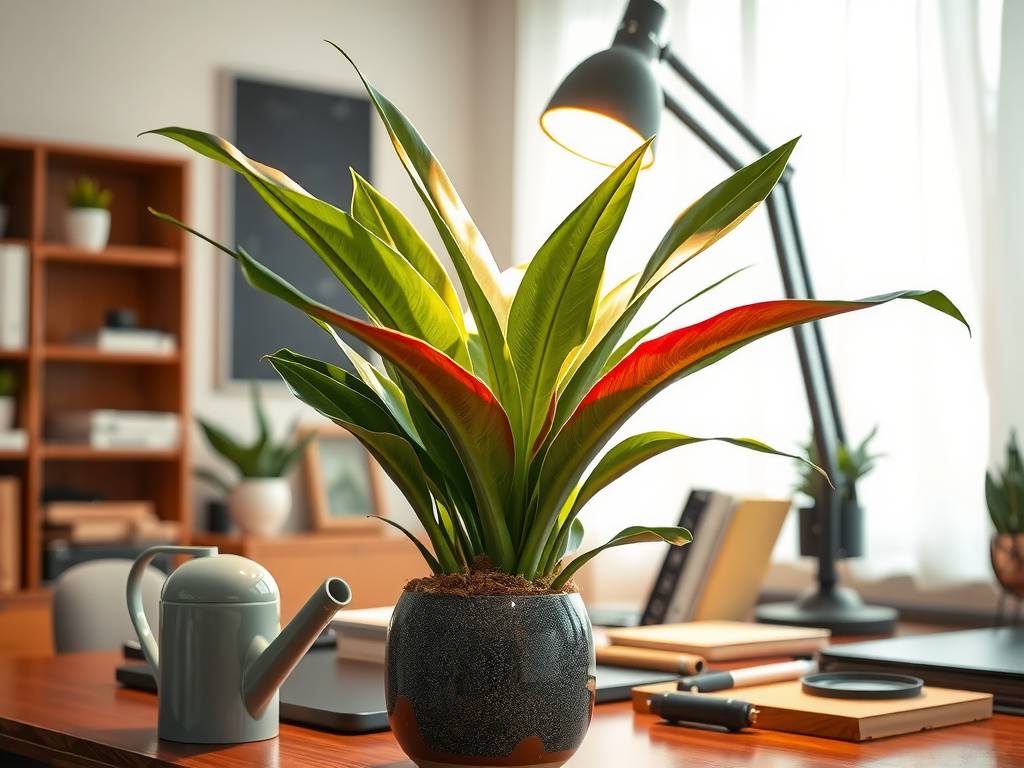
First, let's clarify what we mean by "warm light." In horticulture, light is often described by its temperature, measured in Kelvins (K). Warm light falls in the range of 2,700K to 3,000K, emitting a soft, yellowish glow similar to sunrise or sunset. This is different from cool, bluish-white light (5,000K-6,500K), which mimics midday sun.
Why does this matter for your Dracaena marginata? In its native habitats of Madagascar and other Indian Ocean islands, this plant thrives under the canopy of larger trees. It's adapted to receive dappled sunlight—bright but filtered, and often warmed by the atmosphere. Direct, harsh afternoon sun (cool, intense light) can scorch its leaves, causing irreversible brown spots and bleached areas. As noted by the University of Florida's IFAS Extension, Dracaenas are celebrated for their tolerance of indoor conditions, particularly their ability to thrive in bright, indirect light, which aligns perfectly with the warm light spectrum.
Finding the Perfect Spot: A Practical Guide
So, how do you translate "warm, indirect light" into a real location in your home? It's simpler than it sounds.
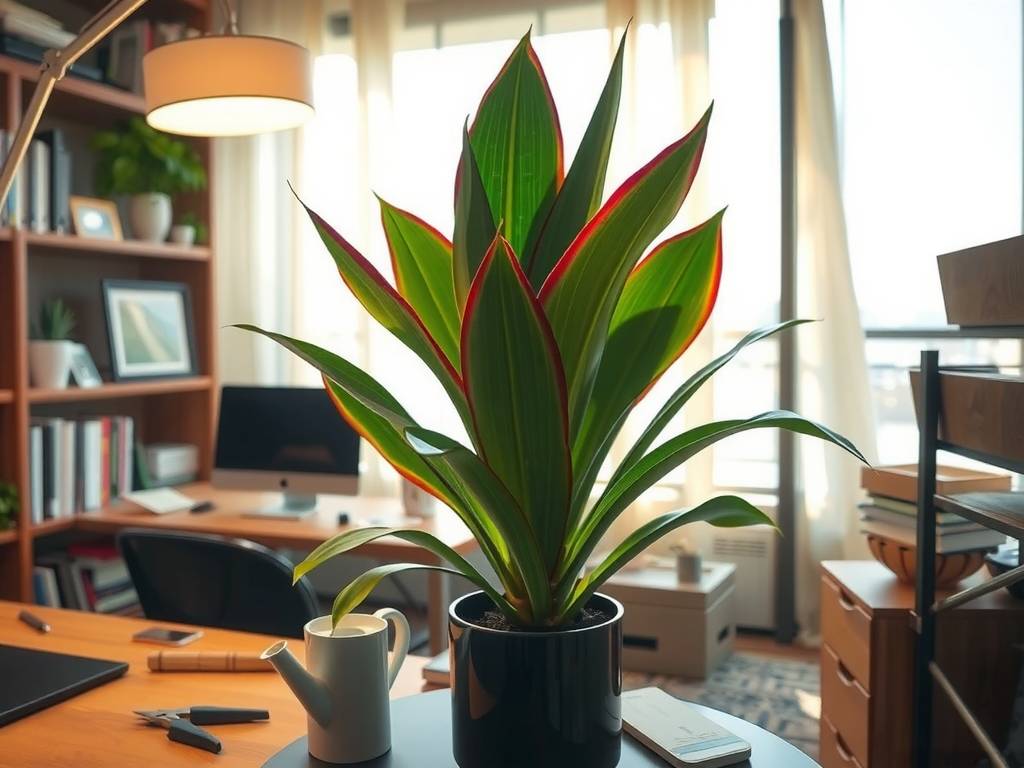
Ideal placements are near east or north-facing windows. An east-facing window bathes your plant in the gentle, warm morning sun, which is rarely too intense. A north-facing window provides consistent, soft brightness all day. These are your prime real estate options.
What about south or west-facing windows? These can work, but they require a buffer. Place your Dracaena marginata several feet back from the window or use a sheer curtain to diffuse the strong, direct rays. This creates that perfect "bright indirect" environment. A good test is the shadow test: your hand should cast a soft, fuzzy shadow near the plant, not a sharp, dark one.
Recognizing the Signs of Light Distress
Your plant will communicate its light needs. Learn its language.
If your Dracaena isn't getting enough warm light, you'll see signs of etiolation: new leaves will be disproportionately smaller, and the space between leaves (internodes) on the stem will stretch out, making the plant look leggy and sparse. The rich red margins may also fade, and growth will slow to a crawl.
Conversely, too much direct, cool light leads to leaf scorch. This appears as dry, brown patches or tips, often starting on the leaves most exposed to the sun. The leaves may also develop a washed-out, pale appearance.
Advanced Warm Light Maintenance Techniques
Beyond placement, you can actively manage light to boost your plant's health.
Seasonal Adjustments are crucial. The low-angled winter sun is weaker and may allow your plant to sit closer to a south-facing window for a few hours. In the blazing summer, you'll likely need to pull it further back or enhance filtering. Rotate your plant a quarter turn every time you water to ensure all sides receive even light, preventing lopsided growth.
For homes with limited natural light, consider supplementing with artificial grow lights. Choose full-spectrum LED bulbs that lean towards the warm white spectrum (around 3,000K). Position them about 12-24 inches above the plant and run them for 8-10 hours a day to simulate a perfect day of dappled light. This is an excellent solution for maintaining vibrant color and steady growth year-round.
Complementary Care in the Right Light
Perfect light sets the stage, but other care elements must harmonize with it.
Watering is directly influenced by light. A Dracaena in bright, warm light will use water faster than one in a dim corner. Always check the soil moisture first. The top 1-2 inches should be dry before you water thoroughly. Overwatering in low light is the fastest way to cause root rot.
Feeding your plant supports the growth encouraged by good light. During the active growing season (spring and summer), feed monthly with a balanced, water-soluble fertilizer diluted to half strength. There's no need to fertilize in fall and winter when light levels and growth naturally slow.
Temperature and humidity complete the picture. Maintain room temperatures between 65°F and 80°F (18°C - 27°C), avoiding cold drafts from windows or hot blasts from vents. Average household humidity is usually fine, but if leaf tips brown despite good light and watering, occasional misting or a pebble tray can help.
My Dracaena's leaves are turning yellow. Is it the light? Yellowing leaves can have several causes. If the yellowing is widespread and combined with soft stems, overwatering is the likely issue. If only the lower, older leaves slowly turn yellow and drop, this is often normal senescence. Light-related yellowing is typically accompanied by pale new growth or scorched spots.
Can I put my Dracaena marginata outside in the summer? Yes, with extreme caution. Acclimate it slowly over a week to outdoor conditions. Place it in a completely shaded or dappled light spot, like under a patio umbrella or a tree. Never expose it to direct outdoor sun, which is far more intense than any indoor window. Bring it back inside well before nighttime temperatures drop below 60°F (15°C).
How fast will it grow in optimal warm light conditions? With perfect warm, indirect light, consistent care, and seasonal feeding, your Dracaena marginata can grow 6-12 inches per year. It's a moderately slow grower, prized for its manageable indoor size and architectural form. Patience is key—you are cultivating a long-term companion.
Mastering the art of Dracaena marginata warm light maintenance is the cornerstone of its care. By seeking out or creating that spot with gentle, filtered brightness, you replicate the conditions it loves. This simple act prevents the majority of common problems and allows its dramatic, red-edged foliage to truly shine. Pair this with mindful watering and occasional feeding, and your Dragon Tree will reward you with years of resilient, elegant growth, becoming a striking focal point in your well-lit space.