bluename
 The snake plant with silver stripes is truly a gem in the world of houseplants. With its striking vertical leaves marked by silvery-gray patterns, this variety brings elegance and air-purifying benefits to any space. What makes it particularly special is its remarkable adaptability - it thrives where other plants might struggle, making it perfect for modern living.
If you're new to plant parenting or simply want a low-maintenance green companion, you're in the right place. This comprehensive guide will walk you through everything you need to know about caring for your silver stripe snake plant, including the latest 2025 plant care trends and research findings.
Understanding Your Plant's Origins
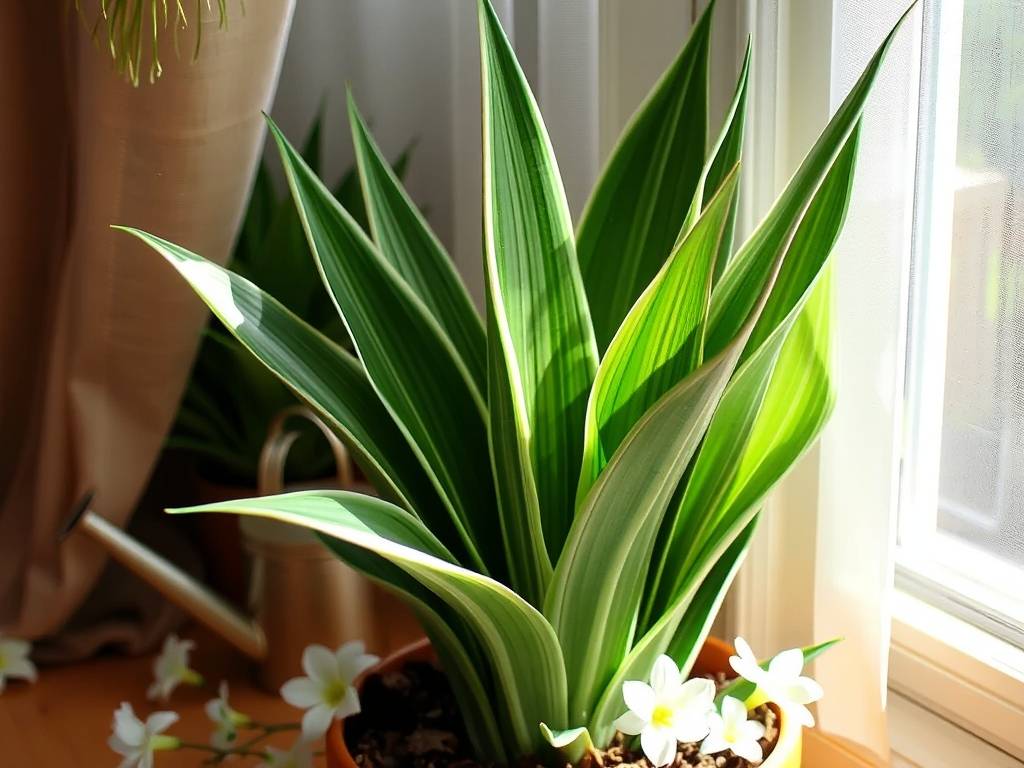
Native to West Africa, snake plants have evolved to survive in challenging conditions. The silver stripe variety (Sansevieria trifasciata 'Silver Stripe') shares this resilient heritage while offering unique visual appeal. Its leathery leaves with silver-gray horizontal stripes aren't just beautiful - they're survival adaptations that help the plant conserve water and tolerate various light conditions.
Light Requirements: Embracing the Shade-Tolerant Nature
One of the most praised characteristics of snake plants is their shade tolerance. While they can adapt to lower light conditions, understanding their preferences will help your plant truly thrive.
In north-facing rooms or spaces further from windows, your silver stripe snake plant will grow steadily, though perhaps more slowly. The silver patterns might become less pronounced in very low light, but the plant will remain healthy.
For optimal growth and coloration, bright indirect light works wonders. East-facing windows are ideal, as morning sunlight isn't too harsh. If you only have south or west exposure, position the plant a few feet away from the window or use sheer curtains to filter intense afternoon sun.
Recent 2025 research from the International Houseplant Society reveals that snake plants exposed to moderate indirect light show 40% faster growth and more vibrant leaf coloration compared to those in deep shade.
Watering Wisdom: Mastering Drought-Tolerant Care
The number one mistake people make with snake plants is overwatering. These plants have rhizomes and thick leaves that store water, making them incredibly drought-tolerant.
During spring and summer, water thoroughly only when the soil is completely dry. For most home environments, this means every 2-4 weeks. In winter, extend this to every 4-6 weeks or even longer if your home is particularly cool.
The finger test remains the most reliable method: insert your finger about two inches into the soil. If it feels dry, it's time to water. If there's any moisture, wait a few more days.
Use room temperature water and pour evenly around the plant until water drains through the bottom. Always empty the drainage tray within 30 minutes to prevent root rot.
Soil and Potting Essentials
Your silver stripe snake plant needs well-draining soil to prevent waterlogged roots. A standard cactus or succulent mix works well, or you can create your own blend with two parts regular potting soil, one part perlite, and one part coarse sand.
When selecting a pot, choose one with drainage holes. Terracotta pots are excellent for snake plants because they're porous and help soil dry more evenly. Repotting is typically needed every 2-3 years, or when you see roots emerging from the drainage holes.
Temperature and Humidity Preferences
Snake plants are quite adaptable to typical household conditions. They prefer temperatures between 70-90°F (21-32°C) during the day and no lower than 50°F (10°C) at night.
Average household humidity of 30-50% is perfectly adequate. You don't need to mist your snake plant - in fact, excessive moisture on leaves can encourage fungal issues.
Feeding Your Plant: Fertilizer Guidelines
Snake plants aren't heavy feeders. During the growing season (spring through summer), use a balanced liquid fertilizer diluted to half strength once monthly. A recent 2025 study by Urban Jungle Magazine found that snake plants respond better to organic fertilizers with micronutrients compared to synthetic options.
Avoid fertilizing during fall and winter when growth naturally slows. If you notice the leaf tips turning brown, you might be over-fertilizing.
Encouraging Those Rare White Flowers
Mature snake plants occasionally produce fragrant white flowers, typically in spring. While flowering isn't guaranteed, proper care increases the likelihood.
Provide slightly more light as days lengthen in spring, but avoid sudden changes. Some mild stress, such as being slightly root-bound, can trigger flowering. Don't deliberately stress your plant, but know that being slightly pot-bound isn't necessarily bad.
The flowers emerge on long stalks and open in the evening, releasing a sweet fragrance that's particularly noticeable at night.
Common Issues and Solutions
Yellowing leaves usually indicate overwatering. Check soil moisture and adjust your watering schedule accordingly. If the problem persists, you might need to check for root rot and repot in fresh soil.
Soft, mushy leaves are another sign of overwatering or cold damage. Cut away affected leaves and improve growing conditions.
Brown leaf tips can result from underwatering, low humidity, or fertilizer burn. Identify the cause and adjust accordingly.
Pests are relatively uncommon, but watch for mealybugs or spider mites. Wipe leaves with a damp cloth regularly to prevent infestations. For existing problems, use insecticidal soap or neem oil.
Propagation Made Simple
Spring is the best time to propagate your silver stripe snake plant. You have several options:
Leaf cuttings are the most popular method. Cut a healthy leaf into 3-4 inch sections, let them callous for a day or two, then insert them about an inch deep in moist potting mix. Keep the soil lightly moist until new growth appears.
Division works well for larger plants. Gently remove the plant from its pot and separate the root clumps, making sure each division has some roots attached. Repot each section individually.
Styling Your Space
The vertical growth habit and striking silver-striped leaves make this plant incredibly versatile in home decor. Use it as a striking focal point in minimalist spaces, or combine it with other plants with different textures.
In offices with fluorescent lighting, snake plants perform remarkably well. Their air-purifying qualities, confirmed by NASA's Clean Air Study, make them excellent for bedrooms and living areas.
For modern interior trends in 2025, designers are grouping three snake plants of varying heights together for dramatic effect. The silver stripes complement both cool and warm color schemes, making them adaptable to any design aesthetic.
Seasonal Care Calendar
Spring: Increase watering frequency as growth resumes. Begin fertilizing. Good time for repotting if needed.
Summer: Maintain consistent care. Watch for signs of sunburn if near bright windows.
Fall: Gradually reduce watering and stop fertilizing as growth slows.
Winter: Water sparingly. Protect from cold drafts near windows.
Advanced Tips for Thriving Plants
Rotate your plant quarterly to ensure even growth, as it will naturally lean toward light sources.
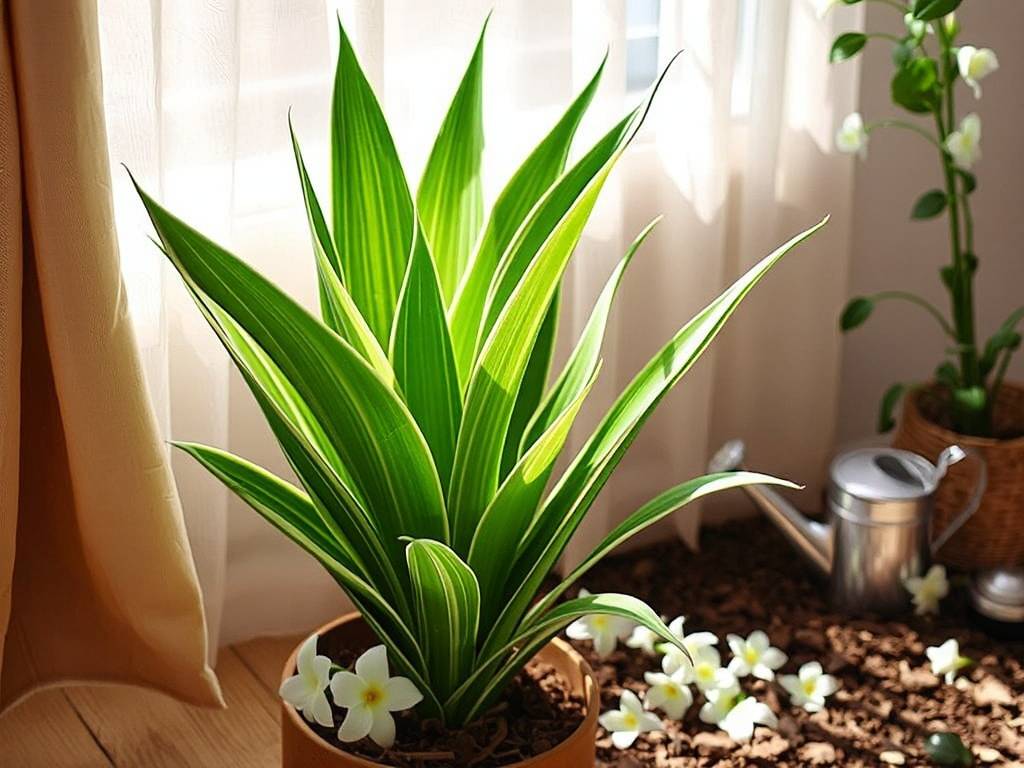
Dust the leaves monthly with a soft, damp cloth to keep the silver patterns vibrant and to support efficient photosynthesis.
If your plant becomes too tall and risks tipping over, don't hesitate to prune the tallest leaves at the base. This will encourage new growth from the soil line.
Remember that snake plants are toxic if ingested, so keep them away from curious pets and children.
The silver stripe snake plant is more than just a pretty face - it's a resilient companion that adapts to your lifestyle while cleaning your air and enhancing your space. With these care guidelines, you're equipped to help your plant not just survive, but truly flourish. The most important thing is to observe your plant and respond to its signals. Happy growing