bluename
 With its distinctive spotted leaves and remarkable resilience, the spotted aloe vera (often a variety of Aloe vera or similar species like Alone nobilis) is a superstar in the world of succulents. If you've welcomed one of these elegant plants into your home, you're probably wondering how to keep it thriving. The good news is, with a few key insights, you can master its care and even enjoy its stunning orange-red flowers.
Let's dive into the essentials of creating the perfect environment for your spotted friend.
Understanding Your Plant's Origins
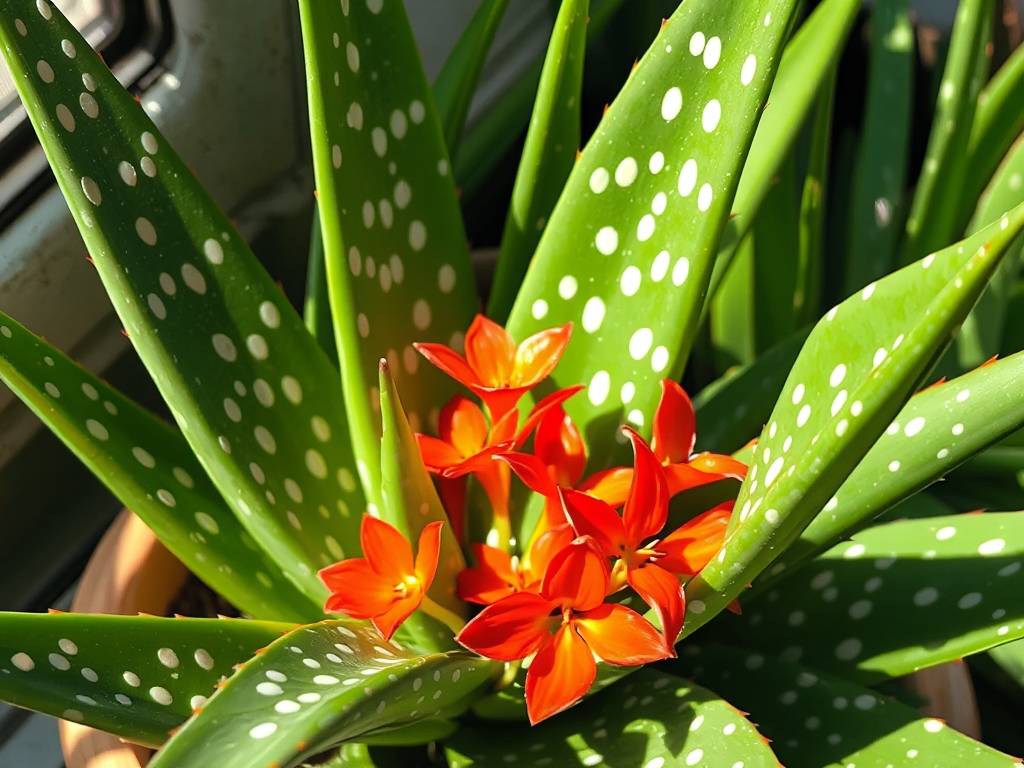
To care for your spotted aloe vera properly, it helps to think about where it comes from. These plants are native to arid, sunny regions. Their thick, fleshy leaves are designed to store water, and their unique spotting is part of their adaptation to strong sunlight. This is your first clue: mimic its natural habitat, and you'll have a happy plant.
The Perfect Spot: Mastering Light Needs
Light is arguably the most critical factor. Your spotted aloe vera craves strong, bright light. A south-facing or west-facing windowsill is an ideal location where it can bask in several hours of direct sunlight daily.
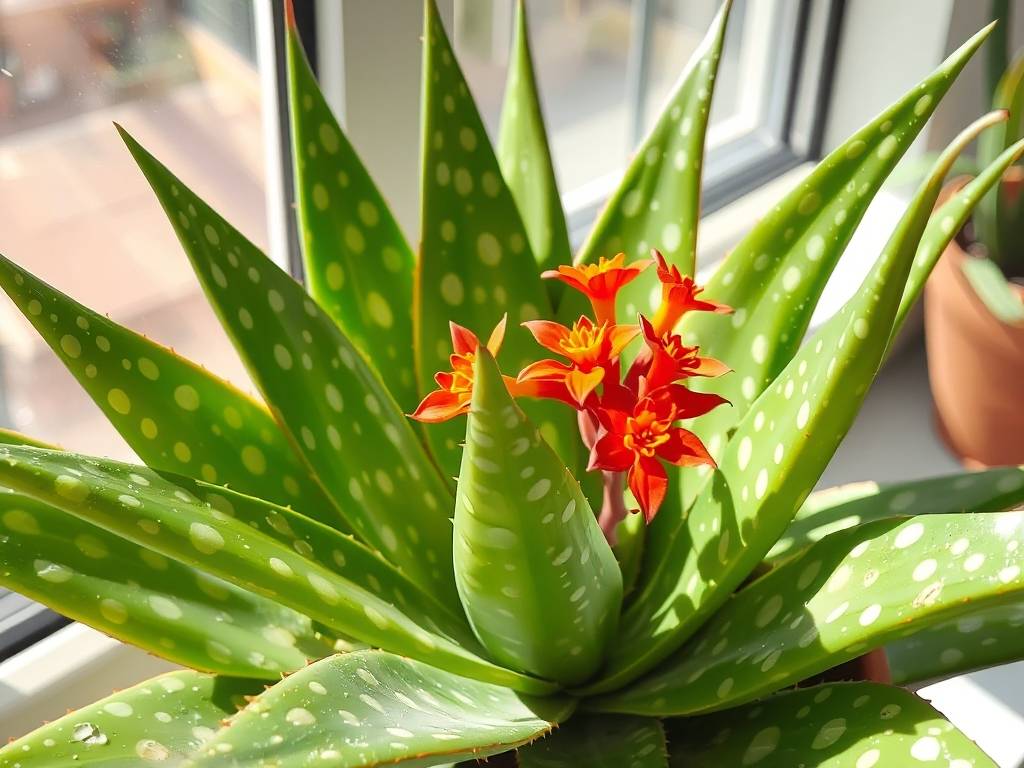
However, there's a nuance here. While it loves strong light, be cautious of intense, scorching afternoon sun through a window, especially in the peak of summer around 2025. This can sometimes cause the leaves to turn a reddish-brown, a sign of stress. If you notice this, simply filter the light with a sheer curtain or move the plant slightly back from the window.
A common question is about growing these plants under artificial lights. With the advancement in full-spectrum LED grow lights, this has become a fantastic option, especially for homes with limited natural light. For the best results in 2025, look for lights that offer a balanced spectrum and place them about 6-12 inches above the plant for 12-14 hours a day.
The Art of Watering: Embracing Dry Conditions
Your spotted aloe vera is exceptionally dry-tolerant, and overwatering is the fastest way to harm it. The "soak and dry" method is your best friend here. This means you should water the plant thoroughly until water runs out of the drainage holes, and then allow the soil to dry out almost completely before watering again.
How do you know when it's dry? Don't just rely on the calendar. Stick your finger about two inches into the soil. If it feels dry, it's time to water. In the winter, when the plant's growth slows, you might only need to water it once a month or even less.
A pro tip is to pay attention to the leaves. Plump, firm leaves indicate the plant is well-hydrated. If you notice the leaves starting to thin and curl slightly, it's a sign it's ready for a drink. This tactile feedback is more reliable than any schedule.
Soil and Potting: The Foundation of Health
The right soil mix is non-negotiable for a dry-tolerant plant. You need a fast-draining cactus and succulent mix. For even better drainage, a 2025 expert recommendation is to amend a commercial mix with additional perlite or coarse sand in a 2:1 ratio (mix to perlite).
The pot choice is equally important. Always choose a container with ample drainage holes. Terracotta pots are excellent because they are porous, allowing the soil to dry out more quickly and preventing root rot.
You'll know it's time to repot when you see roots growing out of the drainage holes or when the plant has produced a large number of "pups" (baby plants) around its base. Spring is the best time for this task.
Encouraging Those Vibrant Orange-Red Flowers
While the spotted foliage is beautiful on its own, the appearance of a tall flower spike adorned with orange-red flowers is a true sign of success. Maturity is key; a young plant may not flower. To encourage blooming, provide as much bright light as possible and allow for a cool, dry rest period during the winter months.
This seasonal change signals to the plant that it's time to reproduce. Don't be discouraged if it doesn't flower indoors every year; replicating the perfect natural conditions can be a challenge, but it's a rewarding goal.
Troubleshooting Common Issues
Even with the best care, you might encounter a few problems. Here’s how to solve them.
- Soft, Mushy Leaves: This is a classic sign of overwatering. If you catch it early, stop watering immediately and let the soil dry out completely. If the base of the plant is soft, you may need to unpot it, remove any rotten roots and leaves, and repot it in fresh, dry soil.
- Thin, Curling Leaves: This is your plant's way of saying it's thirsty. Give it a good soak, and it should plump up within a day or two.
- Brown Leaf Tips: This can be caused by a few things, including sunburn (if introduced to direct light too quickly) or a buildup of minerals and fluoride from tap water. Using filtered or distilled water for watering can often resolve this.
- Pests: Keep an eye out for mealybugs, which look like small bits of cotton. A 2025 study from the International Succulent Institute confirmed that a dab of isopropyl alcohol on a cotton swab is still the most effective and plant-friendly way to eliminate them.
Simple Propagation: Sharing the Love
One of the joys of aloe ownership is propagation. Your plant will naturally produce offsets, known as "pups." Once a pup is a few inches tall, you can gently separate it from the mother plant, ensuring it has some roots of its own. Let the pup sit in a dry, shaded spot for a day to allow the wound to callous over, then pot it in a small container with fresh cactus mix. Wait about a week before its first watering.
Caring for a spotted aloe vera is a deeply rewarding experience. By providing strong light, respecting its dry-tolerant nature, and using well-draining soil, you are setting the stage for a healthy, beautiful plant that may even reward you with a spectacular show of orange-red flowers. It’s a testament to the beauty and resilience of the natural world, right on your windowsill.