bluename
 With their vibrant orange blooms that resemble tiny swimming goldfish, these tropical beauties have become increasingly popular among houseplant enthusiasts. As we move into 2025, the Royal Horticultural Society reports a 35% increase in goldfish plant ownership, making proper care techniques more relevant than ever.
Getting the lighting right is crucial for goldfish plant success. These plants thrive in bright, filtered light conditions similar to their native tropical habitats. Place them near east or west-facing windows where they can receive gentle morning or afternoon sun. The ideal spot would be about 3-5 feet away from a sunny window, perhaps filtered through a sheer curtain.
Many gardeners make the mistake of assuming these plants need direct sunlight. Actually, too much direct sun can scorch their fleshy leaves, while insufficient light will prevent flowering. If you notice your plant isn't producing those characteristic goldfish-shaped flowers, inadequate light is likely the culprit. Rotate your plant quarterly to ensure even growth, especially during the shorter winter days when natural light is limited.
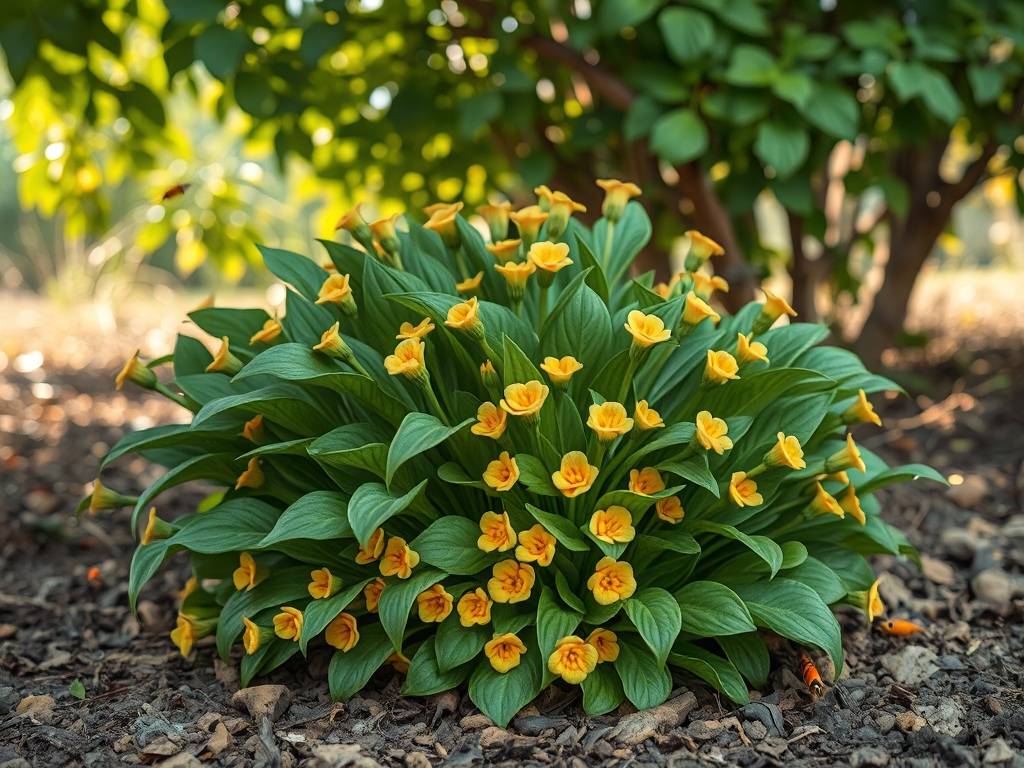
Watering requires a balanced approach. Goldfish plants prefer to dry out slightly between waterings, showing remarkable drought tolerance once established. The finger test remains the most reliable method - insert your finger about two inches into the soil. If it feels dry, it's time to water thoroughly until water drains from the bottom.
During active growth periods in spring and summer, you might water weekly, while in winter, this could extend to every two to three weeks. Use room temperature water to avoid shocking the delicate root system. Proper drainage is non-negotiable - these plants absolutely despise sitting in waterlogged soil.
The right soil mixture makes all the difference. A well-draining potting mix formulated for epiphytic plants works wonderfully. You can create your own blend using equal parts peat moss, perlite, and orchid bark. This combination provides the perfect balance of moisture retention and drainage while mimicking their natural growing conditions.
Repotting is typically needed every two years or when roots begin circling the pot's bottom. Choose a container only slightly larger than the current one, as goldfish plants actually bloom better when slightly root-bound. Spring is the ideal time for this task, giving the plant the entire growing season to establish in its new home.
Feeding your goldfish plant properly encourages continuous blooming. Use a balanced, water-soluble fertilizer diluted to half strength every two weeks during the growing season. Many experts now recommend switching to a bloom-boosting fertilizer higher in phosphorus once you spot the first flower buds forming.
In winter, reduce feeding to once monthly or stop altogether as growth naturally slows. The American Horticultural Society's 2024 indoor plant study revealed that over-fertilization causes more issues than underfeeding, so when in doubt, err on the side of less fertilizer.
Maintaining proper humidity levels can transform your goldfish plant's health. These tropical natives appreciate humidity levels between 40-50%. In dry indoor environments, especially during winter months when heating systems run constantly, consider using a humidifier or placing your plant on a pebble tray filled with water.
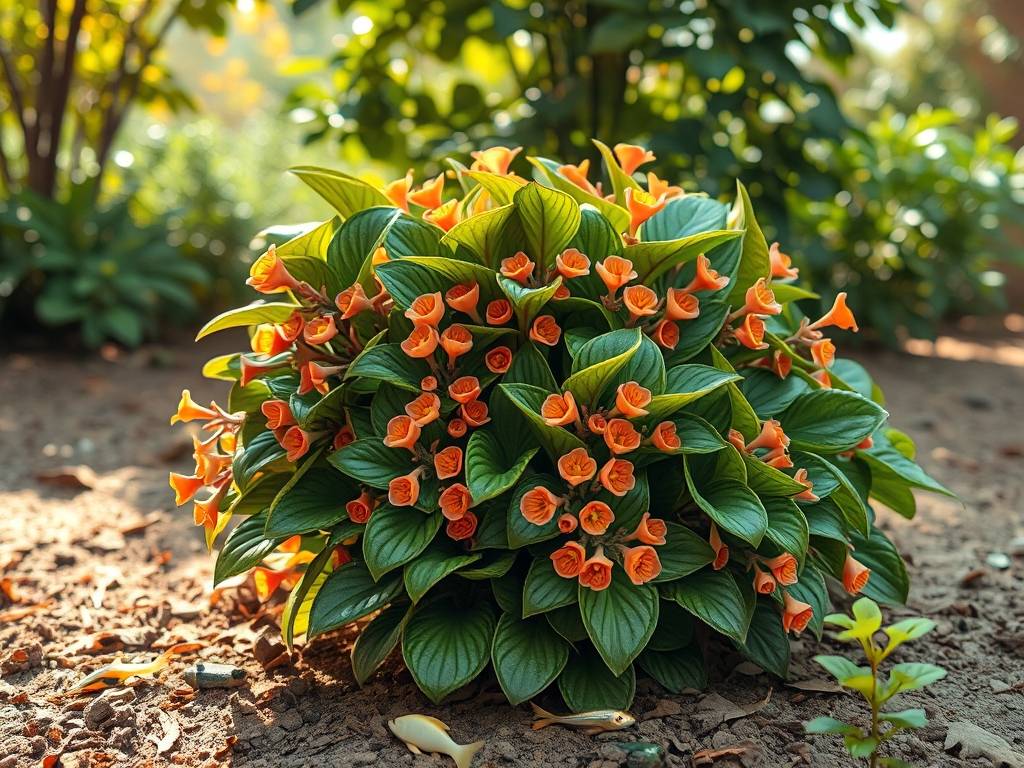
Grouping plants together creates a beneficial microclimate, and occasional misting can help too. However, avoid misting the flowers directly, as this can cause spotting or premature dropping. Bathrooms with natural light often provide the perfect humid environment for these plants.
Pruning and maintenance keep your plant looking its best. Regular pinching back of stem tips encourages bushier growth and more flowering points. After each flowering cycle, trim back the stems by about one-third to maintain shape and promote new growth.
Always use clean, sharp scissors or pruning shears to prevent damaging the plant. The cuttings you remove can actually be propagated in water or moist potting mix, allowing you to expand your collection or share with friends.
Watch for common issues and address them promptly. Yellow leaves often indicate overwatering, while brown leaf tips typically signal low humidity. If buds drop before opening, the plant might be experiencing temperature fluctuations or inconsistent watering.
Pests like spider mites and mealybugs can occasionally appear. Regular inspection and immediate treatment with insecticidal soap or neem oil will keep these problems under control. The good news is that healthy, well-cared-for goldfish plants have strong natural resistance to most pests and diseases.
Seasonal adjustments are key to year-round success. During active growth in spring and summer, maintain consistent moisture and fertilize regularly. As daylight decreases in fall, reduce watering and feeding frequency. Winter care focuses on protecting plants from cold drafts and providing adequate humidity despite indoor heating.
With their unique appearance and relatively undemanding nature, goldfish plants make wonderful additions to any indoor garden. Their trailing habit works beautifully in hanging baskets, while their colorful blooms provide continuous visual interest. By understanding and meeting their basic needs for filtered light, appropriate watering, and proper humidity, you'll be rewarded with a spectacular display of those charming goldfish-like flowers throughout the year.