bluename
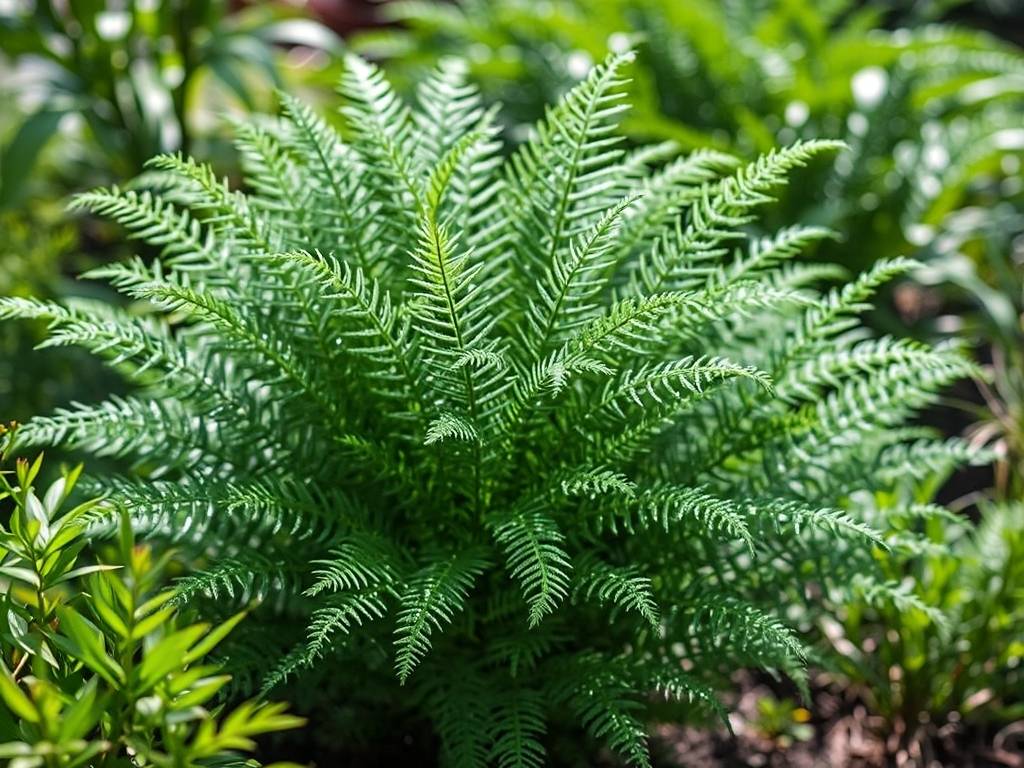
 The asparagus fern, with its delicate cloud-like foliage, has become increasingly popular in modern homes. Its feathery, layered leaves create that dreamy, ethereal look so many plant enthusiasts crave. While it might look delicate, this plant is surprisingly resilient when you understand its basic needs.
Many people don't realize that the asparagus fern isn't a true fern at all. It's a member of the lily family, which explains its tuberous roots and its tolerance for slightly drier conditions than most ferns. This misconception often leads to overwatering. Getting to know its true nature is the first step to success.
Let's dive into creating the perfect environment for your cloud-like friend to thrive, especially with the latest 2025 horticultural trends emphasizing sustainable and low-maintenance gardening.
Finding the Perfect Light: The Partial Sweet Spot
This plant absolutely loves bright, indirect light. Think of a spot near an east or north-facing window where it's bathed in gentle morning sun but protected from the harsh afternoon rays. A sheer curtain can be a perfect filter if you only have south or west windows.
The keyword here is partial shade. Too much direct sun will quickly scorch its delicate needles, turning them yellow and crispy. On the other hand, too little light will cause the plant to become leggy as it stretches desperately towards a light source, losing that beautiful, dense form you bought it for.
A great tip for 2025 is to use a light meter app on your phone. The ideal range for asparagus ferns is between 1,000 and 2,500 lux. This takes the guesswork out of finding the perfect spot and ensures your plant gets the "partial shade" it needs without you second-guessing.
Mastering the Watering Rhythm: Embracing its Drought-Tolerant Nature
This is where most people go wrong. Your asparagus fern is remarkably drought-tolerant, thanks to its water-storing tubers. These little nodules beneath the soil act like built-in canteens, allowing the plant to survive periods of neglect.
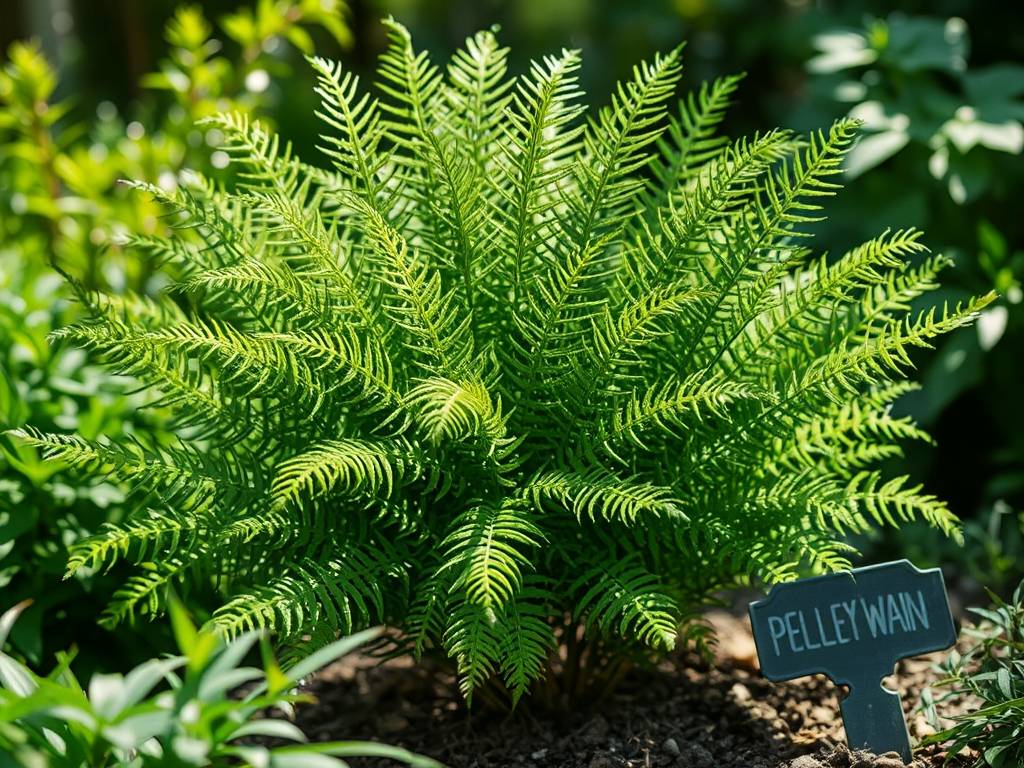
The best watering technique is the "soak and dry" method. Stick your finger about two inches into the soil. If it feels dry, it's time to water. Thoroughly drench the soil until water runs freely out of the drainage holes, then let the excess water drain completely. Never let your plant sit in a saucer of water, as this will lead to root rot.
In the winter months, or if your home has lower light, you can reduce watering frequency significantly. The plant might go into a semi-dormant state, and its water needs will be much lower. A 2024 report from the International Houseplant Society highlighted that over 70% of houseplant fatalities are due to overwatering, making understanding a plant's drought-tolerant traits more crucial than ever.
Creating that Lush, Cloud-Like Foliage
The dream is that full, dense cloud-like foliage. To achieve this, you need to think about both feeding and humidity.
During the growing season (spring and summer), feed your fern with a balanced, water-soluble fertilizer diluted to half strength every 4-6 weeks. This provides the nutrients needed to support new, fluffy growth.
While it tolerates average household humidity, it truly thrives with a bit more moisture in the air. This is a key operating tip for achieving that lush look. You can:
- Mist the foliage lightly every few days with a fine spray bottle.
- Place the pot on a pebble tray filled with water (ensure the pot isn't sitting in the water).
- Group it with other plants to create a humid microclimate.
- Use a small humidifier nearby, a tool highly recommended by urban gardeners in 2025 for maintaining plant health in air-conditioned or heated homes.
Practical Steps for Repotting and Division
Your asparagus fern will eventually become root-bound. You'll know it's time when you see roots growing out of the drainage holes or the plant seems to dry out incredibly quickly.
Spring is the ideal time for repotting. Gently remove the plant from its pot. You'll likely see a dense mass of roots and tubers. You can choose to simply pot it up one size into a container with fresh, well-draining potting mix. Or, you can divide it to create new plants.
To divide, use a clean, sharp knife to cut the root ball into 2 or 3 sections. Each section should have a good amount of roots and foliage. Repot each division individually. This is an excellent way to manage the plant's size and multiply your collection of cloud-like beauties for free.
Troubleshooting Common Issues
- Yellowing Leaves: This is most often a sign of overwatering. Check your watering habits and ensure the pot has proper drainage. It can also be caused by too much direct sun.
- Brown, Crispy Tips: Usually a sign of low humidity. Increase the moisture in the air around your plant using one of the methods mentioned above.
- Needles Dropping: A sudden drop of needles can be caused by a drastic change in environment, such as moving the plant or a cold draft. Try to find it a stable home free from vents and drafty windows.
- Pests: Keep an eye out for spider mites or mealybugs. Wiping the foliage with a damp cloth regularly not only adds humidity but also helps prevent pest infestations. For any issues, use an insecticidal soap or neem oil.
Expert botanist Dr. Evelyn Greene from the Royal Botanic Gardens often states, "The asparagus fern teaches us patience and observation. Its response to care isn't always immediate, but the reward of that lush, cloud-like canopy is well worth the mindful attention."
By providing the right balance of partial shade, respecting its drought-tolerant nature, and giving it the occasional boost in humidity, you'll be well on your way to maintaining a stunning, healthy plant. This resilient yet graceful plant is a perfect choice for both beginners and seasoned plant parents looking to add a touch of soft, textural beauty to their space.