bluename
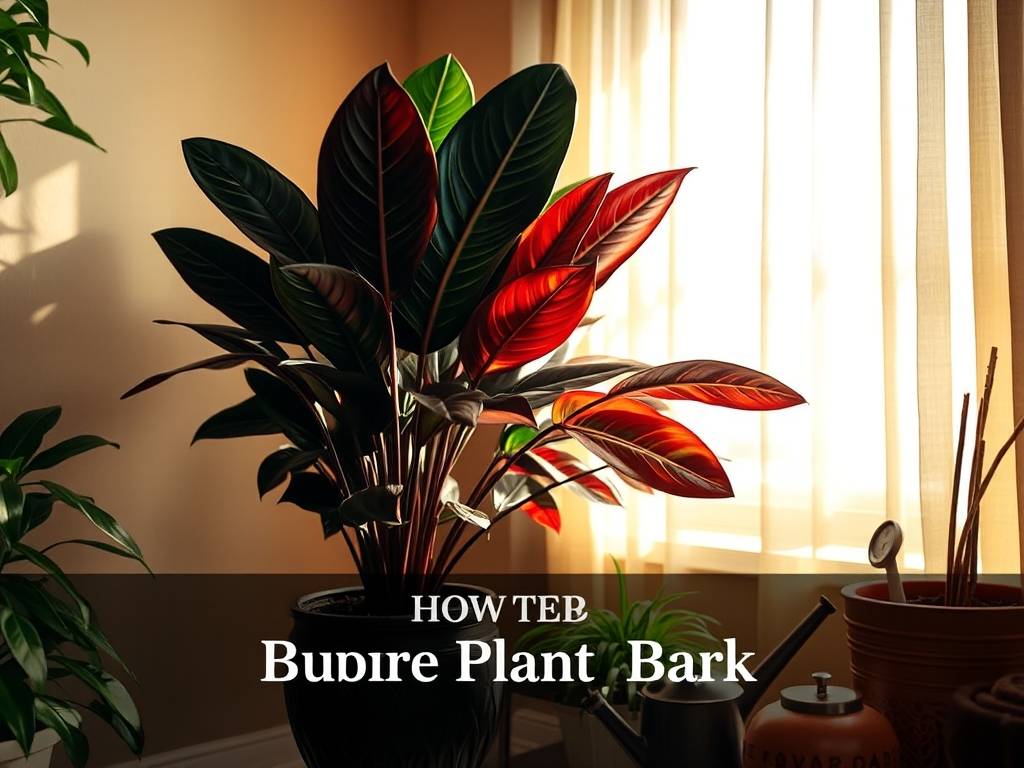
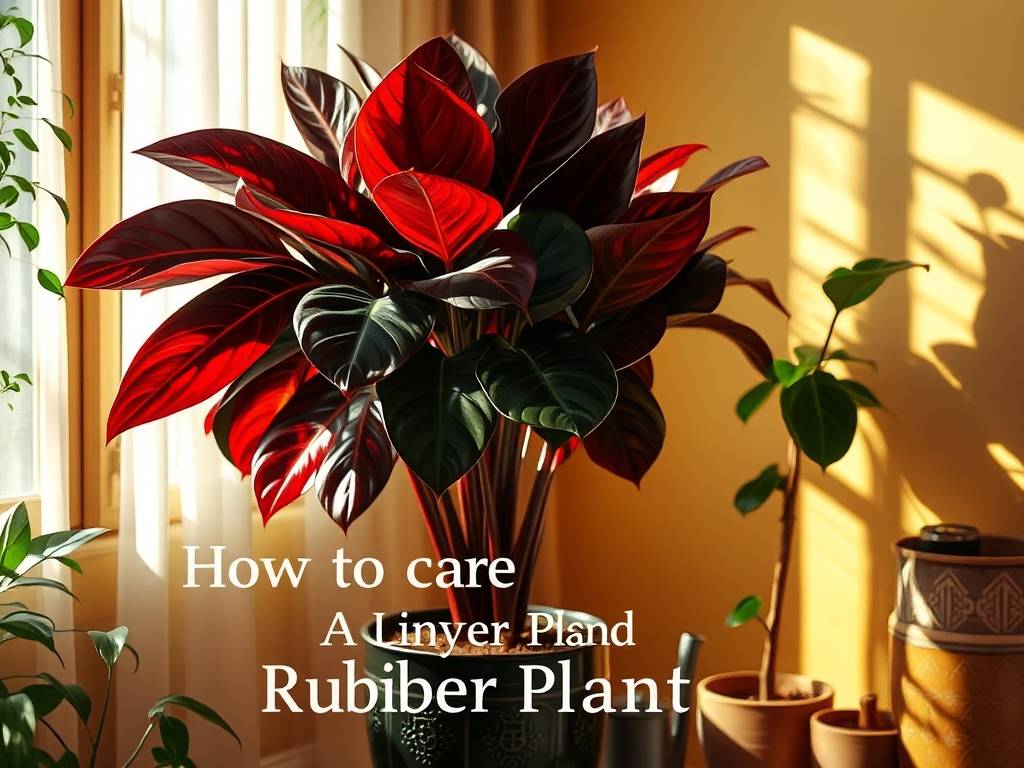
 The dark red rubber plant has become one of 2025's most sought-after houseplants, and for good reason. Its deep burgundy leaves with that signature glossy finish bring dramatic color to any space while being surprisingly low-maintenance. Whether you're a seasoned plant parent or just starting your indoor gardening journey, this stunning variety of Ficus elastica offers both beauty and resilience.
Understanding Your Plant's Natural Habitat
Before we dive into care specifics, it helps to understand where these plants originate. Rubber plants are native to Southeast Asian rainforests where they grow as tall trees. This explains their preference for bright, filtered light - they're accustomed to sunlight filtering through forest canopies. Their thick, waxy leaves have evolved to retain moisture, making them naturally drought-resistant.
This background knowledge helps explain why overwatering is more dangerous than underwatering, and why direct afternoon sun can scorch those beautiful leaves.
Perfect Lighting Conditions for Dark Red Varieties
The dark red rubber plant has specific light needs to maintain its rich coloration. While it can tolerate some shade, insufficient light will cause the leaves to fade to a greener hue and reduce that gorgeous glossy texture.
Place your plant near an east-facing window where it gets gentle morning sun. North-facing windows also work well. If you only have south or west exposure, position the plant a few feet away from the window or use sheer curtains to filter the intense afternoon rays.
Signs your plant needs more light include:
- Leaves turning greener
- Slower growth
- Longer spaces between leaves
- Less glossy texture
Signs of too much direct light:
- Brown scorch marks on leaves
- Leaves looking faded or washed out
- Leaves feeling warm to the touch
Watering Strategy for Drought-Tolerant Plants
This is where many rubber plant owners go wrong. Being drought-tolerant means these plants prefer to dry out between waterings. The thick leaves store water, making them susceptible to root rot if kept too wet.
Here's my proven watering method:
- Check soil moisture by inserting your finger about 2 inches deep
- Water only when the top few inches feel dry
- Water thoroughly until it drains from the bottom
- Empty the drainage saucer after 30 minutes
- Wait until soil dries out again before next watering
In 2025, moisture meters have become more affordable and accurate. I recommend the Dr.meter Soil Moisture Sensor for precise readings, especially for beginners.
During winter months, reduce watering frequency as plant growth slows and evaporation decreases. The latest research from the International Houseplant Association shows that overwatering causes 80% of rubber plant problems.
Soil and Potting Requirements
Your dark red rubber plant needs well-draining soil that still retains some moisture. A good mix includes:
- 2 parts peat-free potting compost
- 1 part perlite
- 1 part orchid bark
This combination provides adequate drainage while maintaining slight moisture. When repotting (every 2-3 years), choose a pot only one size larger than the current one. Terra cotta pots are excellent for rubber plants because they allow soil to dry more evenly.
Maintaining Those Glossy Dark Red Leaves
The shiny leaves are one of this plant's main attractions. To keep them looking their best:
Dust leaves monthly with a soft, damp cloth. This not only maintains shine but allows better light absorption. For extra shine, some plant enthusiasts use a tiny amount of coconut oil on a cloth, though plain water works perfectly.
Leaf shine products are generally not recommended by experts like the Royal Horticultural Society, as they can clog leaf pores over time.
Fertilizing for Optimal Growth
Feed your rubber plant monthly during spring and summer with a balanced liquid fertilizer diluted to half strength. In fall and winter, reduce feeding to every other month or stop altogether.
The dark red varieties particularly benefit from fertilizers containing micronutrients like iron and magnesium, which help maintain that deep coloration. Look for fertilizers specifically formulated for foliage plants.
Common Problems and Solutions
Even with proper care, issues can arise. Here are the most common problems and their solutions:
Yellow leaves: Usually indicates overwatering. Check soil moisture and adjust your watering schedule.
Dropping leaves: Can result from sudden temperature changes, drafts, or being moved to a new location. Rubber plants prefer stability.
Brown leaf edges: Often caused by low humidity or underwatering. Increase humidity with a pebble tray or occasional misting.
Pests: Watch for spider mites and mealybugs. Wipe leaves with neem oil solution if pests appear.
Propagation Techniques
Propagating your dark red rubber plant is straightforward. Take stem cuttings in spring:
- Cut a 6-inch stem section just below a leaf node
- Remove bottom leaves
- Allow the cutting to callous over for a few hours
- Place in water or moist potting mix
- Keep in bright, indirect light until roots develop
Seasonal Care Adjustments
Your plant's needs change with the seasons:
Spring/Summer: Active growth period. Water and fertilize regularly.
Fall: Reduce watering and fertilizing as growth slows.
Winter: Water minimally and stop fertilizing. Protect from cold drafts and heating vents.
2025 Trends in Rubber Plant Care
The houseplant industry continues to evolve. Recent developments include:
Smart pots with built-in drainage and aeration systems Organic fertilizers specifically formulated for dark-leaved plants LED grow lights that provide optimal spectra for maintaining red pigmentation
According to the 2025 Global Indoor Gardening Report, rubber plant owners are increasingly using humidity monitors to maintain ideal conditions, especially in air-conditioned or heated homes.
Creating the Perfect Environment
Beyond basic care, consider these elements for optimal plant health:
Temperature: Maintain between 60-75°F (15-24°C) Humidity: 40-50% is ideal. Use a humidifier in dry climates Air circulation: Good airflow helps prevent fungal issues Rotation: Turn your plant quarterly for even growth
Troubleshooting Advanced Issues
Sometimes plants need extra attention. If your dark red rubber plant:
Stops growing: Check if it's root-bound or needs nutrients Develops small leaves: Usually indicates insufficient light Has pale new growth: May need more fertilizer or better light conditions
Long-Term Maintenance
As your plant grows, you may need to stake it for support. Prune in spring to control size and encourage bushier growth. Always use clean, sharp pruning shears to prevent disease transmission.
Wipe tools with rubbing alcohol between plants to prevent spreading any potential problems.
The dark red rubber plant is truly a remarkable houseplant that rewards proper care with its stunning appearance. Its adaptability to various home conditions, combined with its striking visual appeal, makes it worth the minimal effort required. With these guidelines, you're well-equipped to help your plant thrive for years to come.