bluename
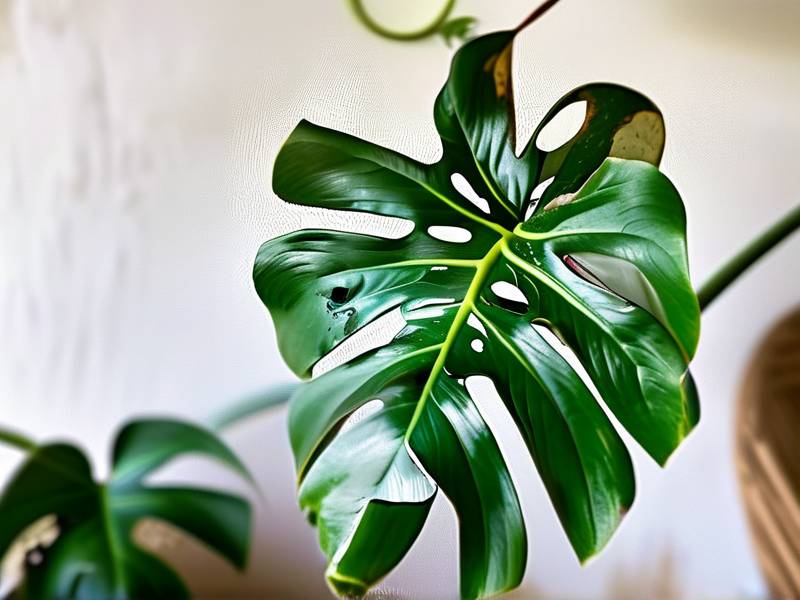
 The Monstera with white variegation, often called the Monstera Deliciosa Albo Variegata, has taken the plant world by storm. Its stunning leaves, splashed with brilliant white, make it a true living work of art. But caring for this botanical superstar can feel intimidating. Unlike its solid green cousin, the white portions lack chlorophyll, making the plant more delicate. Don't worry, though. With the right knowledge, you can help your variegated beauty thrive for years to come.
Let's start with the most critical element: light. These plants crave warm, filtered light. Think of the dappled sunlight that filters through a jungle canopy. Direct, harsh afternoon sun will scorch those beautiful white spots, leaving them with unsightly brown burns. Conversely, too little light will cause the plant to revert, producing more all-green leaves to compensate for the lack of chlorophyll.
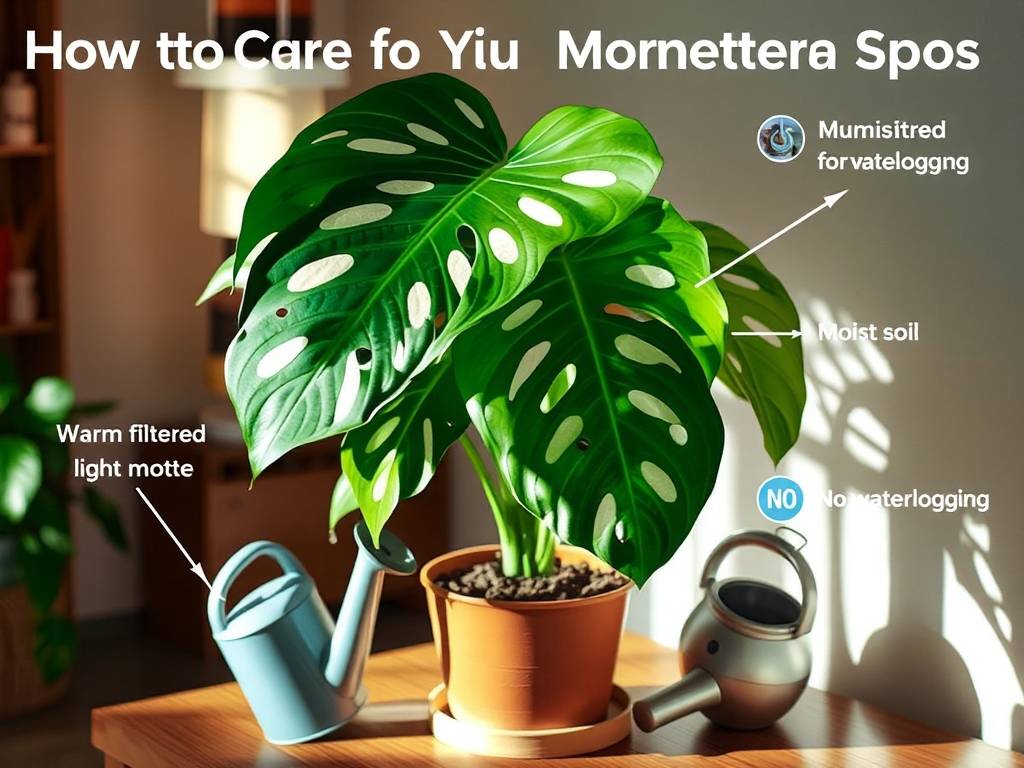
A perfect spot is near an east-facing window where it gets gentle morning sun. A south or west window can work if you use a sheer curtain to diffuse the light. As we move into 2025, the use of full-spectrum LED grow lights is becoming a standard for serious collectors. These lights provide the ideal wavelengths for photosynthesis without the risk of burning, making them an excellent tool for maintaining vibrant variegation, especially in darker homes or during winter months.
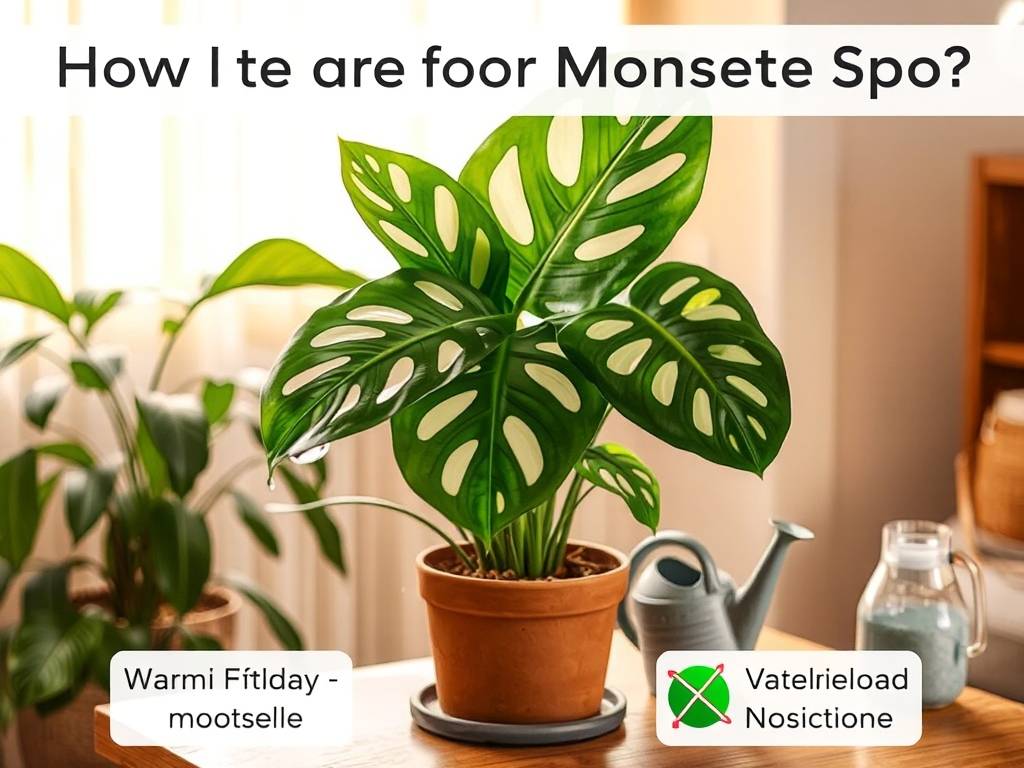
Now, let's talk about moisture. The goal is to keep the soil consistently moist but never waterlogged. This is the trickiest balance to master. The white-spotted leaves are not just for show; they indicate a plant that is more susceptible to root rot if its roots sit in water.
The best watering technique is the "soak and dry" method. Water your Monstera thoroughly until water runs freely from the drainage holes. Then, let the top few inches of soil dry out completely before watering again. Don't rely on a schedule; instead, check the soil with your finger. If the top two inches feel dry, it's time for a drink. For those who prefer a more scientific approach, a simple soil moisture meter is a fantastic, low-cost tool that takes the guesswork out of watering.
Humidity is a key partner to your watering routine. Monsteras are tropical plants that love humidity. Aim for levels above 60%. Low humidity can cause the leaf tips, especially on the delicate white sections, to turn brown and crispy. You can increase humidity by grouping plants together, using a pebble tray filled with water, or investing in a humidifier. Misting is a common suggestion, but it only provides a temporary boost and can sometimes promote fungal issues on the leaves if overdone.
The soil you choose is your first line of defense against waterlogging. A well-draining, airy potting mix is non-negotiable. A standard potting soil is too dense and will hold too much moisture. A recommended Monstera soil mix for 2025, endorsed by leading horticulturists, is a blend of:
- One part high-quality potting soil
- One part orchid bark for aeration
- One part perlite for drainage
- A handful of horticultural charcoal to keep the soil fresh
This chunky mix allows water to flow through easily while providing enough structure for the roots to anchor and breathe.
When it comes to feeding your plant, a balanced, water-soluble fertilizer diluted to half-strength is perfect. Fertilize once a month during the growing season (spring and summer). It's crucial to avoid over-fertilizing, as salt buildup can damage the roots. In the fall and winter, when growth slows, you can reduce feeding to once every two months or stop altogether. The white variegated leaves have specific nutritional needs; the green parts are working hard to sustain the whole plant, so a consistent but gentle feeding schedule is key.
You might notice your plant developing aerial roots. These are normal! In the wild, they help the plant climb trees and absorb moisture and nutrients from the air. You can tuck them back into the pot, guide them onto a moss pole (which is highly recommended for support and extra moisture), or simply trim them if they become unruly.
Common issues often stem from the core principles we've discussed. Yellowing leaves are typically a sign of overwatering. Brown, crispy edges usually point to low humidity or underwatering. If you see your plant losing its white spots and producing more green leaves, it needs more bright, indirect light. Pests like spider mites and mealybugs can be an occasional problem. Wipe the leaves regularly with a damp cloth to keep them clean and dust-free, which also helps you spot any pests early. Treat any infestations immediately with insecticidal soap or neem oil.
Propagating a Monstera Albo is a popular way to create new plants. The most reliable method is stem cuttings. Always use a clean, sharp blade. Look for a stem section that includes at least one node (the brown, ring-like bump on the stem) and one leaf. You can root the cutting in water or moist sphagnum moss. Change the water weekly if using that method. Once the roots are a few inches long, you can pot it up in your chunky soil mix. Remember, the new plant's variegation is not guaranteed to match the mother plant, but selecting a cutting with promising white markings increases your odds.
Caring for a white-spotted Monstera is a rewarding journey. It teaches patience and observation. By providing warm filtered light, mastering the art of moist but not waterlogged soil, and understanding the unique needs of those stunning white-spotted leaves, you are not just keeping a plant alive—you are cultivating a masterpiece. Pay attention to its signals, and it will reward you with breathtaking growth.