bluename
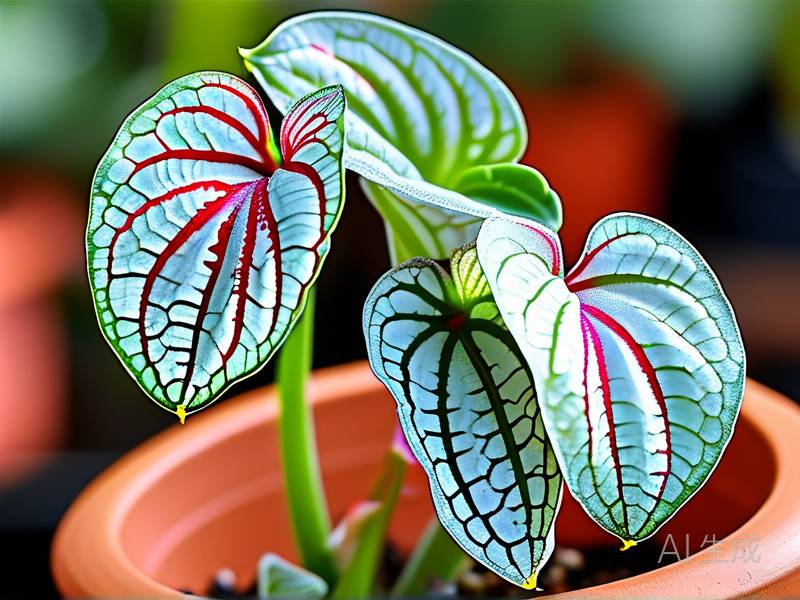
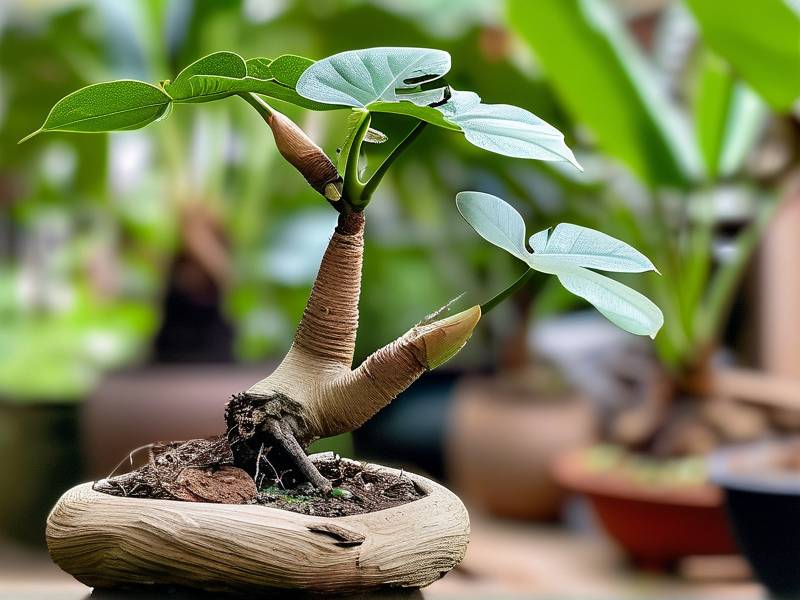
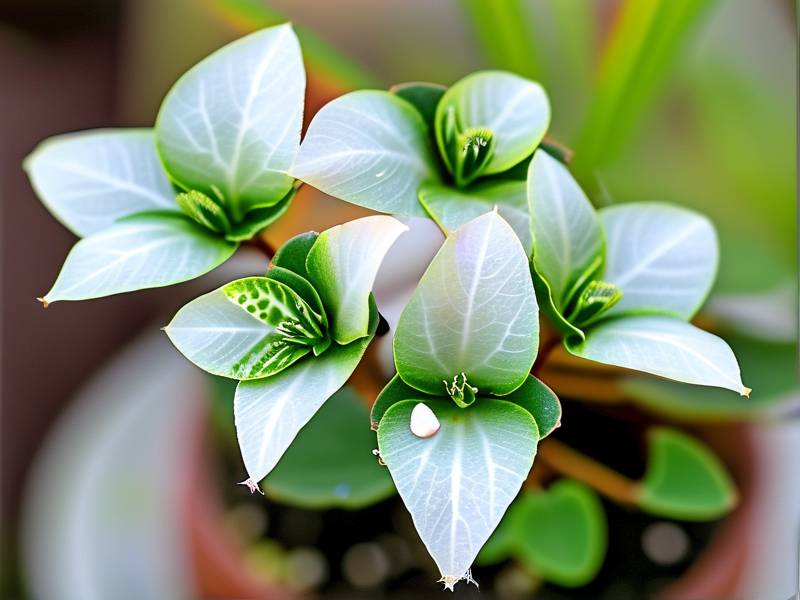
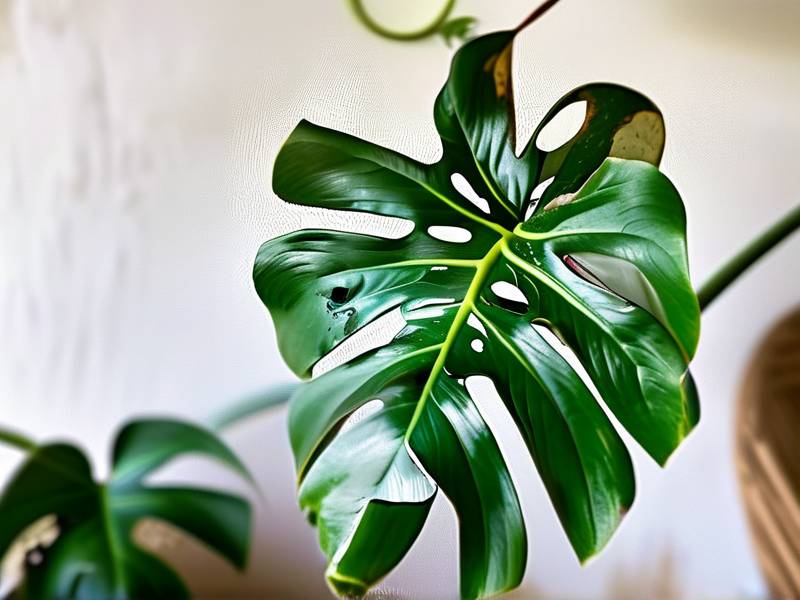
 The fiddle-leaf fig has become the darling of interior design, with its distinctive round violin-shaped leaves making a bold statement in any room. While this plant can be temperamental, understanding its core needs transforms it from a finicky diva into a thriving companion. Let's explore how to nurture this botanical beauty.
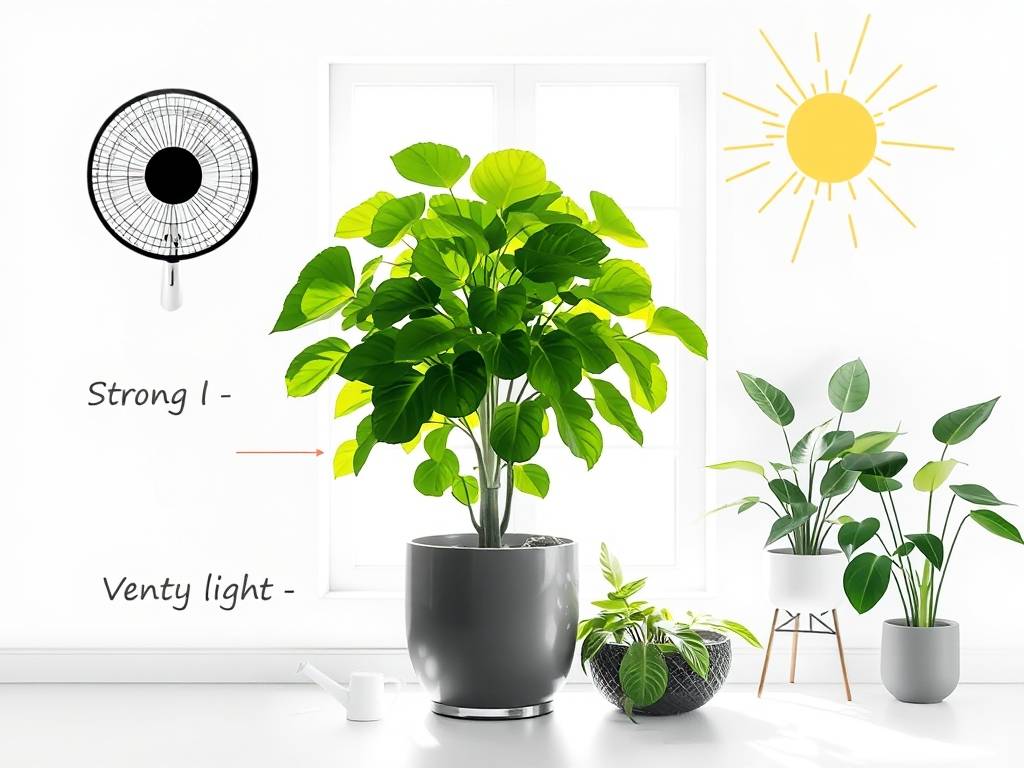
Light forms the foundation of fiddle-leaf fig care. These plants originate from West African rainforests where they receive bright, filtered sunlight. Place your plant near an east-facing window where it can bask in gentle morning rays. A south or west-facing window works too, but position it a few feet away from the glass or use a sheer curtain to prevent leaf scorch.
Notice your plant leaning toward the light? Give the pot a quarter turn weekly to encourage even growth. This simple rotation technique prevents lopsided development and ensures all those magnificent round leaves receive their fair share of sunlight.
Watering requires a delicate balance. The top two inches of soil should feel dry before you water. When you do water, do so thoroughly until water drains from the bottom. Empty the drainage tray promptly to prevent root rot. Consider using filtered water at room temperature, as fiddle-leaf figs can be sensitive to chemicals in tap water.
Proper drainage is non-negotiable. Choose a pot with multiple drainage holes and use a well-aerated potting mix. Many plant enthusiasts are now mixing their own soil using equal parts potting soil, perlite, and orchid bark for optimal drainage and root health.
Humidity plays a crucial role in maintaining those glossy round leaves. These tropical plants thrive in 40-50% humidity. If your home runs dry, especially during winter months, consider using a humidifier nearby. Grouping plants together creates a beneficial microclimate, or you can place your plant on a pebble tray filled with water.
Regular leaf cleaning is essential. Dust accumulation blocks sunlight and reduces photosynthesis. Gently wipe both sides of the leaves with a soft, damp cloth every few weeks. This not only keeps your plant healthy but also showcases the beautiful round violin-shaped leaf pattern.
Feeding your fiddle-leaf fig supports vigorous growth. During the growing season (spring through summer), apply a balanced liquid fertilizer monthly. Reduce feeding during fall and winter when growth naturally slows. Recent studies from the International Houseplant Association show that fiddle-leaf figs respond particularly well to fertilizers containing micronutrients like manganese and zinc.
Pruning helps maintain an attractive shape. Remove any damaged or yellowing leaves at their base using clean, sharp pruning shears. To encourage branching, make a small notch in the stem just above a leaf node. This technique, known as notching, stimulates new growth points.
Repotting becomes necessary every 1-2 years or when roots outgrow their container. Choose a pot only 2-3 inches larger than the current one. The best time for repotting is early spring, just before the active growing season begins. Gently loosen the root ball and place it in fresh potting mix at the same depth it was previously growing.
Pest prevention is easier than treatment. Regularly inspect your plant, especially underneath leaves, for common pests like spider mites or mealybugs. Neem oil applications every few months provide effective, natural protection. The 2025 Urban Gardening Report indicates that preventative care reduces pest problems by up to 70%.
Temperature consistency matters greatly. Fiddle-leaf figs prefer temperatures between 65-75°F (18-24°C). Avoid placing them near heating vents, air conditioners, or drafty windows. Sudden temperature fluctuations can cause stress and leaf drop.
Proper air circulation prevents many common issues. While they dislike strong drafts, gentle air movement helps strengthen stems and discourages pests. A small oscillating fan set on low, positioned several feet away, provides ideal ventilation without creating damaging drafts.
Recognizing trouble signs early makes all the difference. Brown leaf tips often indicate underwatering or low humidity. Yellowing leaves may signal overwatering. Drooping leaves typically need water, while leaf drop often relates to environmental changes or insufficient light.
Propagation allows you to share your plant's beauty. Take stem cuttings with 2-3 leaves during the active growing season. Place them in water until roots develop, then transfer to soil. Keep the soil consistently moist for the first few weeks as the new plant establishes itself.
Seasonal adjustments keep your plant thriving year-round. Reduce watering frequency during winter when growth slows. Rotate your plant more frequently to compensate for lower light levels. Hold off on fertilizing until spring arrives with increased daylight.
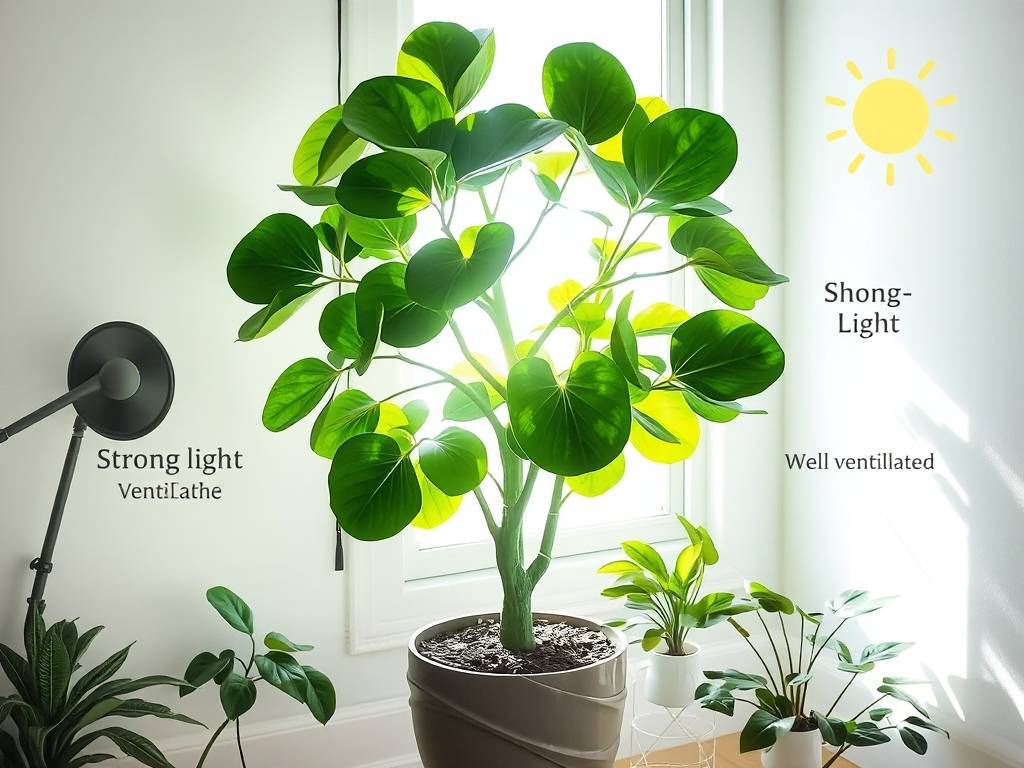
Choosing the right location involves considering all factors together. The perfect spot offers bright, indirect light, consistent temperatures, and good air circulation. Many plant experts recommend the "three-foot rule" - place your fiddle-leaf fig at least three feet from any windows or vents that might create extreme conditions.
Professional growers have developed new cultivars that adapt better to indoor conditions. The 2025 introduction of the 'Robusta Round' variety shows particular promise for its compact growth habit and enhanced resistance to common leaf issues. These developments make fiddle-leaf figs more accessible to novice plant parents.
Long-term care creates a truly spectacular plant. With consistent attention to its needs, your fiddle-leaf fig can grow into an impressive floor specimen. Those large, round leaves will become the centerpiece of your space, rewarding your dedicated care with years of beautiful growth.
Remember that plants are living beings that respond to their environment. Observe your fiddle-leaf fig regularly, noting how it reacts to seasonal changes and your care routine. This ongoing dialogue between plant and caretaker forms the heart of successful plant parenting.