bluename
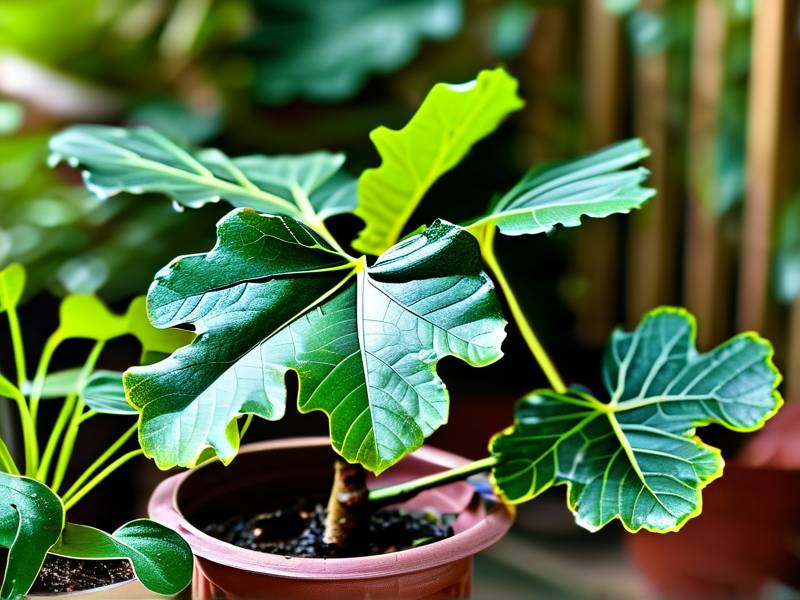
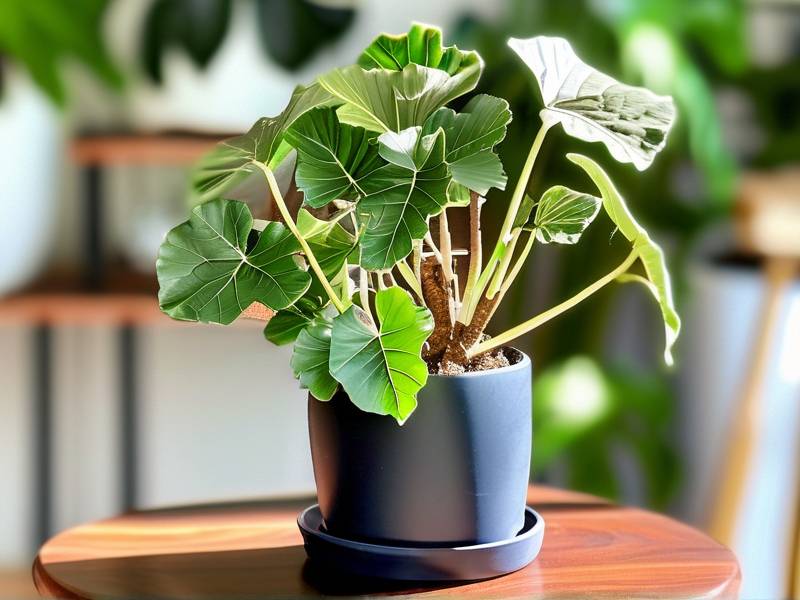
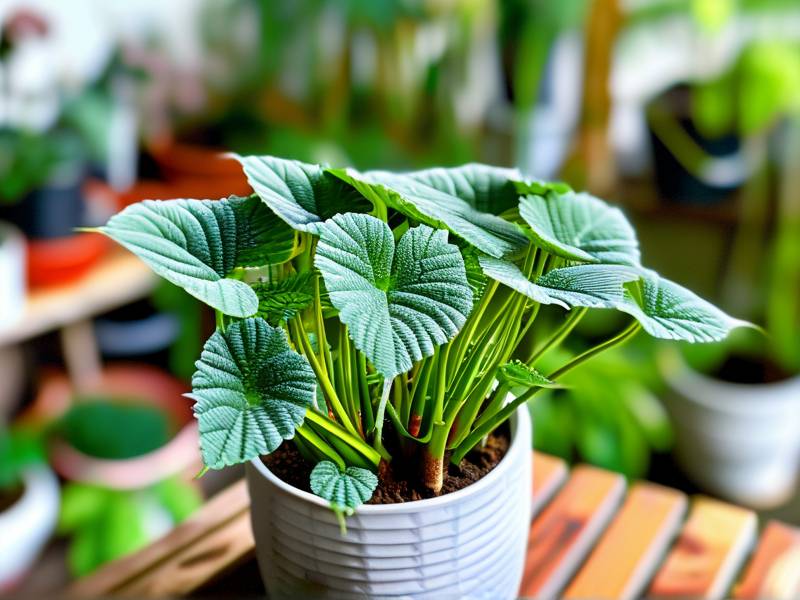
 As we step into 2025, plant enthusiasts continue embracing the tropical elegance of Philodendron Selloum, now increasingly recognized by its updated botanical name Thaumatophyllum bipinnatifidum. This deeply lobed beauty remains a favorite for its dramatic foliage and relatively forgiving nature, though proper care requires understanding its specific preferences.
Understanding Your Plant's Origins
Native to South America's tropical regions, this plant naturally grows in warm, humid environments with dappled sunlight filtering through forest canopies. These origins explain its preference for conditions that mimic this natural habitat. Modern horticultural studies from the Royal Horticultural Society's 2024 foliage report confirm that understanding a plant's native environment significantly improves long-term care success.
Light Requirements: The Sweet Spot
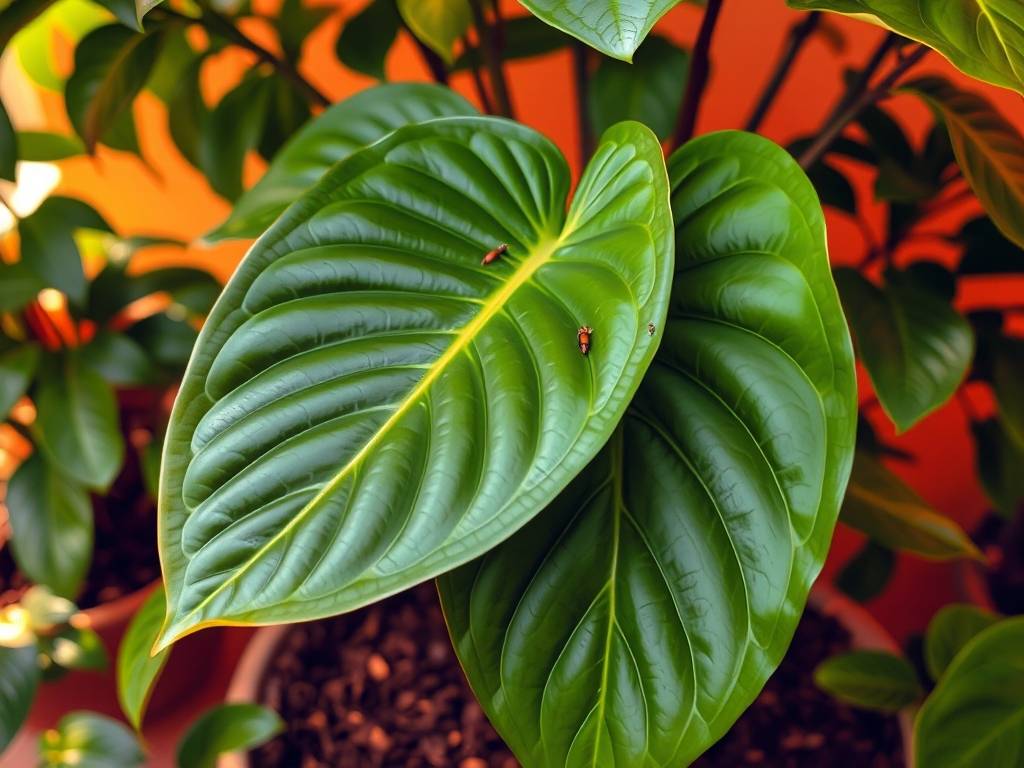
Philodendron Selloum thrives in what gardeners call "bright shade" or filtered sunlight. Imagine sunlight passing through a sheer curtain - that's the ideal intensity.
East-facing windows provide perfect morning light without harsh afternoon intensity. If you only have south or west exposure, position the plant several feet away from the window or use translucent curtains to diffuse direct rays.
Signs of too much light include yellowing leaves or brown, crispy patches on the leaf edges. Conversely, insufficient light causes leggy growth with unusually small leaves and increased distance between leaf nodes.
For indoor spaces with limited natural light, consider full-spectrum LED grow lights. The 2025 Urban Gardening Survey showed that modern LED options can effectively supplement natural light without excessive energy consumption.
Watering Practices for Healthy Roots
The goal is consistently moist soil without waterlogging. Before watering, check soil moisture by inserting your finger about two inches deep. If it feels dry, it's time to water thoroughly until water drains from the bottom.
During active growth periods in spring and summer, you might water weekly. In winter, reduce frequency to every 10-14 days as growth slows. Always empty drainage saucers within 30 minutes to prevent root rot.
Consider using a soil moisture meter for more precise measurements, especially if you're new to plant care. These inexpensive tools take the guesswork out of watering and help prevent both overwatering and underwatering.
Soil and Potting Essentials
A well-draining potting mix is crucial. Create your own blend using:
- 2 parts high-quality potting soil
- 1 part perlite
- 1 part orchid bark or coco coir
This combination ensures adequate moisture retention while allowing excess water to drain away from roots. The orchid bark creates air pockets that mimic the plant's natural growing conditions.
Repot every 2-3 years in spring, or when roots begin circling the pot's bottom. Choose a container only 1-2 inches larger than the previous one - excessively large pots hold too much moisture.
Humidity Preferences
As a tropical plant, Philodendron Selloum appreciates humidity levels around 40-60%. In dry indoor environments, especially during winter heating months, consider these solutions:
Group plants together to create a microclimate with higher humidity. Use a pebble tray filled with water placed beneath the plant pot. Run a humidifier in the room, particularly during dry seasons. Occasionally misting can help, though it provides only temporary relief.
Brown leaf tips often indicate insufficient humidity. If you notice this symptom, increase moisture in the air around your plant.
Feeding Your Plant
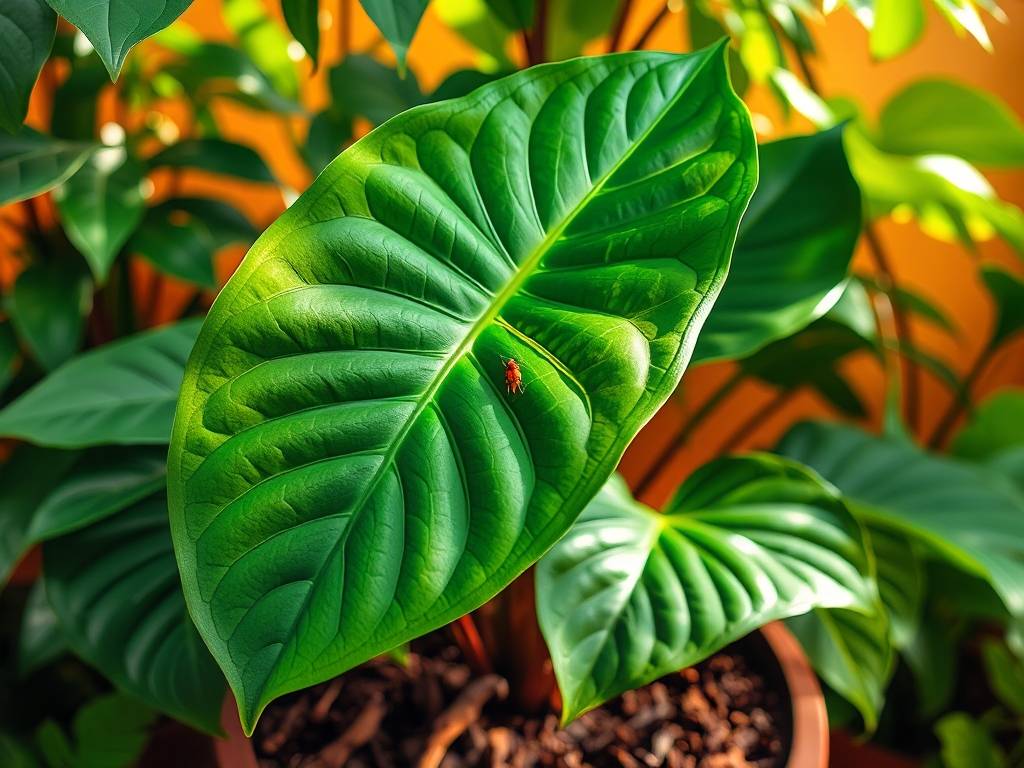
During the growing season (spring through early fall), feed monthly with a balanced liquid fertilizer diluted to half strength. Look for formulas with equal NPK ratios like 10-10-10 or 20-20-20.
In winter, reduce feeding to every 6-8 weeks or suspend altogether as growth naturally slows. Always water thoroughly before applying fertilizer to prevent root burn.
Recent studies from the International Houseplant Association show that slow-release fertilizers can provide consistent nutrition with less risk of over-fermentation, making them an excellent option for busy plant parents.
Pruning and Maintenance
Regularly remove yellowing or damaged leaves at the base of their stems using clean, sharp pruning shears. This directs energy to healthy growth and maintains appearance.
Wipe dust from the large, deeply lobed leaves monthly using a damp cloth. This not only keeps the plant looking its best but also allows maximum light absorption for photosynthesis.
For mature plants that have become too large, you can carefully remove outer stems at soil level to control size. Always sterilize cutting tools with rubbing alcohol before use to prevent disease transmission.
Troubleshooting Common Issues
Yellow leaves often indicate overwatering, while brown leaf tips typically signal low humidity or underwatering. If leaves appear pale or washed out, the plant might be receiving too much direct sunlight.
Pests like spider mites or mealybugs occasionally appear. Treat early infestations by wiping leaves with neem oil solution or insecticidal soap. Regular inspection during watering helps catch problems before they escalate.
Root rot presents with rapidly yellowing leaves and a foul odor from soil. If detected, immediately remove the plant from its pot, trim away mushy roots, and repot in fresh, dry soil.
Propagation Techniques
Spring is the ideal time for propagation. The most reliable method involves division during repotting. Gently separate rooted sections, ensuring each division has both roots and stems. Plant divisions in appropriate-sized containers with fresh potting mix.
Air layering represents another effective technique where you encourage roots to form on a stem while still attached to the parent plant. While slightly more advanced, this method has high success rates for establishing new plants.
Seasonal Adjustments
As seasons change, so do your plant's needs. During bright summer months, you might need to move your Philodendron further from windows or provide additional shading. In winter, when light levels drop, consider relocating it to brighter areas or supplementing with grow lights.
Reduce watering frequency during cooler months when evaporation slows and plant metabolism decreases. Similarly, scale back fertilizing as growth naturally slows during this period.
Long-Term Growth and Support
As your Philodendron Selloum matures, it may develop a trunk-like stem and require support. Use a moss pole or sturdy stake to maintain upright growth and prevent toppling.
These plants can eventually reach impressive sizes indoors - up to 5-6 feet tall and wide with proper care. Ensure you have adequate space for their mature dimensions when selecting a permanent location.
Remember that occasional leaf drop, particularly of older leaves, is normal as the plant directs energy to new growth. As long as overall plant health remains good and new leaves continue emerging, this natural process shouldn't cause concern.
With consistent care matching its natural preferences, your deeply lobed Philodendron Selloum will reward you with years of lush, tropical beauty that makes a striking statement in any indoor space. The key lies in observing your plant's responses and making small adjustments to create its ideal environment.