bluename
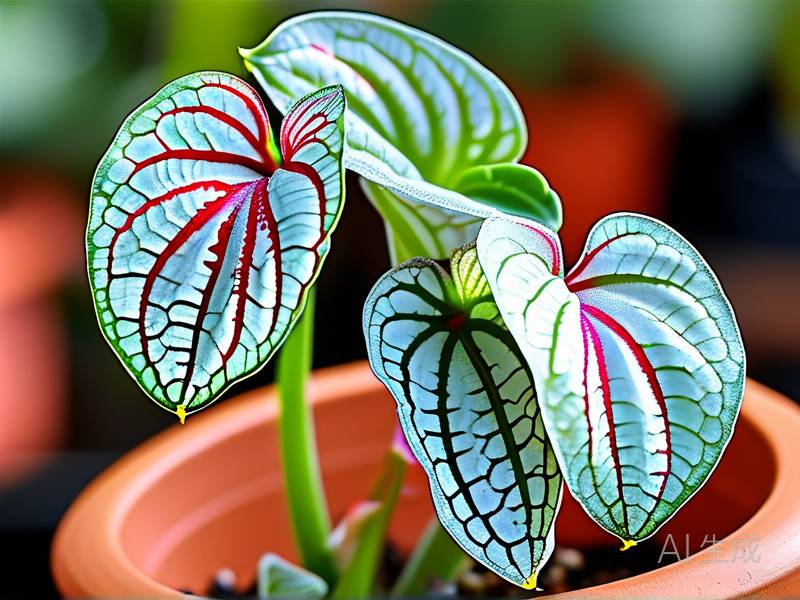
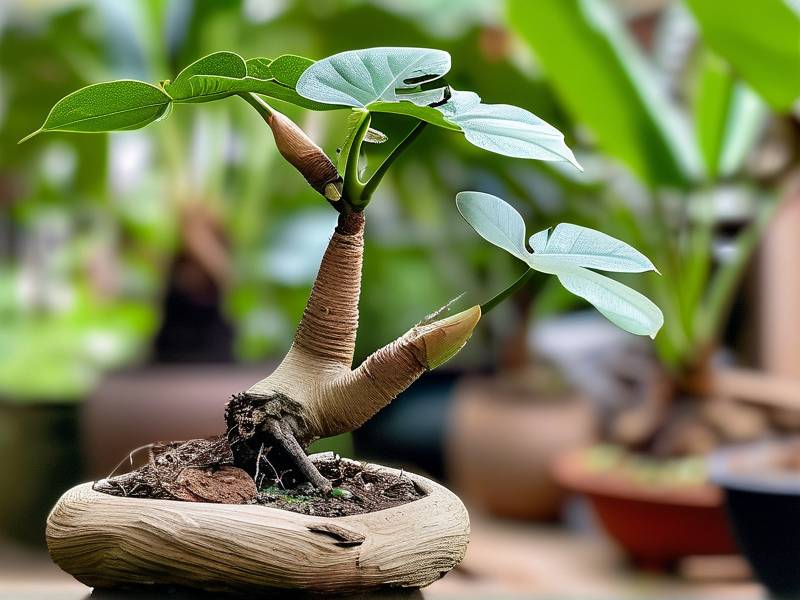
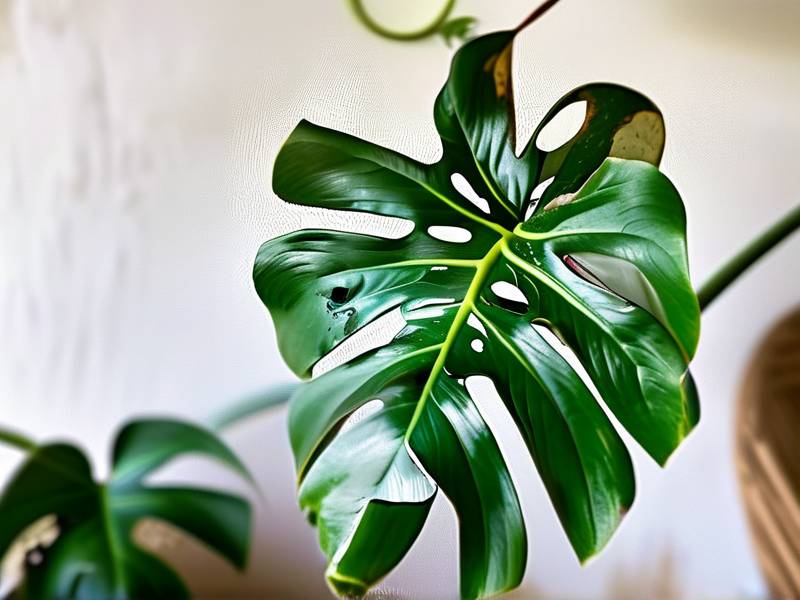
 With their striking arrow-shaped leaves and architectural presence, Alocasia plants have become the darlings of the houseplant world. Often called Elephant Ears or Kris Plants, these tropical beauties bring a slice of the jungle into your home. As we move into 2025, the trend for "biophilic design" continues to grow, and Alocasias are at the forefront, perfect for creating those lush, green interiors we all crave.
Caring for an Alocasia might seem intimidating at first, but once you understand its simple needs, you'll find it's a rewarding companion. This guide will walk you through everything, from finding the perfect spot in your home to troubleshooting common issues, ensuring your pointed-leaf friend thrives for years to come.
Understanding Your Alocasia's Origins
To care for your Alocasia properly, it helps to know where it comes from. These plants are native to the tropical rainforests of Southeast Asia and Eastern Australia. They thrive on the forest floor, where they receive dappled sunlight, high humidity, and consistent warmth. Recreating this environment is the key to success.
In 2025, leading horticulturists like those at the Royal Horticultural Society emphasize the importance of "mimicking native microclimates" for houseplant health. Your goal isn't to replicate a rainforest perfectly, but to provide the core elements your Alocasia needs to perform its best.
Finding the Perfect Light
Light is the engine of your plant's growth. Alocasias love bright, indirect light. Imagine sunlight filtering through the canopy of tall trees—that's the ideal condition.
Place your plant near an east or north-facing window where it will get gentle morning light or consistent ambient light throughout the day. A south or west-facing window can work too, but you'll need to pull the plant back a few feet or use a sheer curtain to diffuse the strong afternoon rays, which can scorch those beautiful leaves.
A common sign of too much direct sun is yellowing or brown, crispy patches on the leaves. Conversely, if your Alocasia isn't getting enough light, you'll notice it becoming "leggy," with stretched-out stems and smaller, paler new leaves. Don't be afraid to rotate your plant every few weeks to ensure even growth on all sides.
The Art of Watering: Consistency is Key
Watering is where many new Alocasia owners stumble. The goal is to maintain evenly moist soil, but never soggy. Think of a well-wrung-out sponge.
A great technique is the finger test. Insert your finger about two inches into the soil. If it feels dry, it's time to water. Water thoroughly until it runs out of the drainage holes, then empty the saucer underneath after about 15 minutes to prevent root rot.
During the active growing season (spring and summer), you might need to water once a week. In the winter, when growth slows, you can reduce watering frequency significantly, allowing the topsoil to dry out a bit more between waterings. Using lukewarm water is also a good practice, as cold water can shock the sensitive roots.
Creating a Humid Haven
Humidity is non-negotiable for a thriving Alocasia. Their large, pointed leaves lose moisture quickly in dry indoor air. Brown leaf tips are the most common cry for help, indicating the air is too dry.
Here are some effective ways to increase humidity around your plant in 2025:
- Grouping Plants: Create a mini ecosystem by placing your plants close together. They naturally release moisture through transpiration, boosting the humidity for the whole group.
- Pebble Tray: Place a tray filled with water and pebbles underneath your plant's pot. As the water evaporates, it creates a humid microclimate. Ensure the pot is resting on the pebbles, not in the water.
- Humidifier: This is the most effective and low-effort solution. A small humidifier placed nearby will work wonders, especially during dry winter months.
- Regular Misting: A quick fix, but not a long-term solution. Misting provides a temporary boost, but its effects fade quickly.
Feeding for Lush Foliage
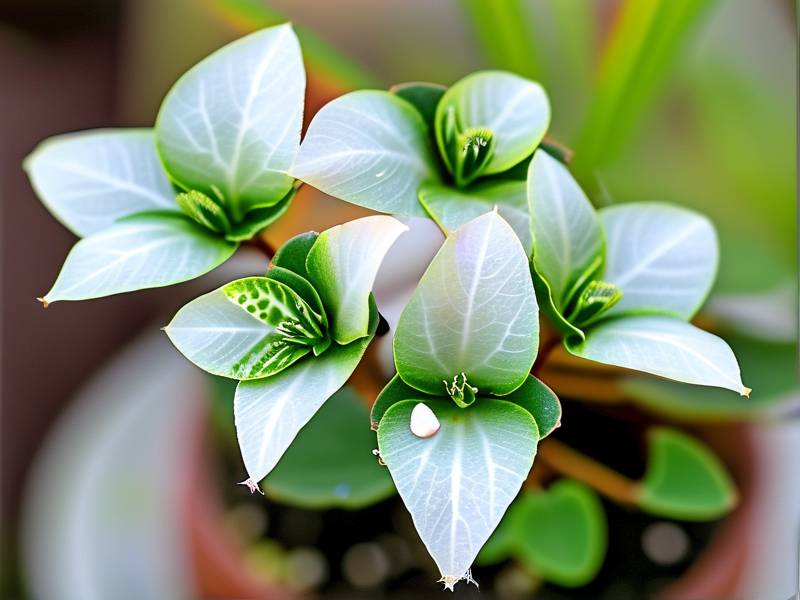
To support the growth of those magnificent pointed green leaves, your Alocasia needs regular feeding. Use a balanced, water-soluble fertilizer diluted to half-strength.
Feed your plant every two to four weeks during the spring and summer. In the fall and winter, when growth is dormant, you should stop fertilizing altogether. Over-fertilizing can lead to a buildup of salts in the soil, which can damage the roots and cause brown leaf edges.
A 2024 study from the International Houseplant Association highlighted that "controlled-release fertilizers are gaining popularity for their ease of use and reduced risk of nutrient burn," making them an excellent option for the busy plant parent.
Soil and Repotting Essentials
Alocasias need a well-draining potting mix that still retains some moisture. A standard potting mix amended with perlite and orchid bark is perfect. This combination ensures good aeration and drainage, preventing the roots from sitting in water.
You'll know it's time to repot when you see roots growing out of the drainage holes or the plant becomes top-heavy. The best time to repot is in the spring, at the start of the growing season. Choose a new pot that is only 1-2 inches larger in diameter than the old one; too much space can hold excess water.
Gently loosen the root ball when transferring and place it at the same depth it was in the previous pot. Water it thoroughly after repotting to help it settle in.
Understanding Spathe Flowers and Dormancy
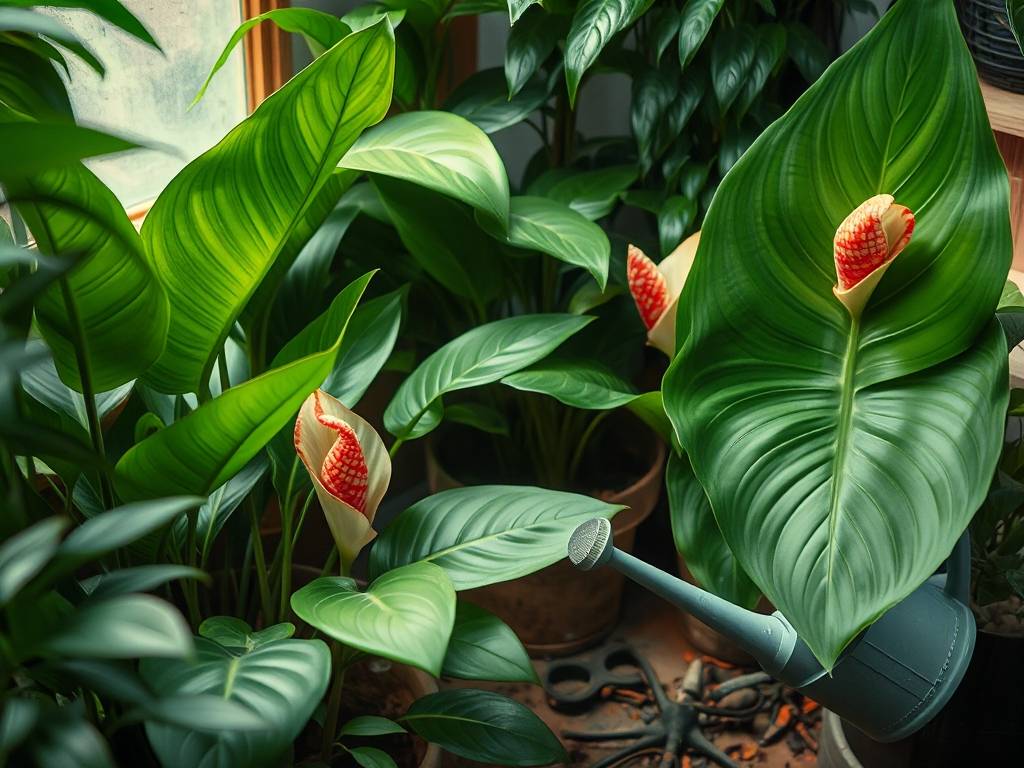
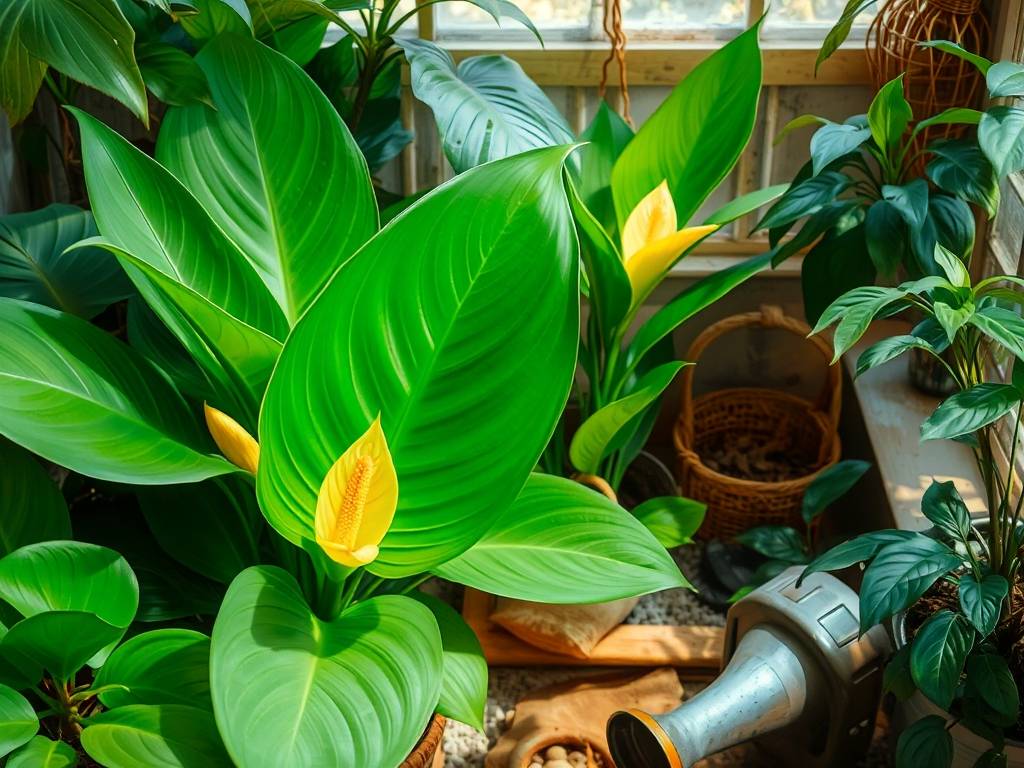
It's a special treat when an Alocasia decides to flower indoors. The bloom, called a spathe, is similar to that of a peace lily—a hood-like structure surrounding a spike (spadix). While interesting, these flowers are not particularly showy and can divert energy from leaf production.
Many plant enthusiasts choose to cut the flower off at the base to encourage the plant to focus its energy on growing more of its stunning foliage.
Also, don't be alarmed if your Alocasia goes dormant in the winter, especially if the light levels and temperatures drop. It may yellow and drop a few leaves. This is normal. Simply reduce watering and stop fertilizing. It will bounce back with fresh growth when the conditions improve in the spring.
Troubleshooting Common Problems
- Yellowing Leaves: This can be caused by overwatering, underwatering, or natural aging. Check your soil moisture to diagnose the issue.
- Brown Leaf Tips/Edges: This is almost always a sign of low humidity. Increase the moisture in the air around your plant.
- Pests: Keep an eye out for spider mites, mealybugs, and aphids. Wipe the leaves regularly with a damp cloth to deter pests. If an infestation occurs, treat the plant with insecticidal soap or neem oil.
- Drooping Leaves: This can be a sign of either overwatering or underwatering. Again, the finger test is your best friend here.
By following these steps, you're not just keeping a plant alive; you're cultivating a vibrant, living piece of art. Your Alocasia will reward your care with a spectacular display of pointed green leaves, making your home a greener, more serene sanctuary.