bluename
 How to Care for Pachira Aquatica - Prune to Shape for Attractive Plant Form
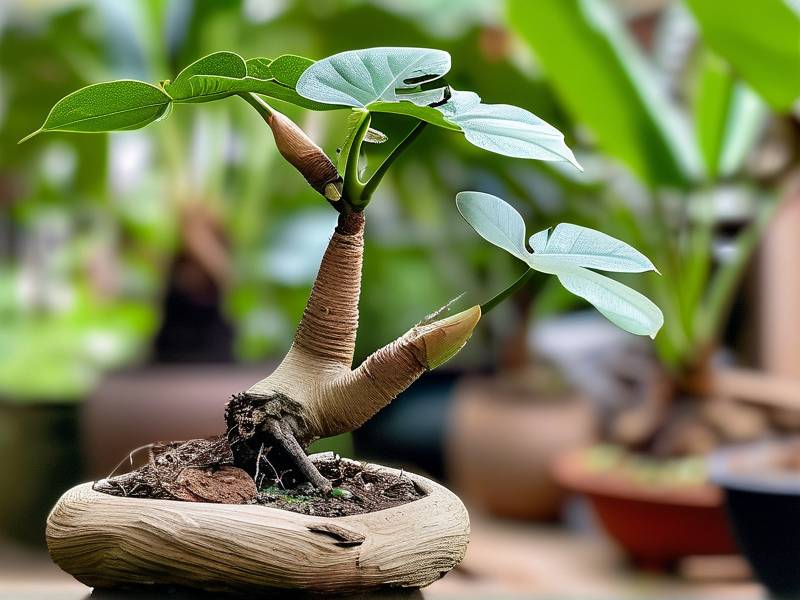
You've nurtured your Pachira Aquatica, also known as the Money Tree, and it's thriving. But now, its once-tidy braided trunk is surrounded by a wild, uneven canopy of leaves. Some branches stretch out awkwardly, while others seem sparse. You love its lush, tropical vibe, but you wish it had a more attractive, balanced shape. This common frustration stems from a simple fact: without guidance, Pachira Aquatica grows according to its own whims, not your aesthetic vision. The solution is strategic pruning. Learning how to care for Pachira Aquatica by mastering the art of pruning to shape is the key to transforming a leggy, uneven plant into a stunning, architectural focal point for your home.
Understanding the "Why" Before the "How"
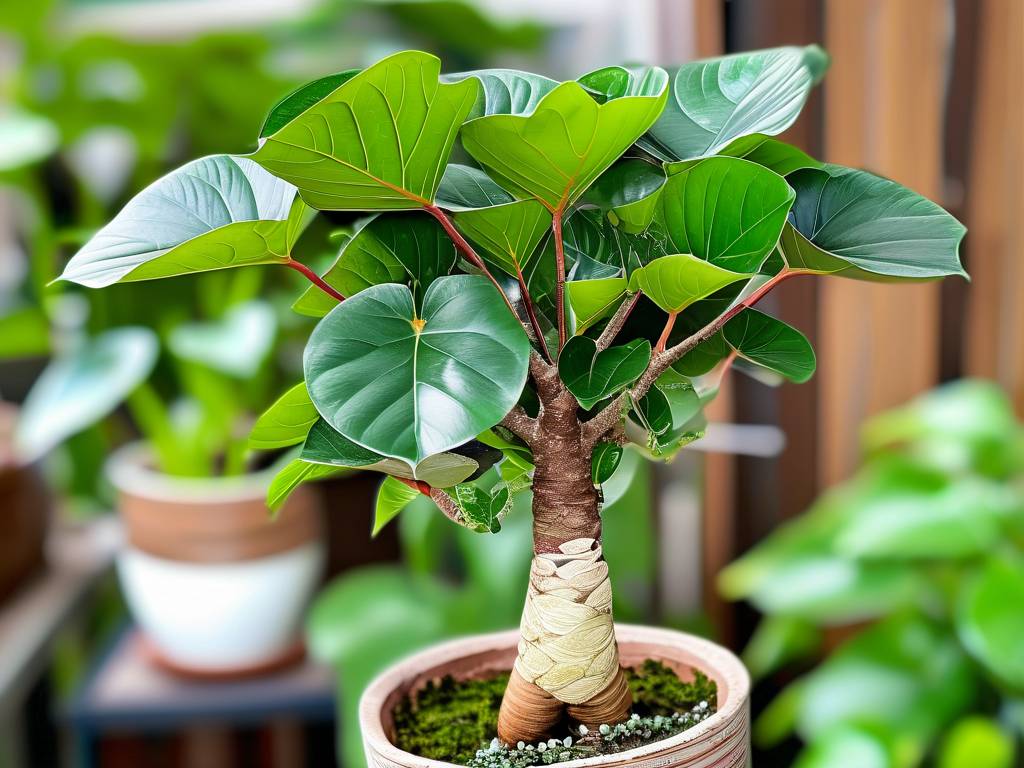
Pruning isn't just about cutting; it's a vital component of holistic Pachira Aquatica care. It goes beyond cosmetics. Strategic trimming improves the plant's health by removing dead, damaged, or diseased growth that can harbor pests or drain energy. It encourages bushier, denser foliage by prompting the growth of new shoots at the cut points. Most importantly for our goal, it gives you, the plant owner, direct control over the plant's form and size, allowing you to cultivate that attractive, full shape that makes the Money Tree so desirable. As noted by horticultural experts at the Royal Horticultural Society (RHS), regular, light pruning is often more beneficial for maintaining plant structure than infrequent, heavy-handed cuts.
Essential Tools and Timing for Success
Before you make a single cut, gather the right tools. Clean, sharp instruments are non-negotiable. You'll need precision pruning shears or sharp scissors for smaller stems and leaves. For thicker branches, use bypass hand pruners. Always wipe blades with rubbing alcohol before and after use to prevent spreading disease. The best time for major shaping is during the active growing season in spring or early summer. This timing allows the plant to recover quickly and push out new growth in response to your pruning. You can perform light maintenance pruning, like removing a yellow leaf, any time of year.
Your Step-by-Step Guide to Pruning for Shape
Follow this clear process to confidently shape your Money Tree.
Assess and Visualize Start by placing your plant at eye level and slowly rotating it. Identify the core issues: are there long, leafless stems? Is one side denser than the other? Look for branches that cross or rub against each other. Visualize the ideal form—typically a rounded, tree-like canopy above the braided trunk. This assessment phase is critical for targeted pruning.
Make Strategic Cuts for Structure Focus on the branches, not just the leaves. To encourage branching, locate a leaf node (the small bump where a leaf attaches to the stem). Make a clean, angled cut about 1/4 inch above a node. The new growth will emerge from this point. Prioritize cutting back the longest, most unruly stems to bring the canopy into balance. Remove any entire branches that are spoiling the silhouette, cutting them back to the main trunk or a primary branch.
Create Fuller Foliage After addressing the overall structure, work on density. Pinch or snip off the very tip of growing stems (the apical meristem). This simple action, called pinching, redirects the plant's energy to lower buds, encouraging them to grow and create a bushier appearance. It’s a subtle but powerful technique for achieving a lush, attractive plant form.
Final Touches and Cleanup Remove any dead or yellowing leaves from the plant and the soil surface. This improves air circulation and aesthetics. Give your newly shaped Money Tree a thorough but gentle cleaning by wiping the remaining leaves with a damp cloth to remove dust, allowing them to photosynthesize efficiently.
Post-Pruning Care for Optimal Recovery
Your care after pruning is as important as the pruning itself. Avoid fertilizing for at least 4-6 weeks to prevent stressing the roots. Water only when the top 1-2 inches of soil are dry, as the plant will temporarily use less water with reduced foliage. Place it in bright, indirect light to support robust new growth. Resist the urge to over-prune; patience is key. You can always trim more later, but you cannot reattach a cut branch.
Commonly Asked Questions
Will pruning my Money Tree hurt it? When done correctly with clean tools, pruning is beneficial, not harmful. It mimics natural processes where branches are lost in the wild. The plant responds by growing back stronger and bushier. The American Horticultural Society (AHS) emphasizes that proper pruning enhances plant vigor and longevity.
How often should I prune to maintain the shape? For maintenance, a light pruning session once or twice a year during the growing season is usually sufficient. This involves trimming back any new growth that has begun to look straggly or uneven. Constant, heavy pruning is unnecessary and can weaken the plant.
My pruned stems aren't growing new leaves. What did I do wrong? First, ensure you cut above a visible leaf node, as this is where new growth originates. Second, be patient. Growth can take several weeks to begin. Finally, review your post-prune care—adequate indirect light and proper watering are essential for triggering new shoots. If the stem was old or woody, it may be slower to respond than a younger, greener stem.
Mastering how to care for Pachira Aquatica through pruning is an empowering skill. It transforms plant maintenance from passive watering into an active, creative partnership. By understanding the principles of strategic cutting and providing attentive aftercare, you guide your Money Tree toward not just survival, but exceptional beauty. The result is a uniquely shaped, healthy plant that reflects your care and enhances your space for years to come.