bluename
 How to Care for Zamioculcas Zamiifolia - Division Propagation for Fast Pot Filling
You love the lush, architectural look of your ZZ plant, but you’re tired of staring at a sparse pot with just a few stems. You want that full, bushy, magazine-worthy appearance, but waiting for it to grow naturally feels like watching paint dry. The good news? There’s a faster way. Mastering division propagation for fast pot filling is the secret to transforming your single ZZ plant into a dense, thriving centerpiece. This method not only accelerates the process of creating a fuller pot but also rejuvenates an older plant, promoting healthier, more vigorous growth. Let's dive into how you can achieve this efficiently and successfully.
Understanding Your ZZ Plant's Structure
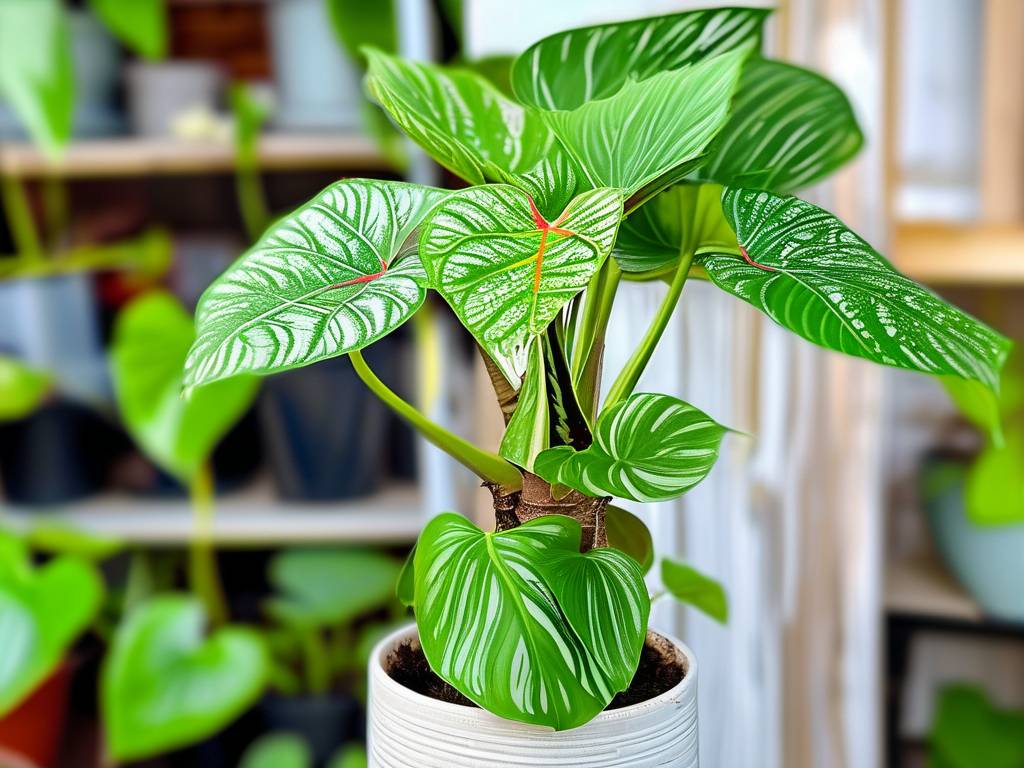
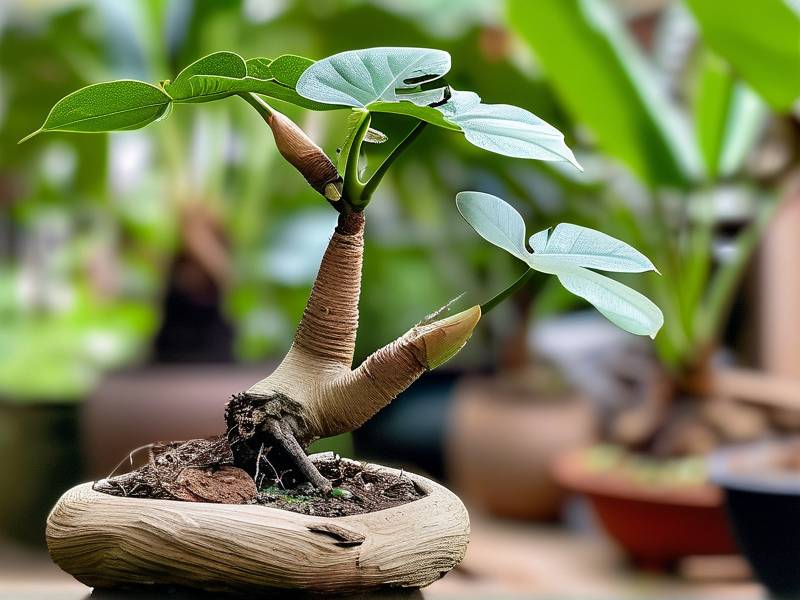
Before you start dividing, it's crucial to understand what you're working with. The Zamioculcas zamiifolia stores water and nutrients in thick, potato-like structures under the soil called rhizomes. These rhizomes are the key to the plant's drought tolerance and are also the focal point for division. Each healthy rhizome has its own root system and can support one or more stems. Recognizing this underground network is the first step toward successful propagation and achieving that coveted full pot.
Why Division is the Best Method for a Fuller Plant
While ZZ plants can be propagated from single leaves, that process is incredibly slow, often taking months to see significant new growth. Division, on the other hand, leverages the plant's existing mature root systems. By carefully separating the rhizomes, you instantly create multiple independent plants that are already established. When replanted together in one container, these divisions immediately contribute to a denser, more filled-out appearance. It’s the most effective technique for fast ZZ plant pot filling without the long wait.
Preparing for the Division Process
Gather Your Tools and Materials You'll need a clean, sharp knife or pruning shears, fresh potting mix formulated for succulents or cacti (well-draining is essential), and new pots with adequate drainage holes. Have some rubbing alcohol handy to sterilize your cutting tools before and during the process to prevent the spread of disease.
Choose the Right Time The ideal time for division is during the active growing season, typically in spring or early summer. This gives the divided plants the entire growing season to recover from the shock and establish themselves in their new environment. A plant that is root-bound—showing roots circling the bottom of the pot or pushing out of the drainage holes—is a perfect candidate.
Step-by-Step Guide to Division Propagation
Step 1: Remove the Plant from Its Pot Gently tip the pot on its side and ease the entire root ball out. You may need to tap the sides of the pot or run a knife around the interior edge to loosen it. Be careful not to pull on the stems.
Step 2: Inspect and Loosen the Root Ball Once removed, gently shake off excess soil to expose the rhizomes and root network. Look for natural divisions or "offsets"—smaller rhizomes with their own stems that are attached to the main plant. The Royal Horticultural Society (RHS) advises handling the root system with care to minimize damage, which can set back recovery.
Step 3: Divide the Rhizomes Identify sections where you can make clean separations. Each division should have at least one healthy rhizome with attached roots and one or two stems. Using your sterilized knife, cut through the connective tissue between rhizomes. If the plant is loosely connected, you might be able to gently pull or tease them apart with your hands.
Step 4: Pot Up Your Divisions Fill your new pot(s) partway with fresh, well-draining soil. Place your divisions in the pot. For a single, fuller pot, arrange multiple divisions together, leaving a little space between rhizomes for future growth. Adjust the soil level so the rhizomes are just buried beneath the surface. Backfill with soil and gently firm it in place.
Post-Division Care for Optimal Recovery
Watering Strategy This is critical. Do not water immediately after repotting. The fresh cuts on the rhizomes need time to callous over to prevent rot. Wait about a week before giving the plant a thorough watering. Thereafter, follow the ZZ plant's golden rule: water only when the soil is completely dry. Overwatering is the fastest way to kill a newly divided plant.
Light and Location Place your newly potted divisions in a location with bright, indirect light. Avoid direct sunlight, which can scorch the leaves and add stress while the plant is recovering. According to the American Horticultural Society (AHA), maintaining stable environmental conditions post-transplant reduces stress and encourages quicker root establishment.
Patience and Observation Don't expect new growth right away. The plant's energy will be focused on re-establishing its root system underground. You may see some yellowing or drooping of older leaves; this is normal. Resist the urge to over-fertilize. Wait at least 3-6 months before applying a diluted, balanced houseplant fertilizer during the growing season.
Troubleshooting Common Division Issues
Rhizome Rot After Division If you watered too soon or the soil mix retains too much moisture, rhizomes may become soft and mushy. Prevention is key. If caught early, you can cut away the rotted section with a sterilized tool, let the rhizome dry for a day, and repot in fresh, dry mix.
Shock and Wilting Some wilting is normal. Ensure the plant is not in a drafty area or in direct sun. Maintain consistent warmth. If wilting is severe, double-check that the soil is not too wet or too bone-dry, and consider tenting the plant with a clear plastic bag for a few days to increase humidity.
How often should I divide my ZZ plant to keep it full? Only divide when the plant becomes root-bound or outgrows its pot, typically every 2-3 years. Frequent, unnecessary division causes more stress than benefit. For maintaining fullness, regular rotation for even light exposure and occasional feeding are more appropriate between divisions.
Can I divide a very small or young ZZ plant? It's not recommended. Young plants have limited rhizome and root mass. Dividing them creates overly small divisions that recover very slowly and are more susceptible to failure. Wait until your plant is mature and has multiple distinct stems and a crowded root ball.
What is the biggest mistake people make when trying to fill a pot quickly? The biggest mistake is planting too many divisions too close together in a pot that is too small. While it creates instant fullness, it leads to extreme root competition for resources and moisture, potentially causing all divisions to suffer. Give the rhizomes some room to grow. A slightly larger pot with strategic grouping will yield healthier, sustained fullness over time.
Achieving a luxuriously full ZZ plant doesn't require years of patience. By understanding the plant's rhizome-based structure and employing the division method, you can effectively multiply your plant's presence in a single pot. Remember to work with clean tools, use a well-draining soil mix, and most importantly, exercise restraint with watering after the process. Providing the right post-care—indirect light, warmth, and neglectful watering—will allow your divided ZZ plant to settle in and thrive. Soon, you'll have a dense, vibrant display that showcases the resilient beauty of the Zamioculcas zamiifolia, all thanks to a simple propagation technique mastered at the right time.