 bluename
 How to Care for Fiddle Leaf Fig - Staking to Prevent Lodging
You've nurtured your Fiddle Leaf Fig from a small plant into a tall, beautiful statement piece. But now, its once-sturdy trunk seems to wobble, and its magnificent leaves are leaning precariously to one side, threatening to topple the entire plant. This common issue, known as lodging, can be disheartening for any plant parent. The good news is that with proper support and care, you can correct this problem and help your Ficus lyrata grow straight, strong, and healthy for years to come. This guide will walk you through everything you need to know about staking a Fiddle Leaf Fig to prevent lodging, turning a potential disaster into an opportunity for robust growth.
Understanding Why Your Fiddle Leaf Fig Needs Support
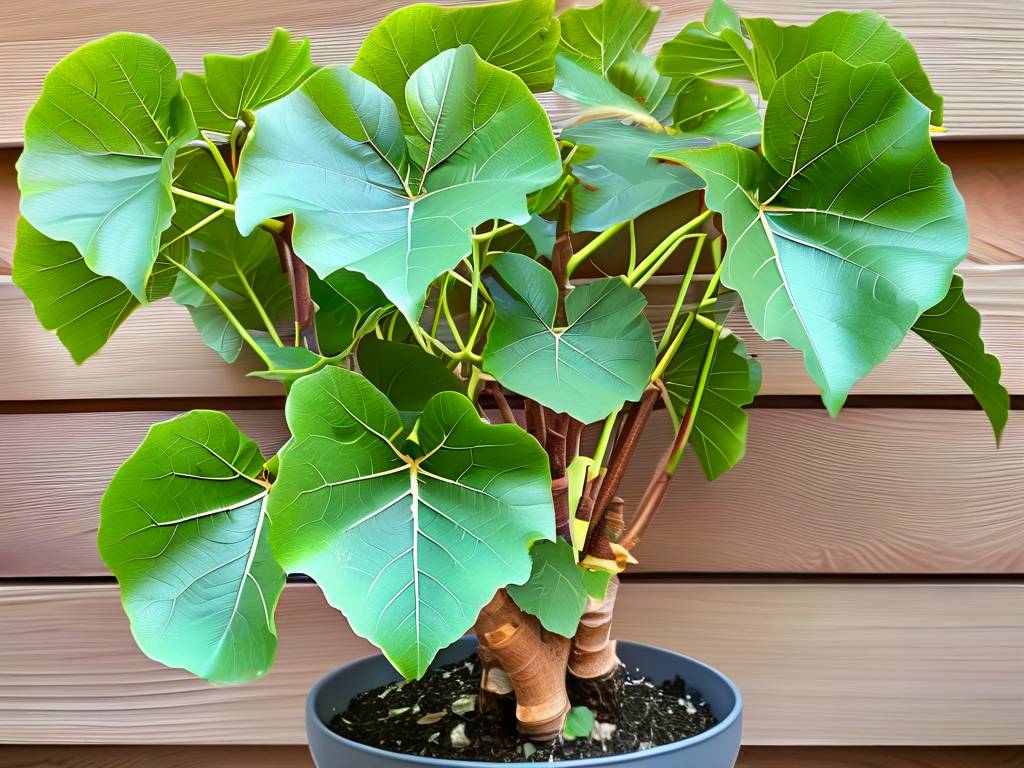
Before you reach for a stake, it's crucial to understand why your plant is leaning or bending. Lodging in Fiddle Leaf Figs isn't just an aesthetic issue; it's a sign of underlying stress that can hinder the plant's long-term health.
The primary cause is often insufficient light. Fiddle Leaf Figs are native to West African lowland rainforests, where they grow tall to reach the dappled sunlight of the canopy. When grown indoors, they will instinctively stretch and lean toward the brightest light source. If the light is too weak or only comes from one direction, the plant develops a weak, elongated stem that cannot support its own weight. According to horticultural best practices from the Royal Horticultural Society (RHS), plants exhibiting etiolation—characterized by weak, spindly growth—are directly signaling a deficit in light intensity.
Other contributing factors include rapid new growth that outpaces stem strength, inconsistent watering leading to root stress, and simply the top-heavy nature of the plant as it matures. A study referenced by the American Horticultural Society (AHA) notes that fast-growing tropical plants often require temporary structural support in cultivation to mimic the supportive understory they experience in nature.
Essential Tools and Materials for Proper Staking
Gathering the right materials is the first step to successful intervention. Using improper supports can damage the trunk and roots, creating more problems.
You will need a sturdy stake. For most indoor Fiddle Leaf Figs, a bamboo stake, a moss pole, or a wooden dowel is ideal. The stake should be roughly two-thirds the height of your plant. A moss pole offers the added benefit of providing aerial roots a surface to cling to, promoting a more natural, robust form.
Soft, flexible ties are non-negotiable. Never use wire, string, or zip ties that can cut into the expanding bark. Opt for velcro plant ties, soft garden twine, or even strips of old nylon stockings. These materials are gentle yet secure.
Finally, have a pair of clean, sharp pruning shears handy. You may need to trim a leaf or two to properly position the stake, and clean cuts prevent disease.
A Step-by-Step Guide to Staking Your Fiddle Leaf Fig
Assess the Plant and Position the Stake
First, gently water your plant if the soil is dry. A hydrated plant is more flexible and less prone to shock. Carefully examine the angle of the lean and the direction of the strongest light source. Your goal is to encourage the plant to grow away from the lean and toward an upright position.
Insert the stake into the potting mix, pushing it down until you feel resistance from the pot's bottom. Crucially, place the stake behind the lean and as close to the main trunk as possible without damaging major roots. This positioning allows you to pull the trunk gently backward into an upright stance. If the root ball is too dense, you may need to slightly angle the stake to get it deep enough for stability.
Securing the Trunk with Gentle Ties
This is the most delicate part of the process. Do not pull the trunk completely upright in one go if the bend is severe. Forcing it can crack the trunk. Instead, use a gentle, incremental approach.
Create a loose loop with your soft tie around the trunk, then attach it to the stake. The tie should be in a figure-eight pattern between the stake and the trunk to prevent chafing. Start securing the plant at its sturdiest point, often just above a leaf node. You may need 2-3 ties spaced evenly along the height where support is needed.
The tie should be snug but not tight—you should be able to slip a finger between the tie and the trunk. This allows for natural growth and circulation. As the RHS advises, plant supports should "guide, not strangle."
Post-Staking Care and Adjustment
After staking, your work isn't over. This is the beginning of a training period. Leave the support in place for at least one full growing season (spring through fall). Regularly check the ties every month and loosen them if they become too tight as the trunk thickens.
The most critical complementary action is to rotate your Fiddle Leaf Fig regularly. Turn the pot a quarter turn every week when you water. This ensures all sides of the plant receive even light, discouraging it from leaning toward one direction again. Consistent, bright indirect light is now more important than ever to strengthen new growth.
Complementary Practices to Strengthen Your Plant Long-Term
Staking provides external support, but your ultimate goal is to help the plant develop its own internal strength. Correcting Fiddle Leaf Fig leaning issues requires a holistic care approach.
Ensure your plant receives ample bright, indirect light. Consider supplementing with a grow light during darker winter months. A consistent watering routine—watering thoroughly only when the top 2-3 inches of soil are dry—promotes a healthy, supportive root system.
Occasional feeding during the growing season with a balanced, diluted liquid fertilizer provides the nutrients needed for strong cell wall development. Furthermore, gently brushing the leaves or using a fan to create mild air movement can stimulate the trunk to grow thicker and more resilient, a technique often used in commercial horticulture to produce sturdier stock.
When and How to Safely Remove the Stake
Patience is key. The stake should remain until the plant's trunk has thickened sufficiently to hold its own weight upright, even when you gently wiggle it. This typically takes 6-12 months.
To test, carefully loosen the ties and observe the plant for a day or two. If it begins to sag, re-secure it and wait longer. When it's finally time for removal, do so gradually. Remove the ties first, then the stake. The plant may wobble slightly at first as it adjusts to its newfound independence, but a truly strengthened trunk will hold firm.
My Fiddle Leaf Fig is still leaning even with a stake. What did I do wrong? The most common mistake is placing the stake on the wrong side. The stake must be inserted on the side opposite the lean to act as a pivot point for straightening. Also, ensure the stake is deep enough for solid anchorage and that you are gradually tightening the ties over weeks, not forcing the trunk upright immediately.
What type of tie is safest for my plant's trunk? Velcro plant ties or soft jute twine are excellent choices. The material must be wide, flexible, and non-abrasive. Always tie in a figure-eight pattern to keep the stake and trunk separated, preventing moisture buildup and bark damage.
Can a severely bent trunk ever fully straighten? A young, green, and flexible trunk has a high chance of straightening significantly with patient staking. An older, woody, and severely bent trunk may not become perfectly straight, but staking will prevent further bending and provide necessary support for healthy top growth. The focus shifts from perfect correction to stable support.
Successfully staking an indoor Fiddle Leaf Fig is a blend of immediate mechanical support and long-term horticultural care. By understanding the cause of the lean, using the right materials, and applying ties with a gentle hand, you provide your plant the crutch it needs to build its own strength. Coupled with optimal light, water, and nutrition, this process doesn't just prevent lodging—it cultivates a more resilient, vibrant, and majestic centerpiece for your home. Remember, the stake is a temporary teacher; the goal is a plant that stands tall on its own.





