bluename
 How to Care for Monstera Deliciosa: A Complete Guide to Trellis for Climbing & Aesthetic Appeal
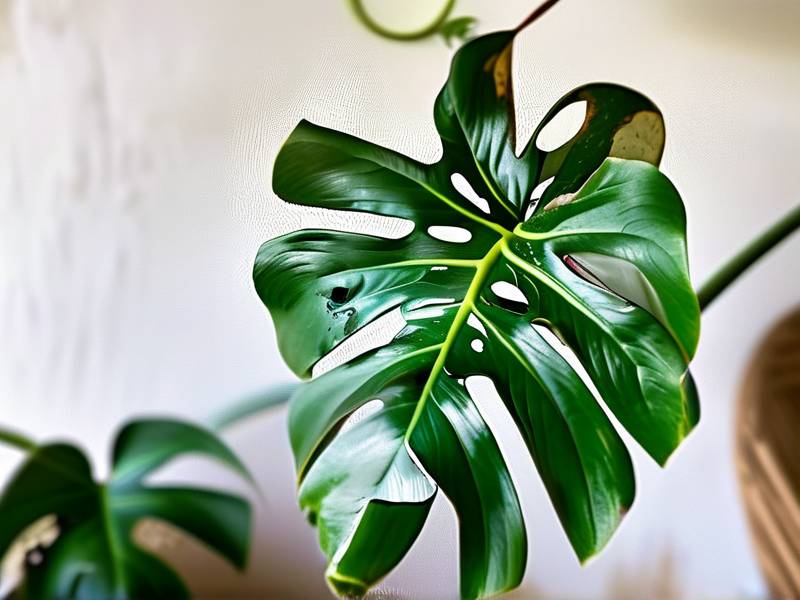
You've nurtured your Monstera deliciosa, watching its iconic split leaves unfurl. But now, it's starting to sprawl awkwardly across your floor or lean precariously to one side, searching for support. This common dilemma isn't just about aesthetics; it's about the plant's fundamental health and happiness. In its natural rainforest habitat, Monstera deliciosa is a vigorous climber, using its aerial roots to latch onto trees and reach for the canopy's light. Without proper support, your indoor specimen can become unruly, unstable, and may even struggle to produce its famous fenestrated leaves. The solution lies in understanding and providing the right trellis for climbing, transforming both your plant's well-being and your space's visual appeal.
Understanding Your Monstera's Climbing Nature
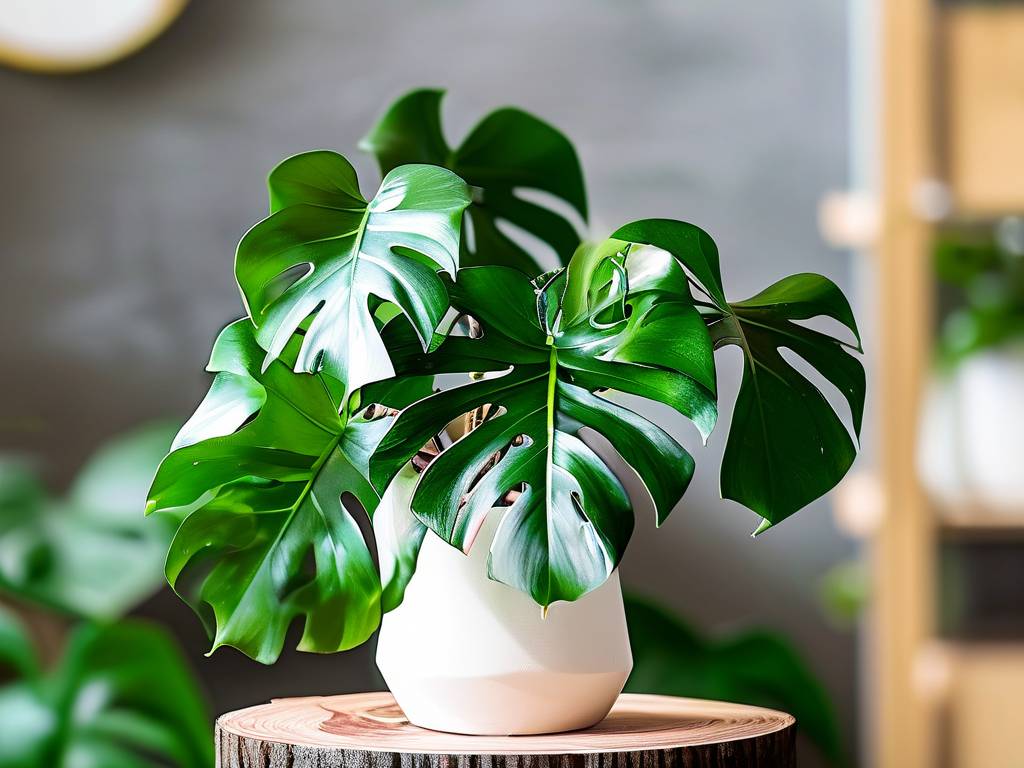
Monstera deliciosa is a hemi-epiphyte. This means it begins life on the forest floor but quickly seeks a vertical host to climb. Its stems produce robust aerial roots that are not just for show. These roots seek moisture and nutrients from the air and organic matter, but their primary structural function is to anchor the plant as it ascends. When provided with a suitable support like a trellis, the plant can direct its energy upward, leading to larger, more mature leaves with deeper splits and holes. A study of plant morphology confirms that structural support directly influences leaf size and fenestration in climbing aroids, as it mimics their natural growth pattern.
Choosing the Perfect Trellis for Your Monstera
Selecting the right support is crucial for both function and form. The ideal trellis for climbing Monstera plants should be sturdy, moisture-resistant, and aesthetically pleasing.
Material Matters: Pros and Cons Moss poles are the gold standard for many plant enthusiasts. They provide a moist, organic surface that aerial roots can penetrate and cling to, mimicking a tree trunk. Coir (coconut fiber) poles are another excellent, sustainable option, though they may retain slightly less moisture. For a more modern or industrial look, wooden trellises (like cedar or bamboo) or metal grids offer clean lines. Ensure any treated wood is safe for plants. Plastic-coated metal stakes are functional but may not offer the same grip or moisture benefits.
Size and Stability Considerations Your trellis should be at least 2/3 the height of your desired plant growth. It must be anchored securely in the pot. A wobbly trellis is a safety hazard for your plant. For larger Monsteras, choose a trellis with a wide base or consider a heavy pot that can counterbalance the weight. The Royal Horticultural Society (RHS) advises that the support should be installed at the time of repotting for the most stable setup, allowing you to position the root ball and stake effectively.
Aesthetic Integration into Your Home Decor Your Monstera's support can be a design feature. A sleek, geometric metal trellis complements a minimalist interior. A rustic moss pole enhances a jungle or bohemian vibe. Consider an arched trellis to create a living sculpture or a wall-mounted panel to create a green focal point. The key is to choose a support that you find beautiful, as it will be a permanent part of your plant's display.
Step-by-Step Guide to Attaching Your Monstera to a Trellis
Gathering Your Supplies You will need your chosen trellis, soft plant ties (velcro straps, jute twine, or even old nylon stockings are perfect), a watering can, and optionally, a spray bottle for moss poles.
The Gentle Attachment Process First, thoroughly water your plant to make the stems more pliable. Position the trellis close to the main stem, pushing it deep into the potting mix near the pot's center. Avoid damaging major roots. Identify the primary stems you wish to train. Using your soft ties, create loose loops in a figure-eight pattern—one loop around the stem and one around the trellis. This prevents chafing and allows for stem growth. Never tie the petioles (leaf stems); only secure the main, woody vine. Start from the base and work upward, providing support at several points.
Encouraging Aerial Root Attachment For moss or coir poles, keeping the pole consistently moist is vital. Mist it regularly or use a watering can to soak the top. This humidity encourages aerial roots to grow toward and into the pole, creating a natural, strong bond. You can gently guide new aerial roots toward the pole, but do not force them.
Ongoing Care and Training for Optimal Growth
Regular Maintenance and Adjustment As your Monstera grows, check the ties every month. Loosen or adjust them to prevent constriction. Add new ties higher up the trellis to support new growth. The American Horticultural Society (AHA) emphasizes that regular monitoring prevents long-term damage to plant tissues, which can become girdled and weakened by tight ties.
Light, Water, and Fertilizer for a Thrilling Climber A supported Monstera will grow more vigorously. Ensure it receives bright, indirect light to fuel this growth. Water when the top few inches of soil are dry, and increase humidity around the plant for optimal health. During the growing season, feed with a balanced liquid fertilizer every 4-6 weeks. A well-fed plant will produce larger, more fenestrated leaves as it climbs.
Pruning for Shape and Fullness Don't be afraid to prune. Trimming back leggy or unruly vines encourages bushier growth at the base. You can propagate these cuttings in water to create new plants. Pruning also helps maintain a manageable shape and directs the plant's energy to the leaves you are training up the trellis.
Troubleshooting Common Trellis Issues
Plant Leaning or Not Clinging If the plant leans away, it may need more secure ties or a repositioned trellis. If aerial roots aren't attaching to a moss pole, increase the moisture level on the pole's surface significantly.
Mold or Discoloration on Supports Mold on a moss pole is often a sign of over-saturation. Allow it to dry out slightly between waterings. For wooden trellises, ensure good air circulation. A light wipe with a diluted vinegar solution can address minor mold.
Upgrading to a Larger Trellis When your Monstera outgrows its support, it's time for an upgrade. The safest method is during repotting. Carefully untie all plant ties, remove the old trellis, and install a new, larger one in the fresh potting mix. Retrain the vines patiently.
How often should I moisten a moss pole for my Monstera? Aim to keep the moss pole consistently damp, not soggy. In average home conditions, this typically means misting it thoroughly every 1-2 days or pouring a small amount of water down the top once a week. The goal is to create a humid microenvironment that attracts aerial roots.
Can I use a regular garden stake instead of a specific trellis? You can use a sturdy bamboo or wooden stake for initial support of a young plant. However, as the Monstera matures, a single stake offers limited surface area for climbing and aerial root attachment. A wider trellis, moss pole, or grid provides a more natural and supportive structure for long-term health and impressive leaf development.
My Monstera's leaves are smaller at the top of the trellis. What's wrong? This is often a sign of insufficient light or nutrients. As the plant climbs higher, ensure the upper leaves still receive adequate bright, indirect light. It may also need more frequent fertilization during the growing season to support the energy demands of vertical growth. Check that the roots are not pot-bound, which can also limit growth.
Providing the right trellis for your Monstera deliciosa is more than a decorative choice; it's an act of replicating its natural instincts. By offering sturdy support, you unlock its potential for larger, more spectacular foliage and a stable, upright form. Whether you choose a moisture-rich moss pole or a sculptural metal frame, the partnership between plant and trellis transforms care from mere maintenance into a collaborative art form, resulting in a breathtaking indoor centerpiece that thrives on your attention.