 bluename
 How to Care for Spathiphyllum Seedlings: Bright Indirect Light & Humidity for Fast Blooming
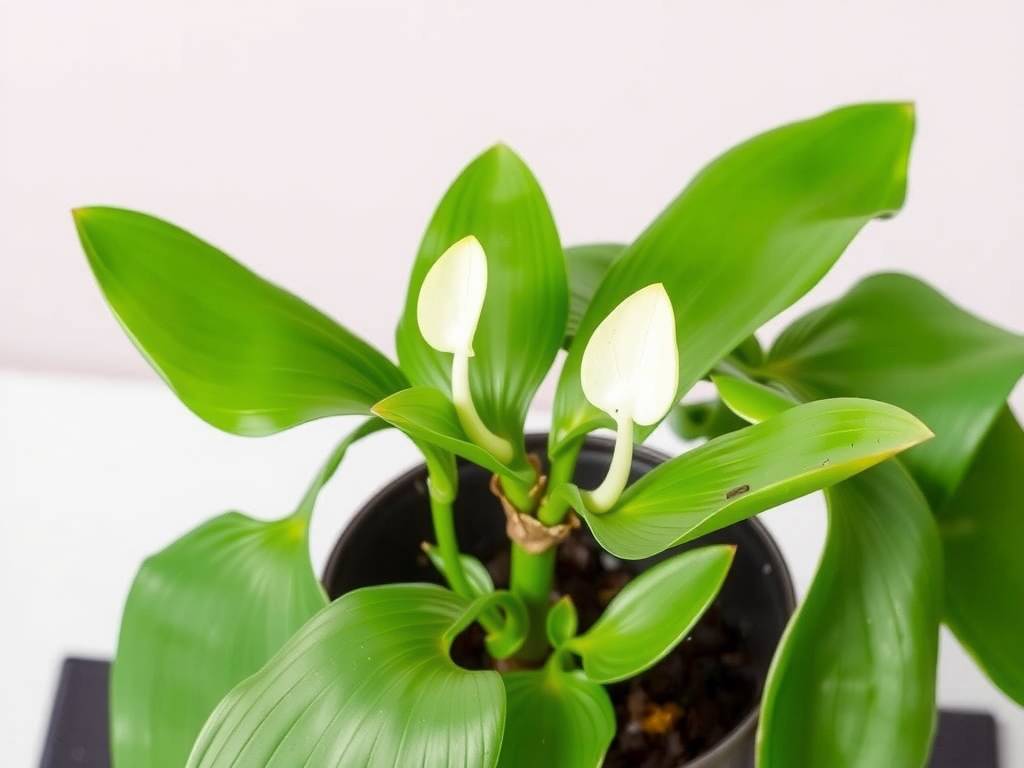
You've successfully nurtured your peace lily seeds into delicate seedlings, a true testament to your patience. But now, the real challenge begins. Why are the leaves turning yellow? Why is growth so slow, with no sign of the iconic white blooms? The journey from a fragile Spathiphyllum seedling to a lush, flowering plant hinges on mastering two critical elements: bright indirect light and consistent humidity. Get these right, and you'll unlock a path to vigorous growth and remarkably fast blooming.
This guide cuts through the confusion. We'll provide clear, actionable steps to create the perfect environment for your young peace lilies, transforming those seedlings into the stunning, air-purifying houseplants you envision.
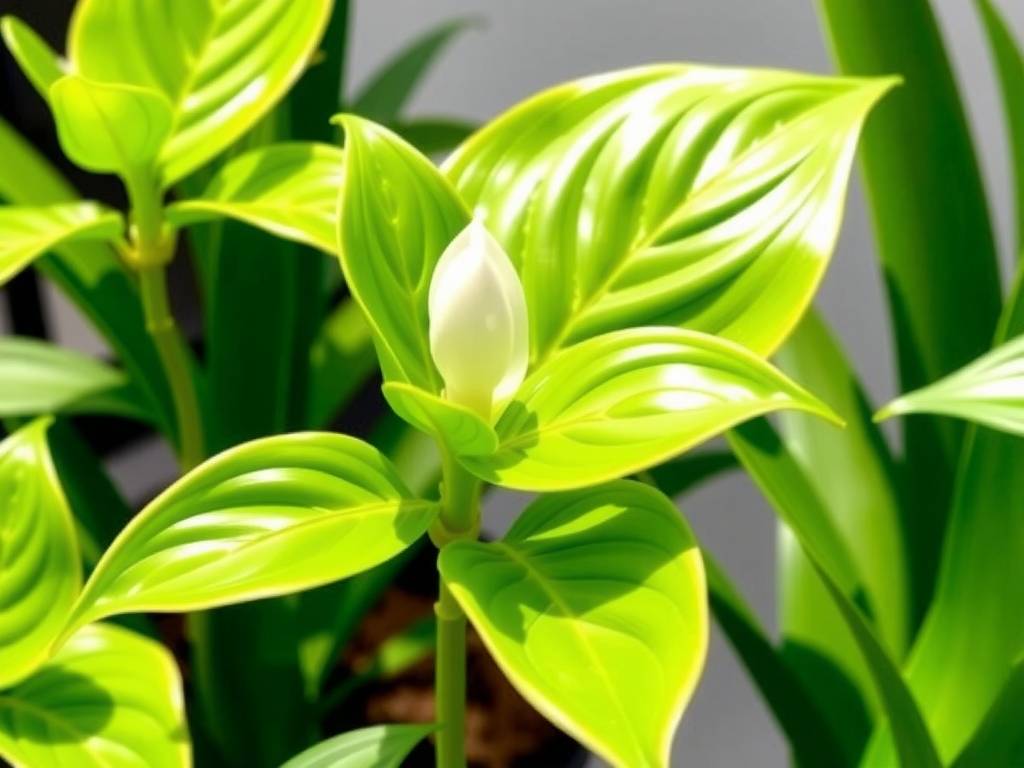
Understanding Your Spathiphyllum Seedling's Core Needs
Peace lilies (Spathiphyllum) are tropical understory plants in their natural habitat. This means they evolved beneath forest canopies, receiving dappled sunlight and thriving in warm, moist air. Your seedlings aren't just small plants; they are programmed with these specific environmental needs. Replicating these conditions is not about coddling them—it's about speaking their native language. Providing optimal humidity for Spathiphyllum growth and the correct light quality is the foundation for everything that follows: strong leaf development, a robust root system, and the energy to produce flowers.
The Golden Rule: Providing Bright Indirect Light
Light is the engine of plant growth. For Spathiphyllum seedlings, the type of light is non-negotiable.
What is Bright Indirect Light? Imagine a spot in your home that is brightly lit all day but where the sun's rays never directly touch the foliage. This could be a few feet back from a north or east-facing window, or beside a south or west-facing window shielded by a sheer curtain. Direct sunlight, especially through glass, will scorch the tender leaves of your seedlings, causing brown, crispy tips or yellow patches.
How to Find the Perfect Spot A simple shadow test works best. Hold your hand between the light source and your seedling at the brightest time of day. A soft, fuzzy shadow indicates perfect indirect light. A sharp, defined shadow means the light is too direct. Rotate your seedling tray a quarter turn each week to ensure even growth and prevent leaning.
The Direct Link to Fast Blooming Bloom formation is an energy-intensive process. Bright indirect light for faster blooming provides the maximum amount of usable light without the damage of direct sun. This abundant energy allows the seedling to mature efficiently, build reserves, and trigger its reproductive phase—flowering—sooner. Insufficient light results in leggy, weak growth and a complete absence of blooms, as the plant struggles merely to survive.
Creating a Humid Haven: Why Moisture in the Air Matters
If light is the engine, humidity is the lubricant. For tropical seedlings, ambient moisture is as crucial as water in the soil.
The Humidity Challenge in Homes Most indoor spaces, especially those with air conditioning or heating, have a relative humidity of 30-40%. Peace lily seedlings thrive in levels of 50% or higher. Low humidity forces the plant to lose water through its leaves faster than its roots can absorb it, leading to stress, brown leaf tips, and stunted growth.
Effective Methods to Boost Humidity
- Pebble Trays: This is the most reliable and simple method. Fill a shallow tray with pebbles and water, placing the seedling pot on top (ensuring the pot's drainage holes are not sitting in water). As the water evaporates, it creates a localized humid microclimate.
- Grouping Plants: Cluster your Spathiphyllum seedlings with other humidity-loving plants. Their collective transpiration raises the moisture level in the immediate area.
- Humidifiers: For a dedicated plant space, a small humidifier offers the most control, allowing you to dial in the perfect humidity level for healthy peace lily sprouts.
- Misting: A brief, light misting can provide temporary relief but is not a long-term solution. Avoid over-misting, which can encourage fungal issues on the foliage.
Supporting Practices for Accelerated Growth
With light and humidity mastered, these supporting practices will propel your seedlings forward.
Watering Wisely: The Soak and Dry Method Overwatering is the fastest way to kill seedlings. Water only when the top inch of the growing medium feels dry to the touch. Then, water thoroughly until it runs freely from the drainage holes, ensuring the entire root ball is hydrated. This encourages deep, strong roots. Never let your seedlings sit in a waterlogged saucer.
The Right Foundation: Soil and Potting Use a well-draining, peat-based potting mix. Good drainage prevents root rot, while the peat helps retain slight moisture and acidity, which peace lilies prefer. When your seedlings outgrow their starter cells, pot them up individually into containers only 1-2 inches larger. A pot that's too big holds excess soil that stays wet, risking root issues.
Gentle Nutrition for Young Plants Hold off on fertilizer for the first 3-4 months. Seedlings are sensitive. Once established, during the active growing season (spring and summer), feed monthly with a balanced, water-soluble fertilizer diluted to half-strength. This provides the nutrients needed for accelerating Spathiphyllum seedling development without burning delicate roots.
Temperature and Airflow Maintain a warm environment between 65°F and 80°F (18°C - 27°C). Protect seedlings from cold drafts and blasts from heating vents. Gentle air circulation from a distant fan can strengthen stems and prevent pest infestations, but avoid strong, direct drafts.
Troubleshooting Common Seedling Issues
- Yellowing Leaves: Often a sign of overwatering. Check your soil moisture first. It can also indicate insufficient light or, less commonly, a need for fertilizer in mature seedlings.
- Brown Leaf Tips: The classic sign of low humidity or inconsistent watering (allowing the plant to dry out too much between waterings). Revisit your humidity strategies.
- No Growth or Leggy Stems: Almost invariably due to insufficient light. Move your seedlings to a brighter location with indirect light.
- No Flowers: If your plant is mature (6+ months) and healthy but not blooming, the culprit is usually light. It needs more bright indirect light for faster blooming. Nutrient imbalance (too much nitrogen) can also promote leaves at the expense of flowers.
How often should I water my peace lily seedlings? Water only when the top inch of soil is dry. This could be once a week or every few days, depending on your home's temperature, light, and humidity. Always let the plant's soil, not the calendar, guide you.
Can I use a grow light for my Spathiphyllum seedlings? Absolutely. A full-spectrum LED grow light is an excellent solution for low-light homes. Position it 12-18 inches above the seedlings and run it for 12-14 hours a day to simulate the long, bright days of the tropics.
When will my seedlings finally bloom? With exceptional care under bright indirect light and high humidity, you may see the first flower spathe emerge in 6-8 months. Typically, it takes about a year for a seedling to reach blooming maturity. Patience is key—you are building a strong, resilient plant that will bloom reliably for years to come.
Caring for Spathiphyllum seedlings is a rewarding exercise in precision. By faithfully providing the gentle brightness of indirect light and the comforting embrace of humid air, you do more than keep a plant alive. You activate its genetic potential for lush, rapid growth. The appearance of that first elegant white bloom is not an accident; it is the direct result of an environment crafted to meet its deepest needs. Start with these two pillars, support them with mindful watering and feeding, and your seedlings will transform into stunning, floriferous peace lilies that purify your air and elevate your space.





