 bluename
 How to Care for Aspidistra Elatior? Shade-Tolerant and Drought-Resistant Maintenance Tips
You've just brought home a beautiful Aspidistra elatior, also known as the cast iron plant, celebrated for its legendary toughness. Yet, you find yourself hesitating. How do you care for a plant famous for surviving neglect? The very reputation that makes it appealing can also be confusing. You might wonder, "If it's so hardy, does it need anything at all?" The answer is yes, but the approach is refreshingly simple. This guide will demystify the process, transforming uncertainty into confidence. We'll provide clear, actionable steps to not just keep your cast iron plant alive, but to help it thrive with lush, dark green foliage. Its shade-tolerant and drought-resistant nature is the key to its easy-care routine, making it a perfect choice for busy plant lovers or dimly lit spaces.
Understanding Your Cast Iron Plant
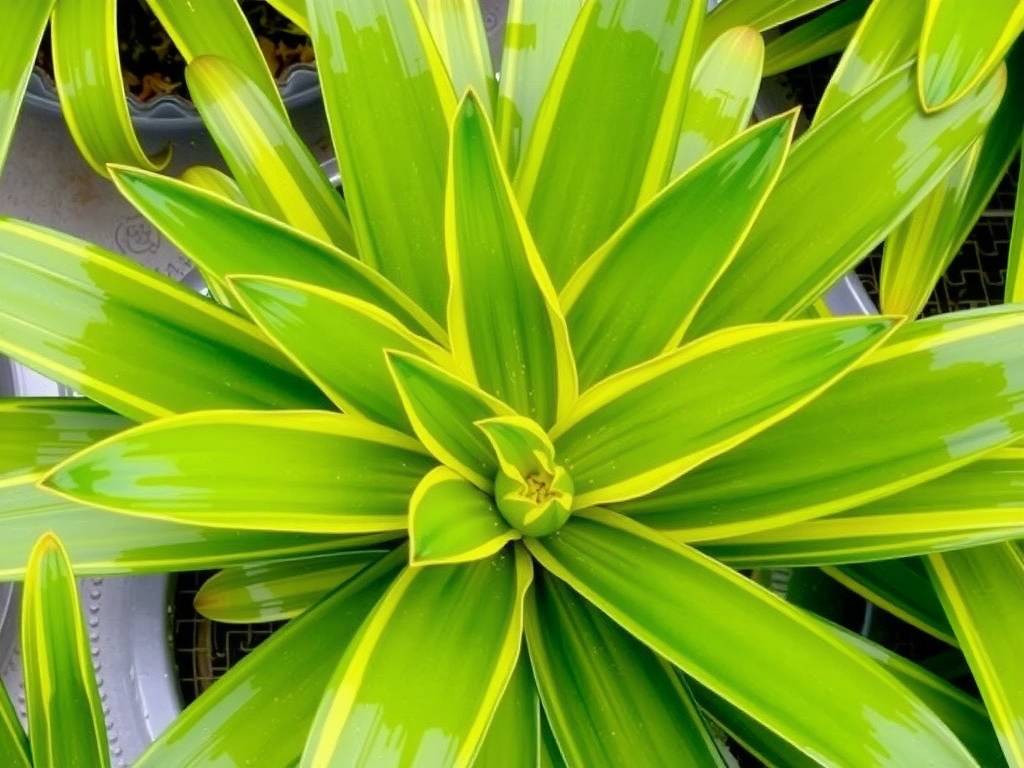
Before diving into care, it helps to know why Aspidistra elatior earned its robust nickname. Native to the forest floors of Japan and Taiwan, it evolved in low-light conditions under dense canopies, receiving only dappled sunlight. This is the origin of its exceptional shade tolerance. Its thick, rhizomatous roots store water, allowing it to withstand periods of dryness, hence its drought-resistant qualities. These aren't just marketing terms; they are the biological blueprint for its care. As noted in the Journal of Horticultural Science, plants like the Aspidistra have developed slow metabolic rates and efficient water storage to cope with resource-limited environments. Understanding this helps us replicate its preferred conditions at home.
Perfect Lighting: Embracing the Shade
The most common mistake with a cast iron plant is giving it too much light. Direct sunlight will scorch its leaves, leaving unsightly brown or yellow patches.
- Ideal Placement: North-facing windows are perfect. East or west-facing windows are acceptable if the plant is placed several feet back from the window or shielded by a sheer curtain. It can even flourish in rooms with only fluorescent lighting, making it a champion for office spaces or interior rooms.
- Signs of Trouble: Pale, washed-out leaves can indicate too much light. Conversely, extremely slow growth is normal and not a sign of insufficient light. Its ability to thrive in low light is its superpower.
Watering Wisdom: The Art of Neglect
This is where the drought-resistant trait truly shines. Overwatering is the fastest way to harm an Aspidistra, leading to root rot.
- The Golden Rule: Water deeply, then allow the soil to dry out almost completely. Insert your finger into the soil up to the second knuckle. If it feels dry, it's time to water. In most indoor settings, this translates to watering every 2-3 weeks, sometimes even less in winter.
- Seasonal Adjustments: Reduce watering frequency significantly during the cooler, darker winter months when the plant's growth nearly halts. A good pot with drainage holes is non-negotiable to prevent water from pooling at the bottom.
Soil and Potting: Foundation for Health
Aspidistra elatior isn't picky about soil, but it demands excellent drainage. A standard, well-draining potting mix is sufficient. You can add a handful of perlite or orchid bark to increase aeration. Repotting is rarely needed—this slow grower is happy being slightly root-bound. Consider repotting only every 3-4 years to refresh the soil, sizing up the pot just slightly if necessary.
Temperature and Humidity: Comfortably Average
Mimicking its forest floor origins, Aspidistra prefers moderate temperatures and humidity. It thrives in average room temperatures between 60°F and 75°F (15°C - 24°C). It can tolerate occasional dips down to 45°F (7°C). Average household humidity is perfectly adequate. While it appreciates occasional misting or a humidifier nearby, it won't suffer without it, unlike many tropical plants. This low-maintenance indoor plant truly fits into your life without demanding special climate control.
Feeding and Fertilizing: Less is More
Given its slow growth, Aspidistra elatior has minimal nutritional needs. Over-fertilizing can burn its roots and damage the foliage.
- Schedule: Feed only during the active growing season (spring and summer). A balanced, water-soluble houseplant fertilizer diluted to half-strength once a month is plenty. Do not fertilize in autumn and winter.
- Expert Tip: Horticulturist Jane Perrone, author of "The Houseplant Handbook," advises, "With cast iron plants, think of fertilizer as a light vitamin supplement, not a main meal. When in doubt, skip it."
Cleaning and Pruning for Vibrant Foliage
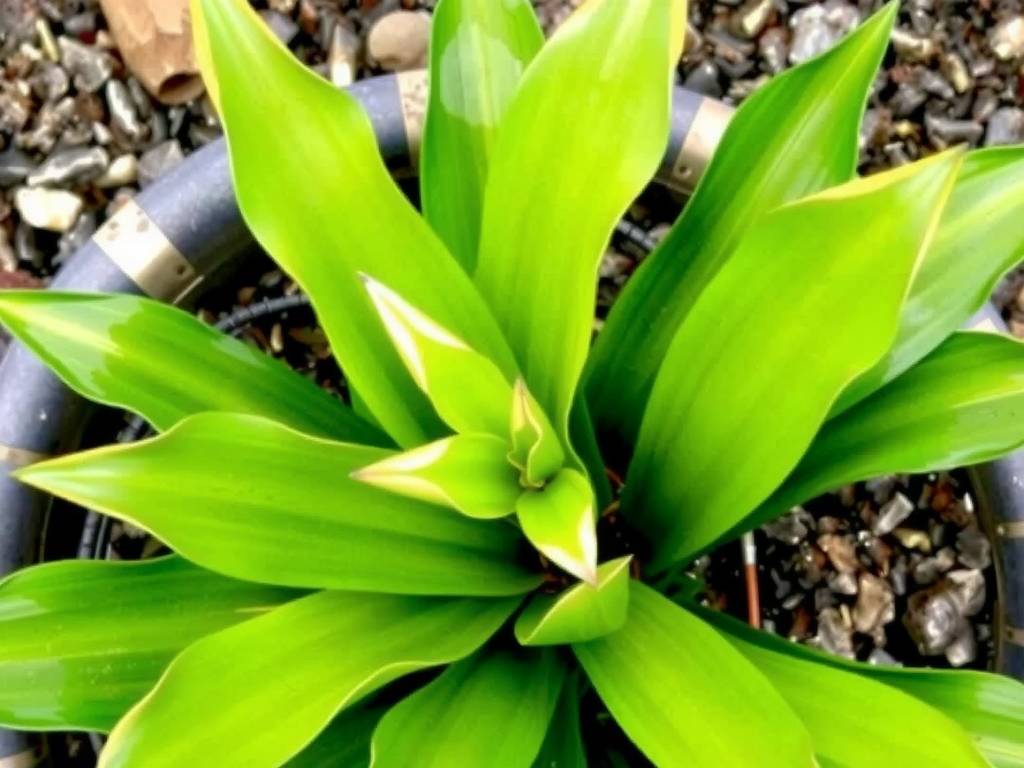
The broad leaves can accumulate dust, which hinders photosynthesis. Wipe them down gently every month or so with a damp, soft cloth. This not only keeps the plant healthy but also showcases its deep green gloss. Pruning is simple: only remove leaves that are yellowing, brown, or damaged at the base where they meet the soil. Use clean, sharp scissors to make a clean cut.
Troubleshooting Common Issues
- Brown Leaf Tips: Usually a sign of over-fertilization or, less commonly, fluoride in tap water. Flush the soil with distilled water and adjust your feeding schedule.
- Yellowing Leaves: The most likely cause is overwatering. Check your soil moisture and ensure the pot drains freely. A few older leaves yellowing at the base is a normal part of the plant's renewal process.
- Pests: Aspidistra is notably pest-resistant, but scale or spider mites can occasionally appear. Wipe leaves with insecticidal soap or neem oil solution.
How often should I really water my cast iron plant? There's no universal weekly schedule. The frequency depends entirely on your home's light, temperature, and humidity. Always use the "finger test" – water only when the top two inches of soil are completely dry. In low-light, cool conditions, this could mean watering only once a month.
Can my Aspidistra recover from overwatering? Yes, if caught early. Stop watering immediately. Remove the plant from its pot to inspect the roots. Healthy roots are firm and white or light tan. Soft, mushy, brown roots indicate rot. Trim away all affected roots with sterile tools, repot in fresh, dry, well-draining soil, and do not water for at least a week to let the roots recover.
Why isn't my plant growing new leaves? Extremely slow growth is completely normal for Aspidistra elatior. It may only produce 3-5 new leaves per year. As long as the existing leaves are firm and a healthy green, your plant is perfectly happy. Patience is key with this slow-growing companion.
Caring for an Aspidistra elatior is a lesson in restraint and observation. Its legendary resilience is built on simple needs: protect it from harsh sun, water it sparingly, and leave it be. By respecting its shade-loving and drought-tolerant nature, you cultivate not just a plant, but a serene, green presence that requires little yet gives much. It’s the steadfast, low-fuss friend in your plant collection, proving that sometimes, the simplest care yields the most enduring beauty.





