bluename
 How to Care for Peperomia Pellucida Seedlings - Bright Indirect Light for Fast Growth
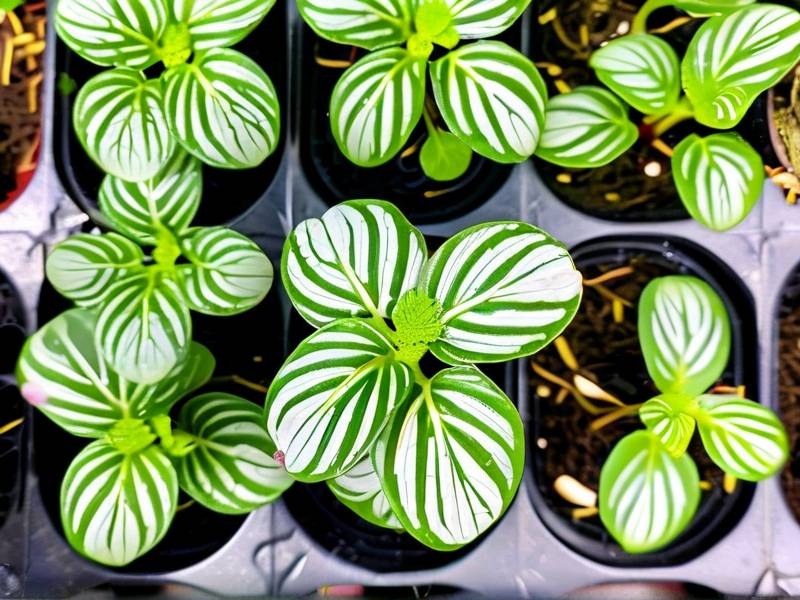
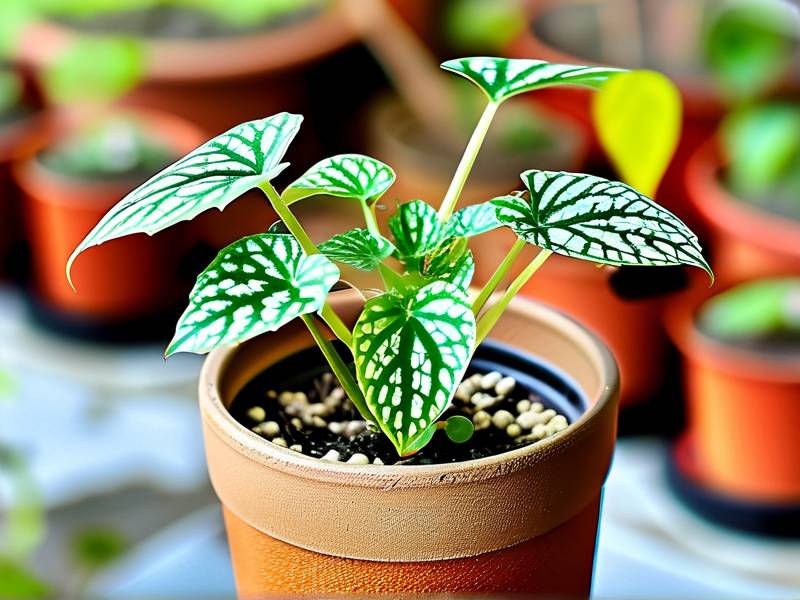
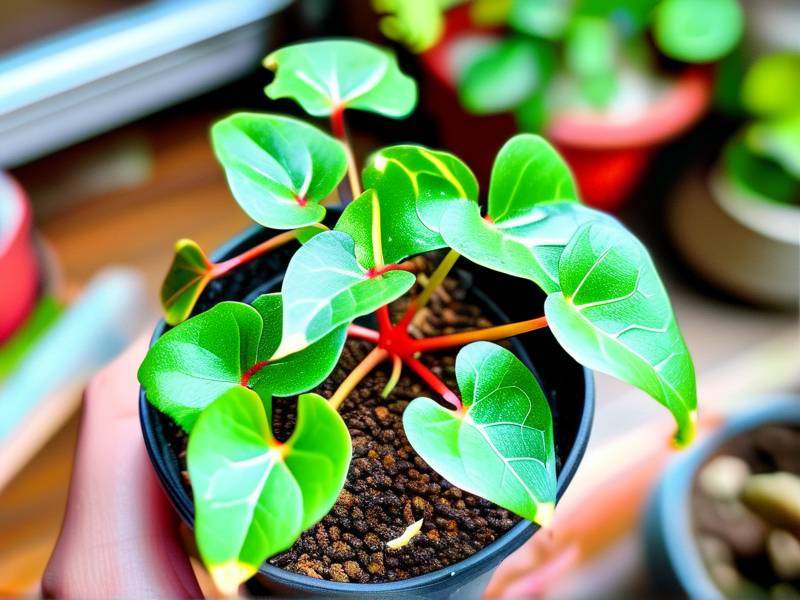
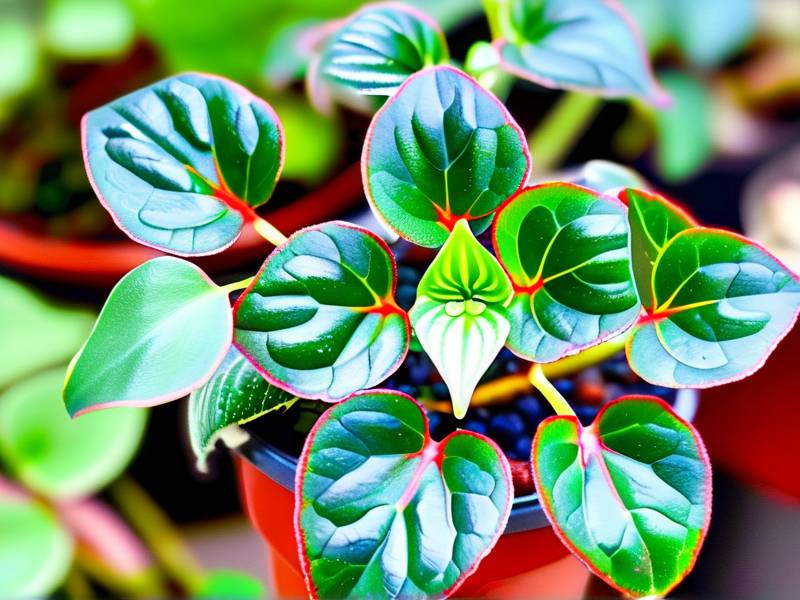
You’ve successfully germinated your Peperomia Pellucida seeds, and now a delicate forest of tiny seedlings is emerging. The excitement is quickly followed by a wave of anxiety. Why are they looking so leggy and weak? Why is growth so painfully slow, or worse, why are some seedlings suddenly wilting? The journey from a fragile seedling to a lush, translucent-leaved plant is fraught with challenges, and the most common culprit is incorrect lighting. Mastering the care for these early stages, particularly providing the right quality of light, is the single most important factor for robust, fast growth. This guide will demystify the process, focusing on how bright indirect light for fast growth is non-negotiable for thriving Peperomia Pellucida seedlings.
Understanding Your Peperomia Pellucida Seedling’s Needs
Peperomia Pellucida, often called "shining bush" or "pepper elder," is a tropical herb prized for its succulent, heart-shaped, almost translucent leaves. In its natural rainforest understory habitat, it thrives in dappled sunlight that filters through taller canopy trees. It never experiences the harsh, direct rays of the midday sun, nor does it languish in deep, dark shade. Your seedlings crave this exact same condition: a steady bath of abundant, gentle light.
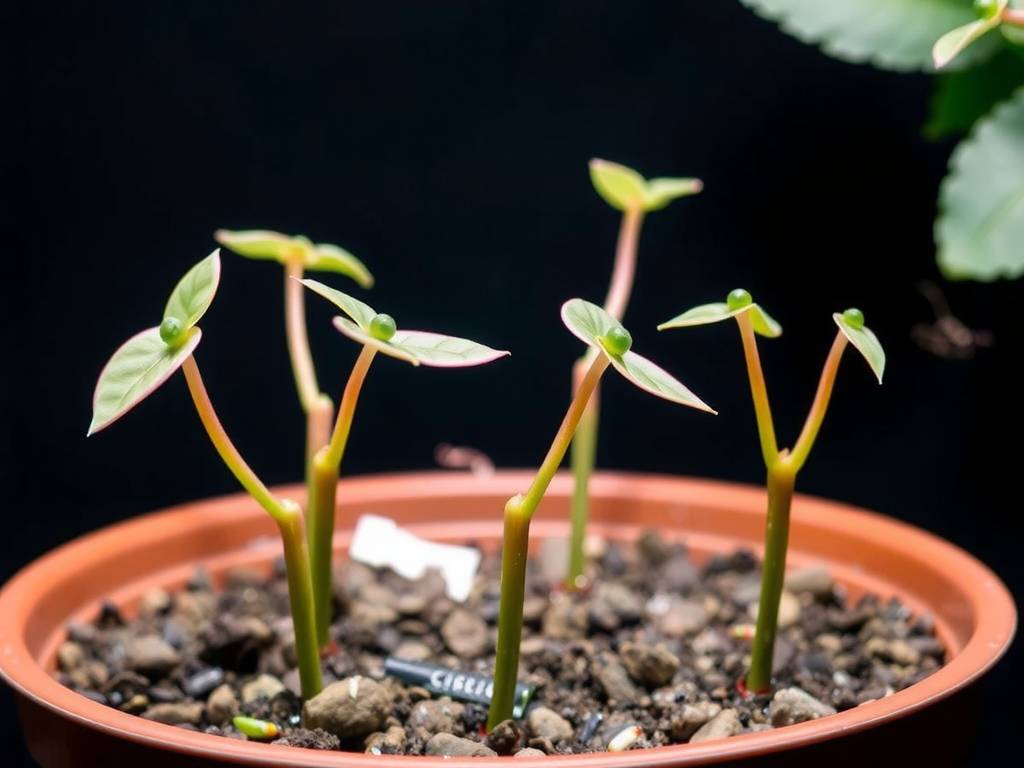
This is where the term bright indirect light becomes your mantra. It’s not a vague suggestion; it’s the specific fuel for photosynthesis that builds strong cell walls, promotes compact growth, and develops those characteristic vibrant leaves. Without it, seedlings perform a desperate survival tactic called etiolation—stretching their stems thin and long to reach for any light source. This results in weak, spindly plants that are prone to collapse.
Why Bright Indirect Light is the Engine for Fast Growth
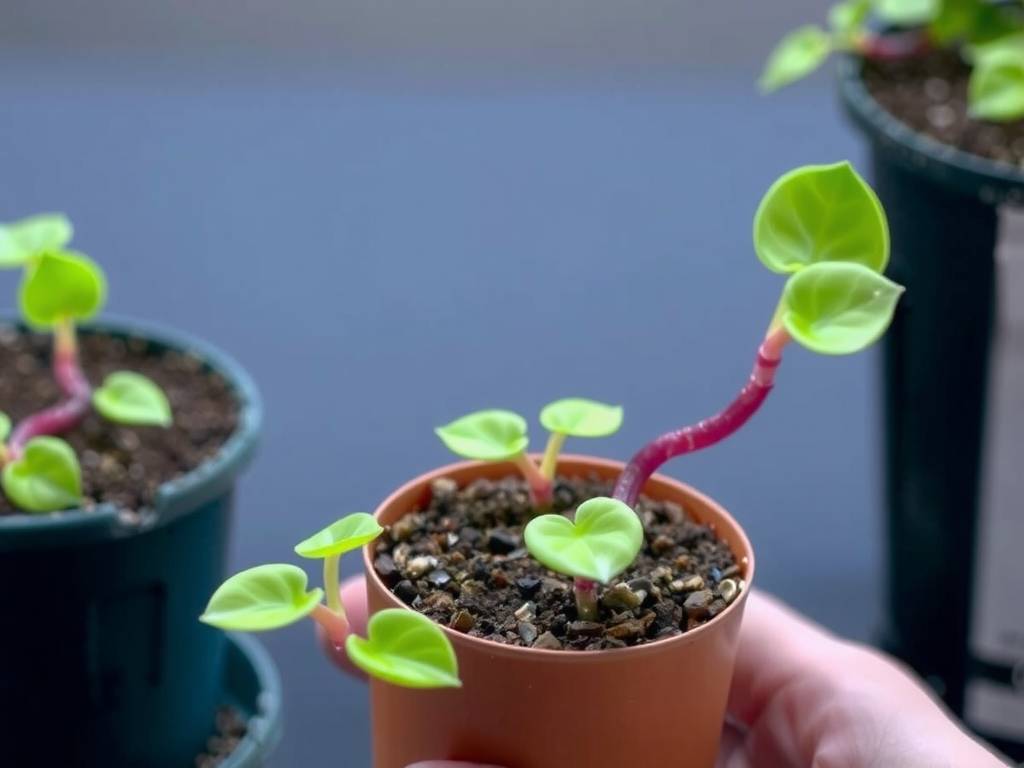
Let’s break down the science behind the recommendation. Light is the energy source for photosynthesis. For young Peperomia Pellucida plants, efficient photosynthesis means more energy is available for developing new leaves, strengthening stems, and expanding their root systems.
Direct sunlight, especially through a window, acts like a magnifying glass. It can scorch the tender, water-filled tissues of the seedlings in minutes, causing bleached, brown, or crispy patches. This damages their ability to produce energy.
Low light forces the seedling to conserve energy. Growth slows to a crawl, leaves remain small, and the plant invests less in roots, making it vulnerable to overwatering issues.
Bright indirect light provides the perfect Goldilocks zone. It’s intense enough to maximize photosynthetic activity without the damaging heat and radiation. According to horticulturist Dr. Linda Chalker-Scott, "Under optimal indirect light, plants can achieve their genetic potential for growth and development without the stress responses triggered by light extremes." This stress-free, energy-rich environment is what translates directly to the fast growth every indoor gardener desires. You’ll notice new leaves forming more frequently, stems thickening, and an overall vigorous appearance.
How to Find and Create the Perfect Bright Indirect Light Spot
Identifying this light in your home is a skill. Here’s a simple method: place your hand between the light source and where the seedling will sit around midday. If you see a clearly defined, sharp shadow, it’s likely direct light. If you see a soft, fuzzy shadow, that’s your bright indirect light.
Ideal locations include:
- North-facing windows: These often provide consistent, gentle indirect light all day.
- East-facing windows: They offer the gentle morning sun, which is usually indirect and beneficial.
- South or West-facing windows: These are trickier. Place your seedling pot several feet back from the window, or use a sheer curtain to diffuse the intense afternoon rays. A shelf to the side of the window, not directly in front of it, can also be perfect.
If your home lacks natural bright spots, don’t despair. Grow lights are a fantastic, controllable solution. For Peperomia Pellucida seedlings, full-spectrum LED grow lights are ideal. Position them 12 to 18 inches above the seedlings and run them for 12-14 hours a day to simulate a long tropical day. This guarantees your seedlings receive consistent bright light for healthy seedlings, accelerating their development regardless of the weather outside.
The Critical Link: Light, Watering, and Humidity
Light doesn’t work in isolation. It directly dictates your watering schedule—the second most critical aspect of Peperomia Pellucida seedling care. More light means the seedling uses water more quickly for photosynthesis. Less light means the soil stays wet longer.
The Golden Rule: Always check the soil moisture before watering. The top half-inch to inch of the growing medium should feel dry to the touch. For seedlings in bright indirect light, this might mean watering a little more frequently than those in lower light, but always based on soil dryness, not a fixed schedule. Overwatering in low light is the fastest way to trigger root rot.
Similarly, these tropical natives love moderate to high humidity (50-60%), which supports their tender leaves. A humidifier, a pebble tray filled with water placed beneath the pot, or a clear plastic dome (often used for germination) can create a perfect microclimate. Just ensure there is some air circulation to prevent fungal issues.
Step-by-Step Care Routine for Vigorous Seedlings
- Position First: Secure the ideal bright indirect light location as described above. This is your foundation.
- Water Wisely: Use a watering can with a narrow spout to water the soil base, avoiding the fragile leaves and stems. Water thoroughly until it drains from the bottom, then empty the saucer. Never let seedlings sit in water.
- Feed Gently: Seedlings have minimal nutrient needs from their seed. After they develop their second or third set of true leaves, you can begin a very diluted feeding. Use a balanced, water-soluble fertilizer diluted to 1/4 strength, once a month during the active growing season (spring and summer).
- Promote Good Airflow: Gentle air circulation from a distant fan on a low setting helps strengthen stems and prevents disease. Avoid direct, harsh drafts from air conditioners or heaters.
- Monitor and Rotate: Seedlings will naturally lean toward the light. Rotate the pot a quarter turn every few days to encourage even, upright growth. Watch for signs of distress: legginess means more light is needed; pale or scorched leaves mean less direct exposure.
Troubleshooting Common Seedling Problems
- Leggy, Stretched Seedlings: This is a definitive cry for more light. Immediately move them to a brighter indirect location or introduce a grow light.
- Yellowing Lower Leaves: Often a sign of overwatering. Check your soil moisture and light levels. In lower light, cut back on watering frequency.
- Brown, Crispy Leaf Edges: Could be from low humidity, but also check for accidental direct sun exposure or fertilizer burn if you’ve recently fed them.
- Slow or Stalled Growth: Almost always related to insufficient light or temperatures that are too cool. Ensure ambient temperatures stay above 65°F (18°C) and revisit your light source.
How often should I water my Peperomia Pellucida seedlings? There is no fixed schedule. Water only when the top layer of soil feels dry. In bright indirect light, this may be every 5-7 days, but it depends on pot size, soil mix, and room humidity. Always let the soil’s condition, not the calendar, guide you.
Can I put my seedlings in direct morning sun? Early morning sun (from an east-facing window) is usually mild and can be acceptable for a short period. However, it’s safer to treat all direct sun with caution. If you choose to try it, monitor the leaves closely for any signs of scorching and be prepared to move them back.
My seedlings are under a grow light. How long should I leave it on? Aim for a consistent photoperiod of 12 to 14 hours of light followed by 10-12 hours of darkness. This mimics natural conditions and gives the plants a rest period. Using a simple outlet timer is the easiest way to automate this for consistent fast growth.
Cultivating Peperomia Pellucida from seed to a mature plant is a rewarding experience that hinges on mimicking its natural habitat. By prioritizing a steady source of bright, indirect light, you provide the essential energy for strong, compact, and rapid development. Pair this with mindful watering tailored to your light conditions and a humid environment, and your delicate seedlings will confidently transform into the stunning, translucent-leaved specimens you envisioned. Remember, patience and observation are your best tools—watch how your plants respond and adjust their care to help them thrive.