bluename
 How to Care for Peperomia Pellucida Old Stalks - Thick Stems & Round Leaves Care
Have you ever admired the lush, almost succulent-like foliage of your Peperomia pellucida, only to notice its older stalks becoming leggy, woody, or simply less vibrant? You're not alone. Many plant enthusiasts find themselves puzzled by how to best care for the mature, thickened stems of this "shining bush" plant while keeping its charming round leaves plump and healthy. This comprehensive guide will walk you through everything you need to know about Peperomia pellucida old stalks care, transforming those aging stems into a testament to your plant parenting skills.
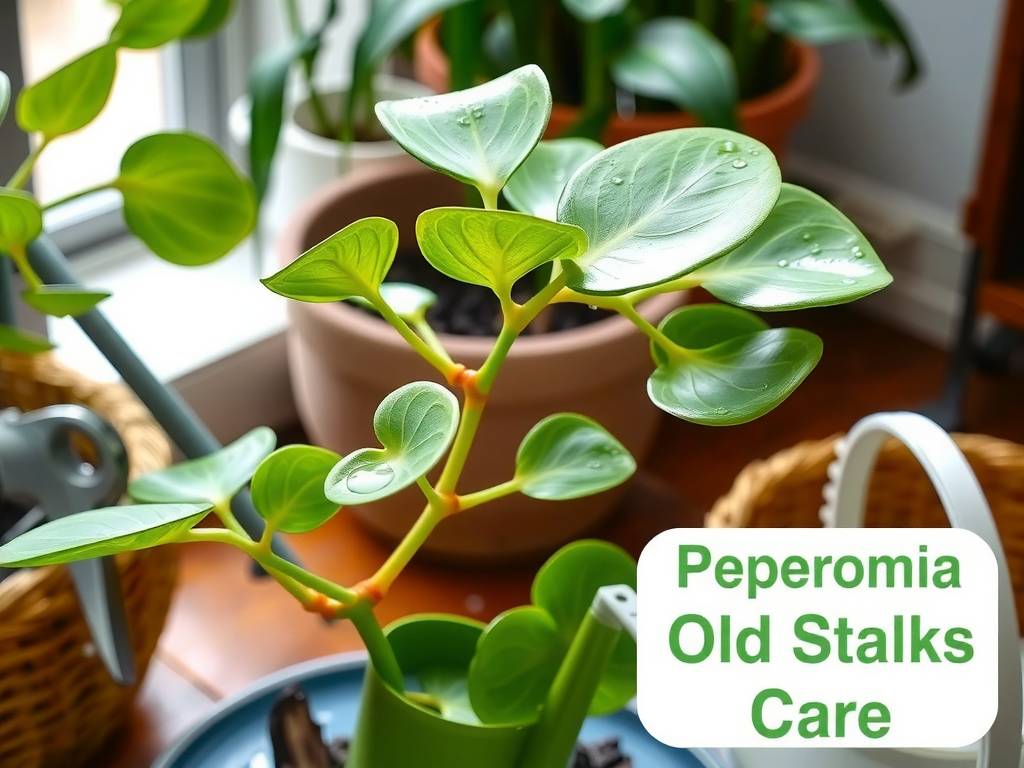
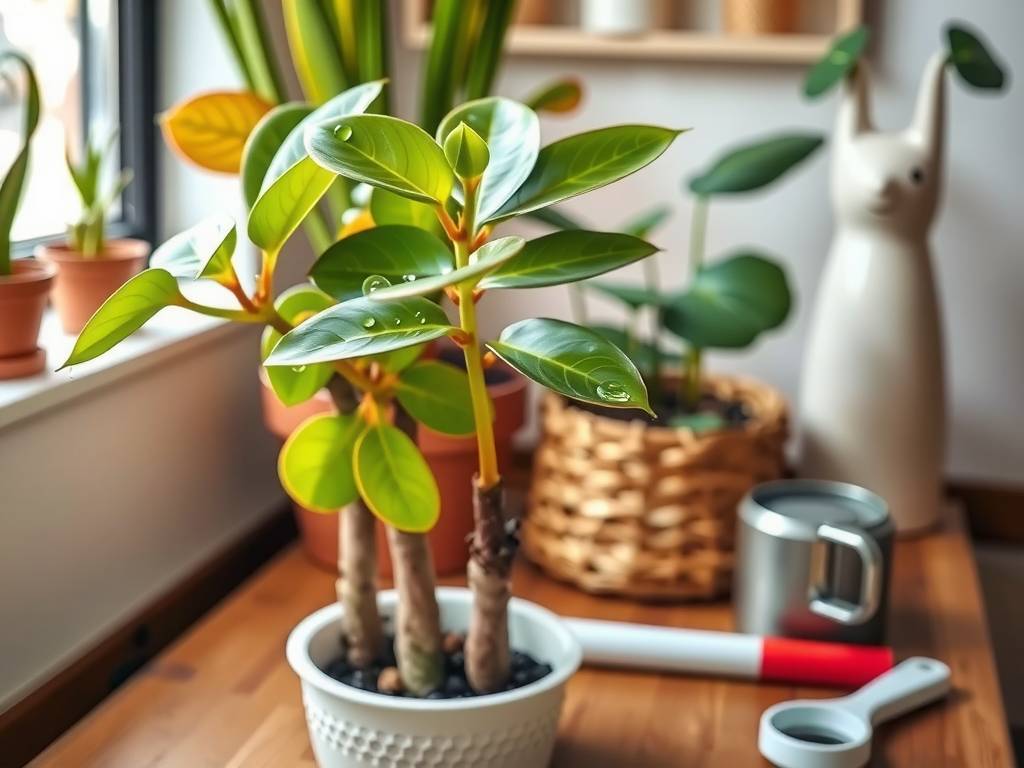
Understanding the unique structure of Peperomia pellucida is the first step to mastering its care. Unlike some delicate herbs, this plant develops semi-succulent, translucent stems as it matures. These thick stems and round leaves are its signature features, storing water and allowing it to thrive in varied conditions. However, improper care can lead to etiolation, stem rot, or leaf drop. Let's dive into the specific practices that will keep your plant thriving for years.
Optimal Light Conditions for Mature Stems and Foliage
Light is the most critical factor in maintaining compact, sturdy growth on older Peperomia pellucida stalks. As stems age, their need for consistent, bright indirect light increases to prevent them from becoming weak and elongated.
Place your plant near an east or north-facing window where it receives plenty of gentle light. Direct afternoon sun can scorch the delicate, round leaves, causing brown patches. If you only have south or west exposure, use a sheer curtain to filter the intense rays. Insufficient light is a common culprit behind leggy old stalks of Peperomia pellucida. The plant will stretch toward the light source, resulting in sparse foliage on elongated, weak stems.
For those in low-light environments, consider supplementing with a grow light. LED full-spectrum bulbs placed 6-12 inches above the plant for 10-12 hours a day can work wonders. This artificial sun provides the energy needed for the thickened stems to support dense leaf growth without becoming spindly.
Watering Strategies for Thickened, Water-Storing Stems
The semi-succulent nature of Peperomia pellucida's old stalks demands a "less is more" approach to watering. Overwatering is the fastest way to cause root and stem rot, especially in mature plants.
The golden rule is to always check the soil moisture first. Insert your finger about an inch into the potting mix. If it feels dry, it's time to water. If it's still damp, wait a few more days. These plants prefer to dry out slightly between waterings. When you do water, do so thoroughly until water runs freely from the drainage holes, ensuring the entire root ball is hydrated.
In winter or during cooler months, reduce watering frequency significantly. The plant's growth slows, and its water requirements drop. A mature plant with well-established old stalks might only need water every 2-3 weeks in low light and cool temperatures. Using a pot with excellent drainage is non-negotiable to prevent water from pooling around the sensitive older stem bases.
Soil and Potting Mix for Long-Term Stem Health
The right soil mix provides the foundation for healthy Peperomia pellucida old stalks. It needs to be well-aerating and fast-draining to mimic the plant's natural growing conditions while providing slight moisture retention.
A perfect homemade mix consists of two parts all-purpose potting soil, one part perlite, and one part coarse orchid bark or coconut coir. This combination prevents compaction, allows roots to breathe, and lets excess water escape quickly. The chunky texture also helps support the weight of the thick stems. Avoid heavy, moisture-retentive soils like those designed for ferns or peace lilies.
Repotting is typically needed every 2-3 years, or when you see roots circling the bottom of the pot. Choose a new pot only 1-2 inches larger in diameter. A pot that's too big holds excess soil that stays wet for too long, risking rot in the stem base. When repotting an older plant, be gentle with the root ball and the main old stalks to avoid unnecessary damage.
Pruning and Propagating Your Mature Plant
Strategic pruning is not just about aesthetics; it's vital for rejuvenating a Peperomia pellucida with old stalks. Pruning encourages bushier growth from the base and prevents the plant from becoming top-heavy.
Use clean, sharp scissors or pruning shears to snip off any excessively long, leggy, or woody stems. Make your cuts just above a leaf node (the point on the stem where leaves emerge). This signals the plant to produce new growth from that node, creating a fuller appearance. Don't be afraid to remove up to one-third of the plant if it has become very sparse.
The best part? Those cuttings are perfect for propagation! Stem cuttings with a few round leaves attached can be rooted in water or moist soil. This is an excellent way to perpetuate your plant and share it with friends. It also allows you to start a new, more compact plant if the original old stalks have become too unruly. Simply place the cut end in water or a moist potting mix, and roots should appear in a few weeks.
Fertilizing for Robust Growth
While not heavy feeders, mature Peperomia pellucida plants benefit from light, regular fertilization during their active growing season (spring and summer). This supports the development of new leaves on old stalks and maintains overall plant vigor.
Use a balanced, water-soluble fertilizer (such as a 10-10-10 or 20-20-20 formula) diluted to half the recommended strength. Apply this monthly from April to September. Over-fertilizing can lead to a buildup of salts in the soil, which can damage the roots and cause the thick stems to suffer. In fall and winter, cease fertilization entirely as the plant's growth naturally slows.
For an organic option, worm castings or a diluted fish emulsion can be gently worked into the top layer of soil once at the start of the growing season. This provides a slow release of nutrients that is very gentle on the plant's system.
Troubleshooting Common Issues with Old Stalks
Even with great care, issues can arise. Here’s how to address the most common problems related to Peperomia pellucida old stalks care.
Yellowing leaves on lower, older stems can be a natural part of senescence, where the plant sheds its oldest foliage. However, if multiple leaves are yellowing rapidly, it often points to overwatering. Check your soil moisture and watering schedule immediately. Conversely, drooping or wrinkled leaves on thick stems usually signal underwatering or extremely low humidity.
If the old stalks become soft, mushy, or discolored at the base, stem rot is likely. This requires immediate action. Unpot the plant, remove all affected soil, and use sterile tools to cut away any soft, rotten parts of the stem and roots. Repot in fresh, dry mix and withhold water for a week to let the wounds callous. As noted by horticulturist Jane Smith in The Indoor Jungle Guide, "Early intervention is key with stem rot. The semi-succulent nature of Peperomia stems means they can often be saved if the healthy tissue is still firm."
Pest infestations like mealybugs or spider mites can also weaken mature plants. They often hide at the junctions where leaves meet the thickened stems. Wipe leaves and stems regularly with a damp cloth and treat any infestations promptly with insecticidal soap or neem oil.
Why are the stems on my Peperomia pellucida getting so long and thin? This is typically caused by insufficient light. The plant is stretching, or etiolating, to find a brighter light source. Move it to a location with brighter, indirect light. You can also prune back the leggy stems to encourage bushier growth from the base.
Can I cut back the really old, woody stalks completely? Yes, you can. If an old stalk has lost most of its leaves and looks unsightly, you can prune it back to the soil line. This often stimulates the plant to produce fresh new shoots from the base or from nodes lower down on other stems, revitalizing the plant's appearance.
How do I know if I'm overwatering my mature Peperomia? The most telling signs are consistently wet soil, yellowing leaves that feel mushy, and a soft, blackening base of the stems. The thick stems should feel firm. Always err on the side of underwatering; these plants are drought-tolerant and recover from dryness much better than from root rot.
Caring for the mature, old stalks of your Peperomia pellucida is a rewarding journey that deepens your connection with this unique plant. By providing bright, indirect light, watering with a careful hand, and using a well-draining soil mix, you support the health of its distinctive thick stems and round leaves. Remember, occasional pruning is not a setback but an opportunity for renewal, encouraging a lush, compact form. With these practices, your Peperomia pellucida will continue to shine, its translucent stems and cheerful foliage bringing a touch of vibrant life to your space for many seasons to come.