bluename
 How to Care for Potted Tulips: Dwarfing Treatment for Elegant & Non-Lodging Form
There's nothing more disheartening than watching your carefully nurtured potted tulips, once standing tall and proud, begin to flop over, their stems bending under the weight of their own blooms. This common issue, known as lodging, can turn an elegant display into a messy, disappointing one. But what if you could cultivate potted tulips that maintain a compact, sturdy, and graceful form from bud to full bloom? The secret lies in mastering the art of dwarfing treatment. This guide will walk you through specialized care techniques designed specifically to promote elegant, non-lodging potted tulips, ensuring your container-grown beauties remain the stunning focal point they are meant to be.
Understanding the "Why" Behind Lodging
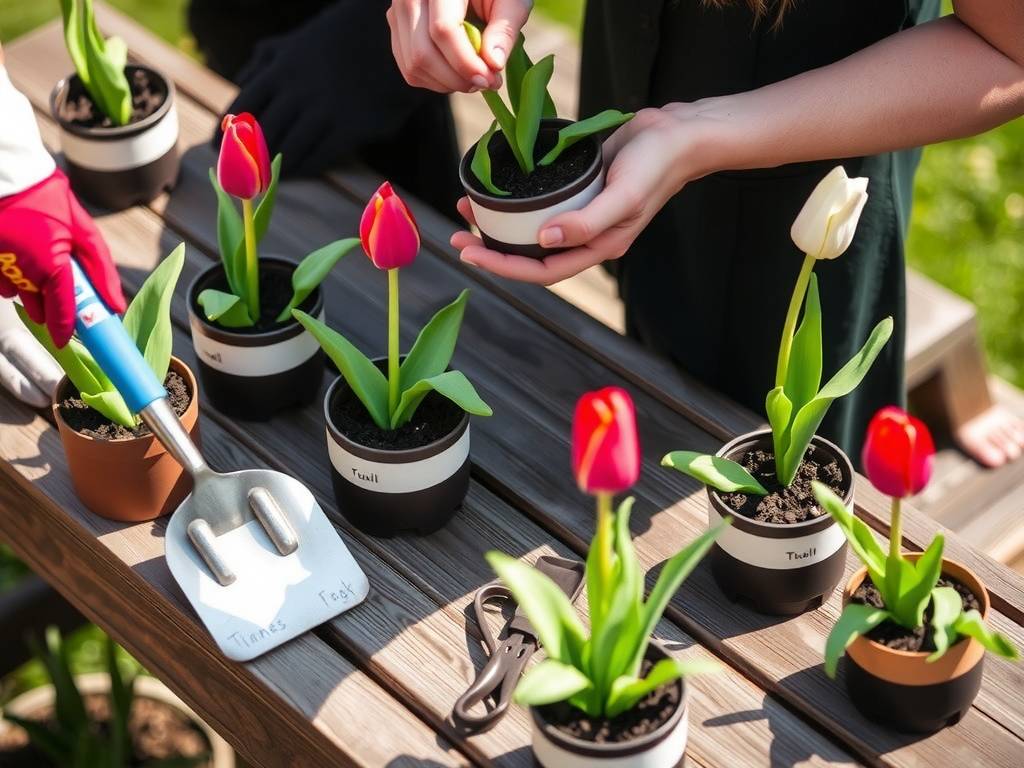
Before we dive into the solutions, it's crucial to understand why tulips lodge in the first place. In garden beds, they have cool soil and ample space for root run. In containers, the environment is vastly different. Factors like excessive nitrogen, insufficient light, warm temperatures, and even certain tulip varieties with naturally longer stems can lead to weak, elongated growth that cannot support the flower head. Our goal with dwarfing treatment is not to stunt the plant, but to encourage stronger, shorter, and more resilient growth.
Selecting the Right Varieties for Potted Success
Your journey to non-lodging potted tulips begins at the selection stage. Not all tulips are created equal for container life.
- Opt for Shorter, Sturdier Cultivars: Look for varieties classified as "botanical tulips," "species tulips," or those specifically noted as dwarf or short-stemmed. Excellent choices include Tulipa humilis, Tulipa tarda, and cultivars from the Greigii and Kaufmanniana groups. For classic Darwin Hybrid or Triumph tulips, seek out varieties bred for shorter stems.
- Bulb Quality is Paramount: Always start with firm, healthy bulbs free of mold or soft spots. Larger bulbs within a variety often produce stronger stems and bigger flowers, giving you a head start.
The Core Dwarfing Treatment Protocol
This multi-faceted approach combines environmental control and cultural practices to achieve that elegant form.
1. The Foundation: Planting for Stability
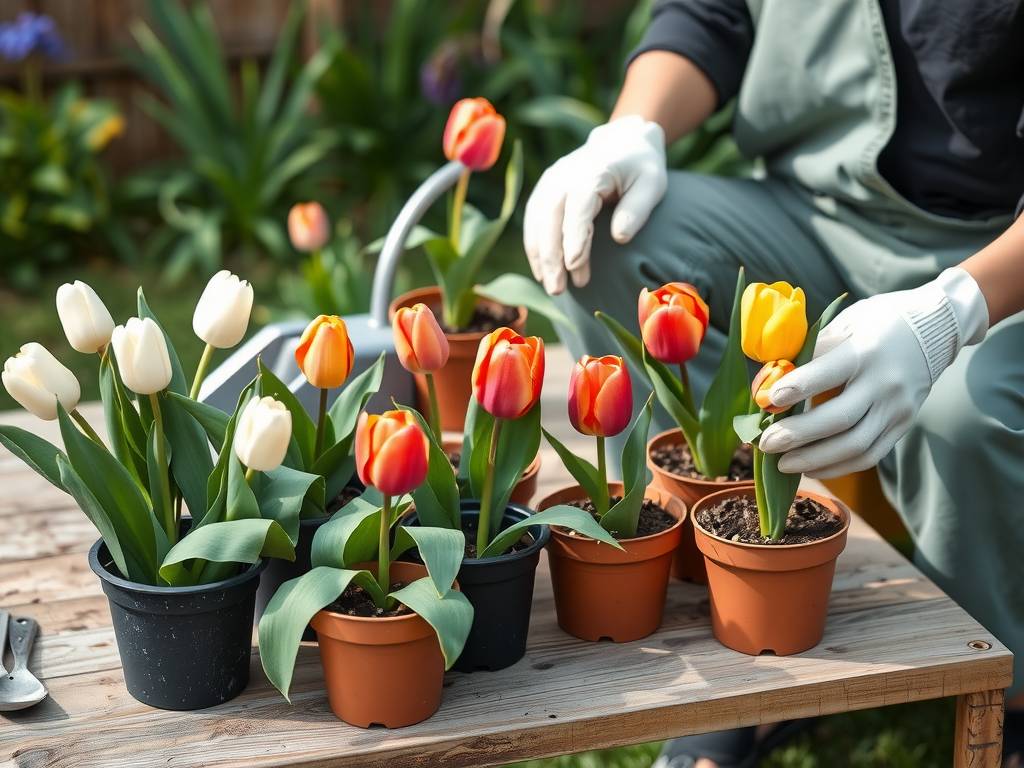
- Pot and Soil: Choose a pot with excellent drainage that is deep enough to allow for adequate root development—at least 12 inches deep is ideal. Use a well-draining, soilless potting mix. Avoid rich, heavy garden soil or compost-heavy mixes that retain too much moisture and can promote soft growth.
- Planting Depth and Density: Plant bulbs at the recommended depth (usually about 3 times the bulb's height) but consider slightly deeper planting for extra stem support. Planting bulbs closer together than in the ground—almost touching—can provide mutual support as they grow.
2. Mastering the Temperature for Compact Growth Temperature manipulation is the most powerful tool for dwarfing treatment. Tulip stems elongate rapidly in response to warmth.
- The Crucial Cold Period: After planting, pots must experience a sustained cold period (35-48°F / 2-9°C) for 12-16 weeks to simulate winter. This can be in a dark, cold garage, an unheated basement, or a dedicated refrigerator (keep away from ripening fruit). This process, called vernalization, is non-negotiable for root development and proper flowering.
- Controlled Emergence: When bringing pots into growth conditions, avoid placing them immediately in a hot room. Start them in a cool, bright location (around 50-60°F / 10-15°C) for a week or two. This "cool start" encourages the stem to develop strength before the flower bud rapidly expands.
- Avoid Heat Stress During Growth: Keep growing tulips away from direct heat sources like radiators or vents. Consistently cool ambient temperatures are key to slowing stem elongation.
3. Strategic Watering and Fertilizing
- Water Wisely: Overwatering is a fast track to weak growth and bulb rot. Water thoroughly when the top inch of soil feels dry, then allow the pot to drain completely. Slightly drier conditions are better than constantly soggy soil.
- Fertilizer with Finesse: Skip high-nitrogen fertilizers, which promote leggy, green growth at the expense of flower strength. At planting, you can mix a balanced, slow-release granular fertilizer into the potting mix. Once growth appears, a single application of a low-nitrogen, high-potassium fertilizer (like a tomato feed) can support stem and flower strength without promoting elongation.
4. Maximizing Light for Strong Stems
- Seek Abundant, Direct Light: As soon as shoots appear, provide the brightest light possible. A south-facing window is ideal. Rotate the pot a quarter turn daily to prevent stems from leaning toward the light.
- Supplement if Necessary: In low-light environments, consider using a simple grow light placed a few inches above the foliage for 12-14 hours a day. Ample light is critical for producing thick, photosynthesis-fueled stems that resist lodging.
Advanced Tips for Ensuring Non-Lodging Form
For those seeking guaranteed results, these extra steps can make a significant difference.
- Use a Plant Growth Regulator (PGR): Commercial growers often use specific chemicals to control plant height. For home gardeners, a natural option is a spray containing lime sulfur or products with the active ingredient chlormequat chloride, applied at the early leaf stage. Always follow label instructions meticulously. Research from the University of Horticulture shows that targeted PGR application can reduce stem length in potted bulbs by up to 30% without affecting bloom size.
- Provide Physical Support Early: Don't wait for stems to bend. Insert slim, green stakes or a discreet wire support ring around the foliage cluster early in growth. The plant will grow to conceal the support, and it acts as an insurance policy against sudden lodging.
- Strategic Placement: Even with the best care, strong winds or accidental bumps can cause damage. Place your potted tulips in a protected location away from high-traffic areas and drafts.
From Bloom to Dormancy: Post-Flowering Care
Maintaining the health of your bulb for future seasons is part of holistic care.
- Deadheading: Once the flower fades, snip off the spent bloom head to prevent seed production, which drains energy from the bulb.
- Leaf Nourishment: Allow all the foliage to remain until it turns completely yellow and withers. This process allows the bulb to photosynthesize and store energy for next year's cycle.
- Seasonal Storage: For bulbs you wish to re-use, stop watering once foliage is dead. Dry the bulbs, clean off soil, and store them in a cool, dark, dry place (in a paper bag or mesh net) until the next fall planting season.
Can I use the same dwarfing techniques for other potted flowers like daffodils or hyacinths? Absolutely. The principles of cool temperature management, bright light, and careful fertilization apply broadly to many spring-flowering bulbs in containers to prevent leggy growth. Hyacinths and dwarf daffodils, in particular, respond very well to these methods.
My tulip stems are already starting to bend. Is it too late to save them? Not necessarily. You can provide immediate staking to gently tie and support the stem. Move the pot to a cooler location immediately to halt further elongation. While you can't shorten an already elongated stem, you can prevent it from getting worse and support the current bloom.
How often should I water my potted tulips during the cold treatment period? During the initial cold storage period, the goal is to keep the soil barely moist, not wet. Water the pot thoroughly once at planting time before chilling. Check monthly; if the soil feels bone dry several inches down, give it a very light watering. Overwatering during this phase is the most common cause of bulb rot.
Achieving elegant, non-lodging potted tulips is a rewarding exercise in precision plant care. By focusing on the pillars of variety selection, controlled temperatures, strategic feeding, and abundant light, you actively guide your tulips toward a compact and sturdy form. Remember, the extra effort put into the dwarfing treatment process pays off dramatically when you are greeted by perfectly proportioned, graceful blooms that stand tall throughout their entire display. With these practices, the disappointment of flopping flowers becomes a thing of the past, replaced by the consistent joy of a perfectly formed potted tulip display.