bluename
 How to Care for Ground Lilies: Division Propagation to Double Blooms Next Year
Are you looking at your patch of ground lilies, wondering why they seem overcrowded and produce fewer flowers each season? You’re not alone. Many gardeners face the challenge of lily clumps that have become too dense, leading to stunted growth and disappointing blooms. The good news is that a simple, timely technique can revitalize your plants and dramatically increase their floral display. The secret lies in mastering division propagation. By learning how to properly divide and care for your ground lilies, you can ensure healthier plants and potentially double the number of stunning blooms in your garden next year.
Understanding Your Ground Lilies
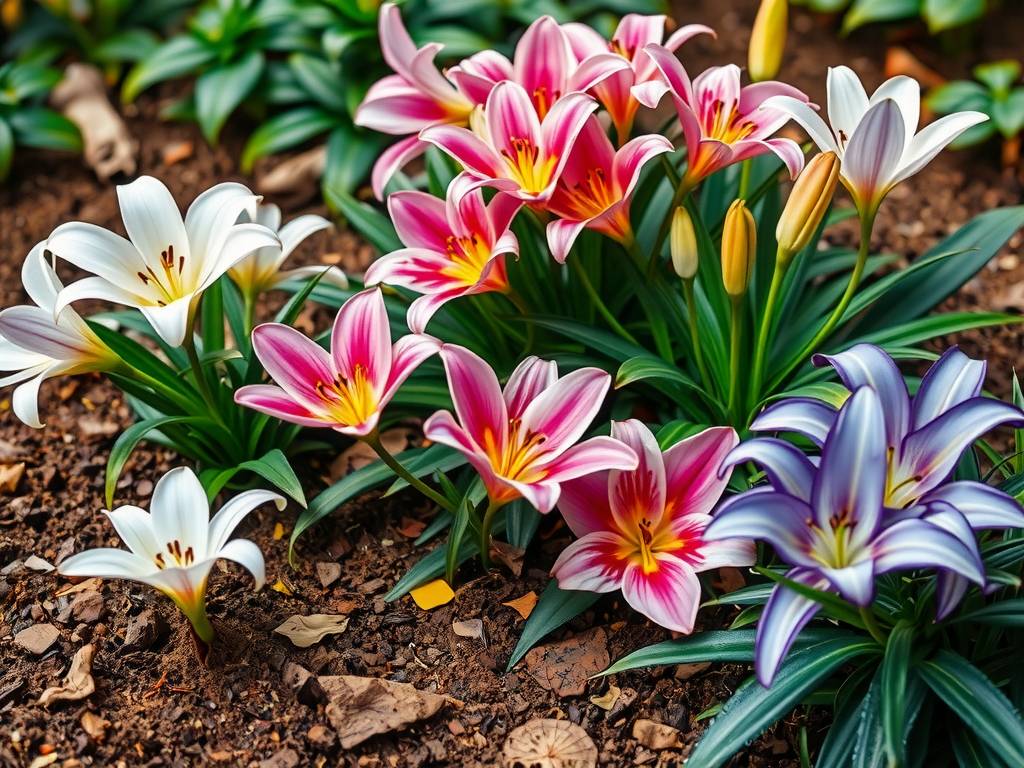
Ground lilies, often referring to hardy perennial lilies like Asiatic, Oriental, or even daylilies (Hemerocallis), grow from bulbs or tuberous roots. Over time, a single bulb multiplies underground, forming a large clump. While this sounds like a success story, it eventually leads to competition for nutrients, water, and space. The result? Smaller flowers, shorter stems, and an overall decline in plant vigor. Recognizing this cycle is the first step toward proactive and effective lily care.
The Essential Guide to Division Propagation
Division is the cornerstone of rejuvenating perennial lilies. It’s not just about creating more plants; it’s about giving the existing ones the room they need to thrive. This process directly addresses the core issue of overcrowding, setting the stage for a spectacular bloom boost.
When to Divide Lily Clumps
Timing is everything. The best period for dividing most ground lilies is in the fall, after the foliage has yellowed and died back, or in early spring just as new growth begins to peek through the soil. Fall division allows the plants to establish roots in their new location before winter dormancy, while spring division lets you see the new shoots clearly. Avoid dividing when the plant is in active bloom or during the heat of summer, as the stress can be too great.
Step-by-Step Division Process
Follow these clear steps for successful lily propagation through division.
- Prepare the Area: Start by watering the lily clump thoroughly a day before you plan to divide. This loosens the soil and reduces shock to the roots.
- Dig Up the Clump: Using a garden fork or spade, carefully dig in a wide circle around the clump. Lift the entire mass out of the ground, trying to keep the root ball intact.
- Gently Separate: Wash off excess soil with a gentle spray of water so you can see the individual bulbs, rhizomes, or fans of leaves. For lilies growing from bulbs, you can often gently pull them apart by hand. For tightly packed daylily crowns, you may need to use two garden forks inserted back-to-back into the center of the clump and lever them apart, or use a clean, sharp knife to cut through the crown, ensuring each division has at least 3-4 healthy fans or shoots and a good portion of roots attached.
- Inspect and Trim: Discard any bulbs that are soft, rotten, or damaged. Trim any excessively long or broken roots to encourage new growth. You can also trim the foliage back by about one-third to reduce moisture loss after replanting.
Replanting for Future Success
How you replant your divisions is just as important as the division itself. This is where you lay the foundation for next year’s double blooms.
Choose a sunny to partly shaded location with well-draining soil. Lilies hate "wet feet." Enrich the planting hole with compost or well-rotted manure to provide essential nutrients. Plant each division at its original depth—usually about 2-3 times the height of the bulb. Space them at least 12 to 18 inches apart to give them ample room to grow for several years without becoming crowded again. Water the newly planted divisions deeply to settle the soil around the roots.
Post-Division Care for Maximum Blooms
Division is a reset button, but ongoing care determines the level of success. Consistent care post-division ensures the plants recover quickly and channel their energy into producing robust blooms.
Watering and Mulching
Keep the soil consistently moist but not soggy for the first few weeks after division and replanting. Applying a 2-3 inch layer of organic mulch, such as shredded bark or straw, around the plants helps retain moisture, suppress weeds, and regulate soil temperature. As noted by horticulturist Dr. Linda Chalker-Scott, a well-mulched garden mimics natural forest floors, promoting healthier root systems.
Feeding for Flourishing Flowers
To fuel the growth that leads to double blooms, feeding is crucial. In early spring, as shoots emerge, apply a balanced, slow-release fertilizer or one specifically formulated for bulbs and flowers. A second, lighter feeding after the blooms have faded can help the plant rebuild its bulb energy for the next season. Avoid high-nitrogen fertilizers, which promote leafy growth at the expense of flowers.
Winter Protection and Ongoing Maintenance
For lilies divided in the fall, a good mulch layer after the ground freezes will protect the new divisions from harsh temperature fluctuations. Throughout the growing season, deadhead spent flowers by removing the faded blooms. However, do not cut back the foliage until it has completely yellowed; the leaves are crucial for photosynthesis, which replenishes the bulb for the next year’s performance.
My lilies have lots of leaves but no flowers. What’s wrong? This is a classic sign of overcrowding or insufficient sunlight. The plants are putting energy into survival and foliage rather than reproduction (blooms). Division, as outlined above, is likely the solution. Also, ensure they receive at least 6 hours of direct sunlight daily.
Can I divide lilies right after they finish blooming? It’s best to wait. Dividing immediately after blooming shocks the plant while it’s still trying to store energy in the bulb. For the health of the plant, wait until the foliage begins to die back in fall or until early spring.
How often should I divide my ground lilies? A general rule is to divide lilies every 3-4 years. However, let the plants be your guide. If you notice a decrease in bloom size or quantity, or if the center of the clump seems dead while growth is only vigorous on the edges, it’s time to divide.
By embracing the practice of division propagation, you transform a routine gardening task into a powerful strategy for bloom abundance. It’s a direct intervention that solves the primary problem of declining performance. With the steps of timely division, careful replanting, and attentive seasonal care, you provide your ground lilies with the foundation they need not just to survive, but to thrive. The reward for this effort is a garden bed rejuvenated with vitality, promising a display of double, vibrant blooms that will be the highlight of your garden next season. Start planning your division project this fall or spring, and look forward to a spectacular floral payoff.