bluename
 How to Care for Potted Lilies: Deep Bulb Planting to Prevent Lodging
There's nothing more disheartening for a gardener than watching your once-majestic potted lilies, with their vibrant blooms and elegant stems, suddenly bend, flop, or even snap over. This common frustration, known as lodging, can turn a stunning centerpiece into a messy, disappointing eyesore. Often, the culprit isn't a lack of water or sunlight, but a fundamental error made at the very beginning: planting the bulbs too shallowly. This guide will walk you through the essential steps of how to care for potted lilies, with a laser focus on the critical technique of deep bulb planting to ensure your lilies stand tall and proud all season long.
Understanding the Lily: Why Deep Planting is Non-Negotiable
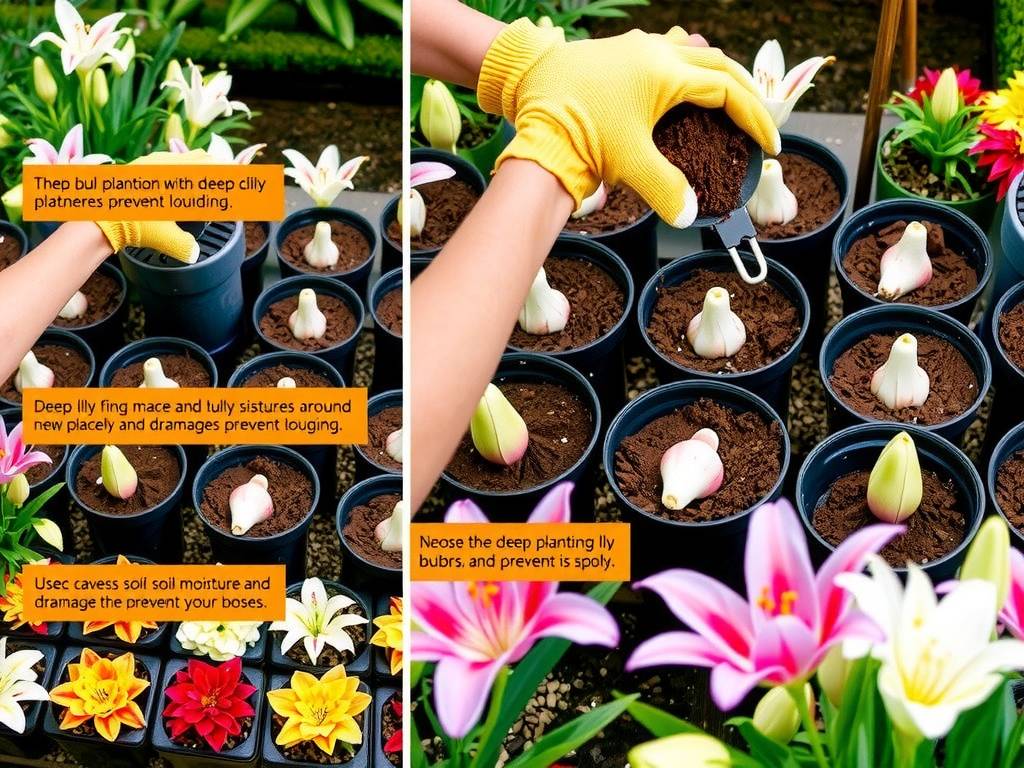
Lilies are not like most common bulbs. Tulips and daffodils have a relatively simple structure, but lilies possess a unique root system that demands specific planting depth. A lily bulb produces two distinct types of roots.
First, the basal roots emerge from the bottom of the bulb, anchoring it and absorbing water and nutrients. More importantly, lily bulbs generate stem roots from the section of the stem that grows below the soil surface. These stem roots are absolutely vital for stability and health. They provide crucial support to hold the heavy flower-laden stem upright and act as a secondary nutrient-gathering system. If a bulb is planted too shallowly, these stem roots cannot develop properly, leaving the plant with a weak foundation prone to lily stem lodging.
The Step-by-Step Guide to Deep Planting Potted Lilies
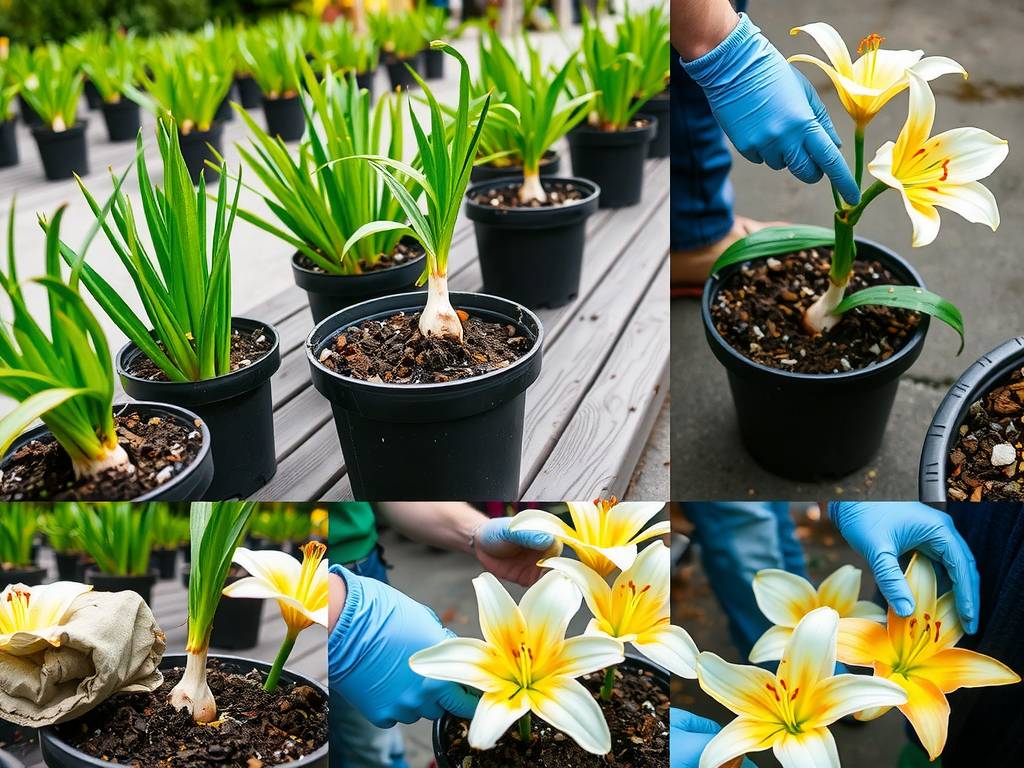
Getting your lilies off to the right start is the single most effective way to prevent problems later. Let's break down the process.
Choosing the Right Container and Soil Your pot selection is the first line of defense. Choose a container that is at least 12 to 15 inches deep to accommodate deep planting. Ensure it has excellent drainage holes. As Dr. Eleanor Green, a horticulturist specializing in geophytes, notes, "Lily bulbs are prone to rot in stagnant water. A deep, well-draining pot is not a luxury; it's a necessity for healthy root and stem development."
Use a high-quality, loose potting mix. A blend designed for containers, perhaps amended with a handful of perlite or coarse sand, is ideal. Heavy, clay-rich garden soil will compact in pots and hinder root growth.
The Deep Planting Technique: How Deep is Deep Enough? This is the core of preventing lily lodging in pots. The general rule is to plant the bulb at a depth equal to three times the height of the bulb itself. For a typical 2-inch tall bulb, you need a 6-inch depth of soil below the bulb.
- Fill your pot with about one-third of your potting mix.
- Place the bulb, pointed end up, on the soil bed. If you're planting multiple bulbs, space them about 4-5 inches apart.
- Now, cover the bulb completely with soil until you have reached the correct final depth. For our example, add approximately 6 more inches of soil on top of the bulb. The top of the soil should now be several inches below the rim of the pot to allow for watering.
- Water the pot thoroughly until water runs freely from the drainage holes. This settles the soil and initiates root growth.
This depth ensures the developing stem has ample underground space to produce a robust network of supportive stem roots before it ever breaks the soil surface.
Ongoing Care for Sturdy, Upright Lilies
Proper planting sets the stage, but consistent care keeps your lilies thriving and upright.
Watering and Feeding for Strength Keep the soil consistently moist but never soggy. Deep, infrequent watering encourages roots to grow downward, seeking moisture and creating a stronger anchor. When buds begin to form, introduce a balanced, water-soluble fertilizer every two weeks. A fertilizer higher in potassium (the third number on the label) can promote stronger stem cell walls, directly contributing to sturdy lily stems in containers.
Providing Physical Support Even with deep planting, some tall oriental or trumpet lily varieties may benefit from subtle support. Insert a slim bamboo stake or a decorative plant ring into the pot early in the season, being careful to avoid damaging the buried bulb. Loosely tie the stem to the support as it grows. This is a preventative measure, not a correction for already-lodged stems.
Addressing Common Causes of Weakness Lilies that stretch for light become leggy and weak. Ensure your potted lilies receive at least 6 hours of direct sunlight daily. Also, be vigilant for pests like aphids, which can weaken new growth. A strong blast of water or an insecticidal soap can manage minor infestations.
What to Do If Your Lilies Have Already Fallen Over
If you're reading this with a pot of lodged lilies, don't despair. You can perform a gentle rescue. Carefully mound additional potting mix around the base of the stem to provide immediate, albeit temporary, support. For the future, note the variety; some are naturally more top-heavy and will always require staking, even with perfect planting.
Frequently Asked Questions
Can I plant lily bulbs more shallowly if my pot isn't deep enough? It is strongly discouraged. Shallow planting is the primary cause of weak stems and lodging. If you lack a deep pot, choose a shorter lily variety specifically bred for containers, or consider planting in the ground where depth is easier to achieve.
My lily stems seem thin and are leaning. Is it too late to add more soil? You can gently add soil to mound around the base, which can help. However, the underlying issue of underdeveloped stem roots cannot be fully corrected mid-season. Focus on proper deep planting for the next bulb cycle.
How often should I repot or refresh the bulbs? Potted lilies deplete nutrients quickly. For the best performance and to prevent gradual weakening, it's advisable to lift the bulbs after the foliage dies back in the fall. Refresh the potting mix entirely and replant with new, healthy bulbs the following season, or store the existing bulbs in a cool, dry place over winter before replanting.
Mastering the care of potted lilies truly begins beneath the surface. By prioritizing deep bulb planting, you build an invisible foundation of strength that supports everything above: the straight stem, the lush leaves, and the breathtaking, upright blooms. Pair this foundational technique with consistent watering, feeding, and sunlight, and you'll transform your gardening experience from battling floppy stems to simply enjoying the resilient, towering beauty of your potted lilies season after season.