bluename
 How to Care for Ground Roses - Cold & Drought Tolerant for Vigorous Growth
Are you dreaming of a lush, flower-filled garden that thrives with minimal fuss? Do harsh winters or dry summers leave your plants struggling? If so, you've likely considered ground roses. These resilient beauties are celebrated for their toughness and prolific blooms. But even the most cold and drought tolerant varieties need the right start and care to reach their full, vigorous potential. This guide will walk you through every step, transforming you from a hopeful gardener into a confident ground rose expert.
Understanding Your Hardy Ground Cover Roses
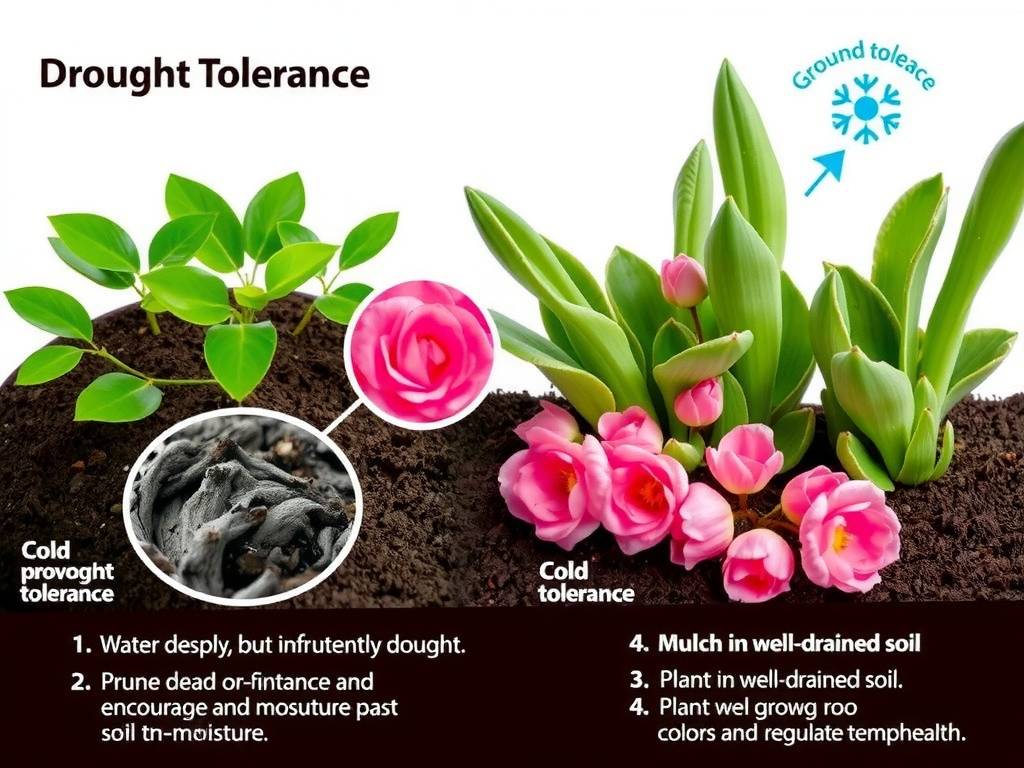
Before we dig into the care details, let's clarify what makes these plants special. Ground cover roses, often called landscape roses, are bred for hardiness and spread. They typically grow low and wide, forming a dense mat of foliage and flowers that suppresses weeds. The best cultivars boast exceptional cold tolerance, surviving deep freezes, and impressive drought resistance once established. This dual resilience makes them a top choice for sustainable, low-maintenance landscaping. Their vigorous growth habit is key to their beauty and function.
Selecting the Perfect Cold and Drought Tolerant Variety
Your success begins at the nursery. Not all ground roses are created equal. For maximum resilience, look for these proven performers:
Drift® Roses: A cross between ground covers and miniatures, they are exceptionally disease-resistant and bloom continuously from spring to frost. Varieties like 'Coral Drift' offer stunning color with high hardiness.
Flower Carpet® Roses: Marketed as "America's #1 Groundcover Rose," this series is renowned for its immunity to common rose diseases and its ability to thrive in tough conditions with minimal chemical intervention.
The Knock Out® Family: While some grow more shrub-like, several low-growing members provide the same legendary disease resistance and repeat blooming that made the family famous.
Always check the USDA hardiness zone rating. A zone 4 or 5 rating ensures excellent cold tolerance. For drought resistance, look for descriptions like "heat-tolerant" or "water-wise."
Planting for Success: Location and Soil Secrets
Planting is the most critical step for establishing a vigorous ground rose. Get this right, and you set the stage for years of easy care.
Sunlight is Non-Negotiable Ground roses need a minimum of 6 to 8 hours of direct sunlight daily. More sun equals more flowers, stronger plants, and better resistance to disease and environmental stress. Full sun exposure is crucial for developing deep roots that enhance drought tolerance.
Soil Preparation for Vigorous Growth These roses are adaptable but despise soggy feet. Well-draining soil is paramount. If you have heavy clay, amend it with several inches of compost or well-rotted manure. This improves drainage, adds nutrients, and creates a loose structure that encourages roots to spread deeply. A slightly acidic to neutral pH (6.0-7.0) is ideal.
The Planting Process Dig a hole as deep as the root ball and twice as wide. Gently loosen the roots if they are pot-bound. Place the plant in the hole, ensuring the graft union (the knobby base) is at or just above soil level. Backfill with the native soil mixed with compost, water thoroughly to settle, and apply a 2-3 inch layer of organic mulch like wood chips. Mulch conserves moisture, regulates soil temperature, and suppresses weeds—key for promoting vigorous growth.
Mastering the Watering Routine for Drought Resilience
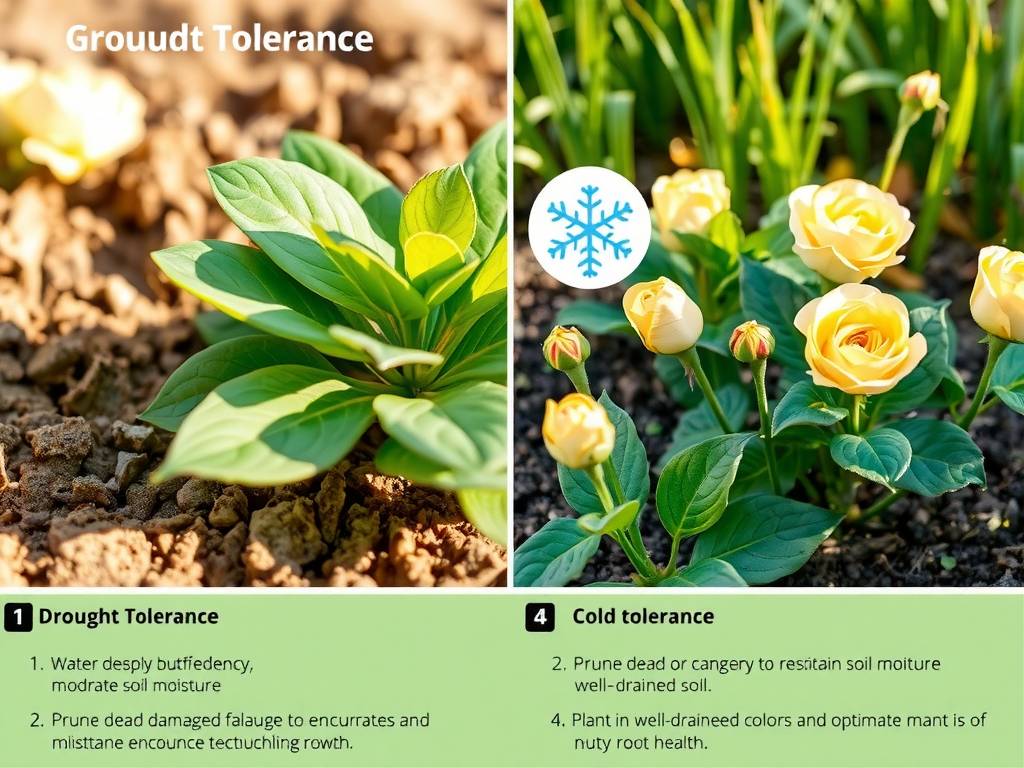
Proper watering builds true drought tolerance. The goal is to train the roots to seek water deep in the soil.
The Establishment Phase (First Growing Season): This period requires consistent moisture. Water deeply 2-3 times per week, allowing water to penetrate 8-10 inches into the soil. Avoid frequent, light sprinklings that encourage shallow roots.
The Maintenance Phase (After Establishment): Your plants are now drought tolerant. Water only when the top few inches of soil are dry. Then, provide a slow, deep soak. This method encourages profound root systems that can access water reserves during dry spells. According to horticulturists at the University of Minnesota Extension, deep, infrequent watering is the single best practice for developing drought-resistant perennial plants.
Seasonal Fertilizing for Continuous Blooms
While tough, ground roses are heavy bloomers and benefit from feeding. Use a balanced, slow-release fertilizer (like a 10-10-10 or organic rose formula) in early spring as new growth emerges. A second, lighter application in midsummer can fuel blooms into fall. Avoid fertilizing late in the season, as this can promote tender new growth vulnerable to frost damage. Compost or manure tea are excellent organic alternatives that support soil health.
Pruning for Health and Vigorous Growth
Pruning ground roses is simple. In early spring, before new growth starts, remove any dead, damaged, or diseased wood. Then, simply shear or trim the entire plant back by about one-third to one-half its height. This cleans up winter damage, encourages dense, bushy new growth, and triggers a massive flush of flowers. Throughout the season, deadhead spent blooms to encourage more.
Winter Protection for Maximum Cold Tolerance
Even cold-hardy varieties appreciate a little help in harsh climates. After the first hard frost, mound 4-6 inches of soil, compost, or shredded leaves over the base of the plants. This protects the crown and graft union from freeze-thaw cycles. Avoid using whole leaves, which can mat down and cause rot. In spring, gently remove the mound as new growth begins.
Troubleshooting Common Issues
The disease resistance of modern ground roses is a major selling point. Good air circulation (from proper spacing) and watering at the soil level (not on the leaves) prevent most fungal issues. Aphids may appear but are often controlled by natural predators like ladybugs. A strong blast of water from the hose is usually sufficient treatment.
How often should I really water my established drought tolerant ground roses? There's no universal schedule. The "finger test" is best. Insert your finger into the soil near the plant. If the top 2-3 inches are dry, it's time for a deep, thorough watering. This may be every 10-14 days in cooler weather or weekly during a severe heatwave.
Can I plant ground cover roses on a slope? Absolutely. Their dense, soil-holding roots make them excellent for erosion control on slopes. Ensure each plant has a slight terrace or well around it to catch water initially, allowing it to soak in rather than run off.
Why aren't my cold hardy roses blooming as much as expected? The three most common culprits are insufficient sun (less than 6 hours), inadequate water during the establishment phase, or a lack of nutrients. Review your plant's location and your care routine. A soil test can reveal nutrient deficiencies.
With the right variety, a sunny spot, and proper planting, caring for ground roses becomes remarkably straightforward. Their innate cold and drought tolerance allows them to flourish with basic attention. By following these steps—deep watering to build resilience, strategic feeding, and simple pruning—you'll be rewarded with a breathtaking carpet of color that grows more vigorous and beautiful with each passing season. These plants are designed to succeed, letting you enjoy a stunning landscape with less work.