bluename
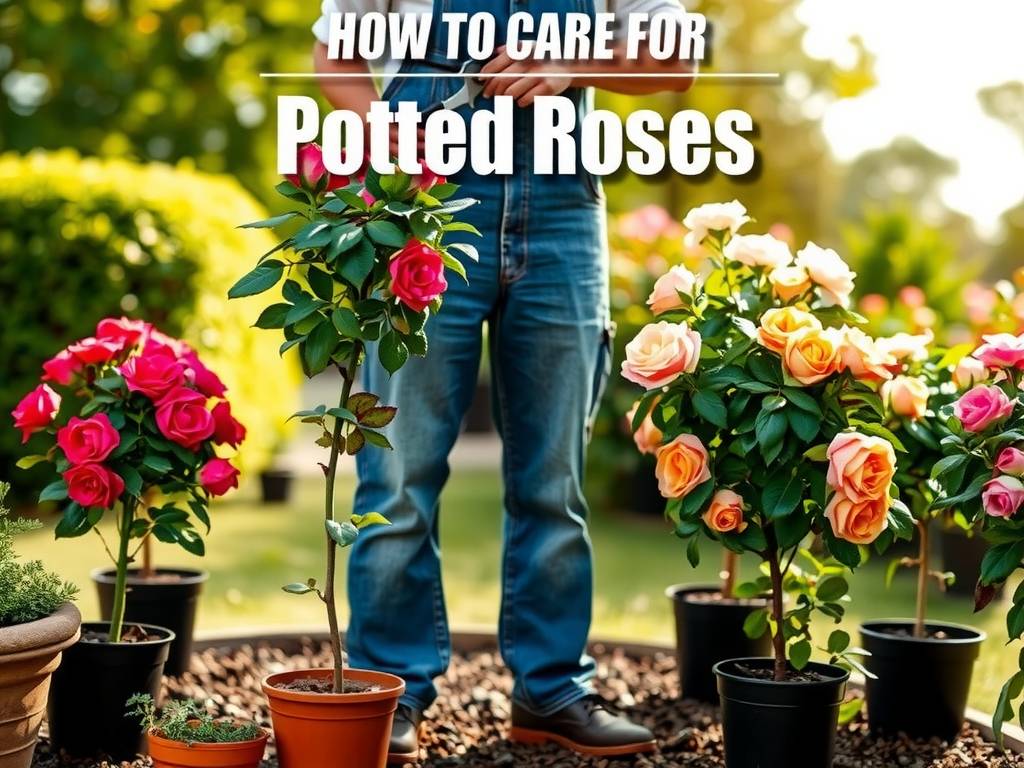
 How to Care for Potted Roses - Prune to Shape for a Longer Blooming Period
Is your potted rose bush looking leggy, sparse, or blooming less each season? You water it faithfully and provide sunlight, yet the vibrant, continuous blooms you desire seem elusive. The secret often lies not just in basic care, but in the strategic art of pruning. Learning how to care for potted roses effectively, with a focus on shaping through pruning, is the key to transforming your plant into a lush, floriferous centerpiece that delights for months on end.
Proper pruning directs the plant's energy towards producing strong new growth and abundant flowers rather than sustaining weak, unproductive stems. It improves air circulation, reduces disease risk, and maintains an attractive shape perfect for container growing. This guide will walk you through the why, when, and how of pruning potted roses to maximize their health and dramatically extend their blooming period.
Why Pruning is Essential for Potted Rose Health and Blooms
Pruning is far more than just cutting back a plant. For roses in containers, it's a vital cultivation practice. Container roses have limited root space and resources compared to their in-ground counterparts. Strategic pruning ensures the plant's structure is in balance with its root system.

It removes dead, damaged, or diseased wood, preventing problems from spreading. Most importantly, it stimulates the growth of new, vigorous canes from the base or from lower buds. These new canes are the ones that will produce the best flowers in the coming season. A well-pruned rose is less stressed, more resilient, and channels its energy into creating blooms rather than maintaining excessive foliage.
The Best Time to Prune Your Potted Roses
Timing is critical for successful pruning. The primary pruning for shaping and encouraging major new growth is done during the dormant season, typically in late winter or early spring, just as the buds begin to swell but before new leaves unfurl. This timing allows the plant to direct all its spring energy into the buds you leave behind.
However, maintenance pruning for longer blooming period encouragement happens throughout the growing season. This is called "deadheading" – the removal of spent flowers. By cutting off faded blooms, you prevent the plant from putting energy into seed production (rose hips) and instead spur it to produce new flowering shoots. Regular deadheading is arguably the single most effective practice for keeping your potted rose in continuous bloom from spring until fall.
Tools You'll Need for the Perfect Prune
Using the right tools makes the job easier and protects your plant. You will need a pair of sharp, clean bypass pruners for most cuts. Bypass pruners make a clean, scissor-like cut that heals quickly. For older, thicker canes on established roses, a pair of sharp loppers may be necessary.
Always ensure your tools are disinfected before you start, especially when moving between plants. You can use a solution of isopropyl alcohol or a diluted bleach mix. This prevents the accidental spread of fungal spores or bacteria. Keep a sharpening stone handy to maintain a keen edge; a clean cut is a healthy cut.
Step-by-Step Guide: How to Prune Potted Roses to Shape
Follow this systematic approach during your late winter/early spring pruning session to shape your rose for optimal health and blooms.
Step 1: Remove the Three D's
Begin by removing any dead, diseased, or damaged wood. Cut these canes back to their point of origin or to healthy, green tissue. Look for canes that are discolored, shriveled, or have cankers. Removing this material first clears the clutter and lets you see the plant's true structure.
Step 2: Open Up the Center
Aim to create an open, vase-like shape. Remove any canes that are growing inward toward the center of the plant. This improves air circulation and light penetration to the interior, which reduces fungal diseases like powdery mildew and black spot. An open structure allows every leaf to breathe and receive sunlight.
Step 3: Cut for Shape and Size
Now, shape the overall plant. For potted roses, maintaining a manageable size is key. Prune to shape the bush by cutting back the remaining healthy canes by about one-third to one-half of their height. Always make your cuts at a 45-degree angle, about 1/4 inch above an outward-facing bud eye (the small, slightly swollen bump on the cane where a leaf emerges).
Cutting above an outward-facing bud encourages the new stem to grow outward, continuing the open shape. Make your cut sloping away from the bud so water runs off, not into it.
Step 4: Thin for Vigor
Finally, thin out any weak, spindly growth (smaller than a pencil in diameter). If two canes are rubbing against each other, remove the weaker one. The goal is to leave 4-7 strong, healthy, well-spaced primary canes that will form the new framework of the plant.
The Art of Deadheading for Continuous Blooms
While the major annual prune sets the stage, deadheading is the ongoing performance that delivers a longer blooming period. Here’s how to do it correctly.
As a flower fades, follow the stem down to the first set of five leaflets (not three leaflets). Make your cut about 1/4 inch above that leaf set, again at a 45-degree angle. The bud in the junction of that leaf and the stem will be stimulated to grow and produce a new flowering shoot.
Consistent deadheading, performed weekly during peak bloom, sends a relentless signal to your rose: "Make more flowers!" This practice is essential for repeat-blooming varieties like hybrid teas, floribundas, and miniature roses grown in pots.
Post-Pruning Care: Nourishing Your Shaped Rose
Pruning is a form of controlled stress. To support the burst of new growth that follows, your rose needs proper aftercare. Water the plant thoroughly after pruning. Apply a balanced, slow-release fertilizer formulated for roses as new growth appears, typically a few weeks after the spring prune.
Ensure your potted rose continues to receive at least 6-8 hours of direct sunlight daily. Monitor the soil moisture closely, as newly energized growth will increase the plant's water needs. A layer of organic mulch on the soil surface can help retain moisture and regulate root temperature.
My potted rose has lots of leaves but no flowers. What did I do wrong? This is often caused by an imbalance in fertilizer. Using a fertilizer too high in nitrogen promotes lush foliage at the expense of blooms. Switch to a fertilizer with a higher phosphorus content (the middle number in the N-P-K ratio), often marketed as a "bloom booster," and ensure your plant gets full sun. Also, review your pruning; you may not be cutting back enough to stimulate new flowering wood.
I'm afraid to cut too much. Is it better to prune lightly or heavily? For the health of the plant and to achieve the desired shape and bloom, it is generally better to prune with confidence rather than too lightly. Roses are remarkably resilient. A hard prune that removes up to half the plant during the dormant season invigorates it, leading to stronger basal breaks and more robust blooms. Light, timid pruning often results in a taller, leggier plant with flowers held high on weak stems.
Can I prune my potted rose in the fall? Avoid major pruning in the fall. Trimming roses heavily before winter can stimulate tender new growth that will be killed by frost, weakening the plant. In autumn, only remove any obviously dead or diseased wood and tidy up long, whippy canes that might whip around in the wind and damage the plant. Save the significant shaping cuts for late winter or early spring.
Mastering the craft of pruning transforms rose care from a guessing game into a rewarding practice. By understanding how to strategically remove wood to shape your potted rose and diligently deadheading spent blooms, you directly influence its vitality and flowering capacity. This proactive approach solves the common frustrations of sparse blooms and unruly growth. With clean, sharp tools and the confidence to make the right cuts, you guide your potted rose’s energy into creating a stunning display of color that lasts from the first warm days of spring until the chill of autumn. The result is not just a plant, but a thriving, blooming testament to your attentive care.