bluename
 How to Care for Anthurium Old Stalks - Care Tips for Year-Round Blooms
You've nurtured your anthurium for years, and it's grown into a lush, mature plant. But now you're noticing older, leggy stems with fewer blooms. Should you cut them? Can they rebloom? Understanding how to care for anthurium old stalks is the secret to maintaining a vibrant, flowering plant year after year. This guide will walk you through everything you need to know about managing mature anthurium growth for continuous, stunning blooms.
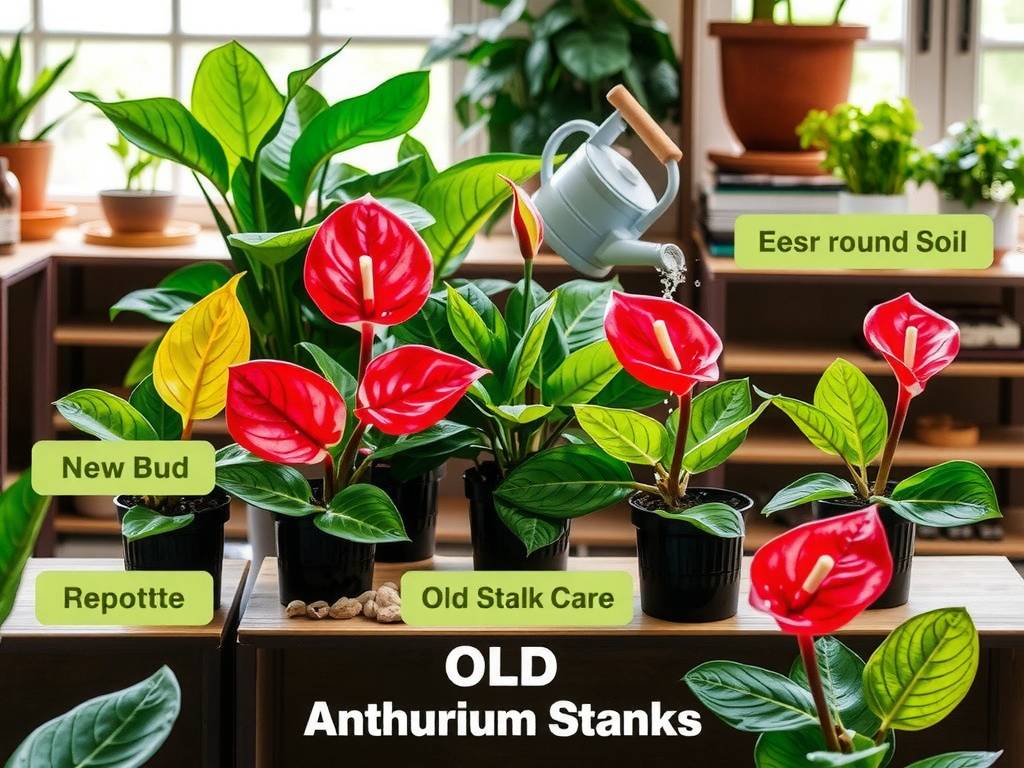
Understanding Anthurium Growth and Aging
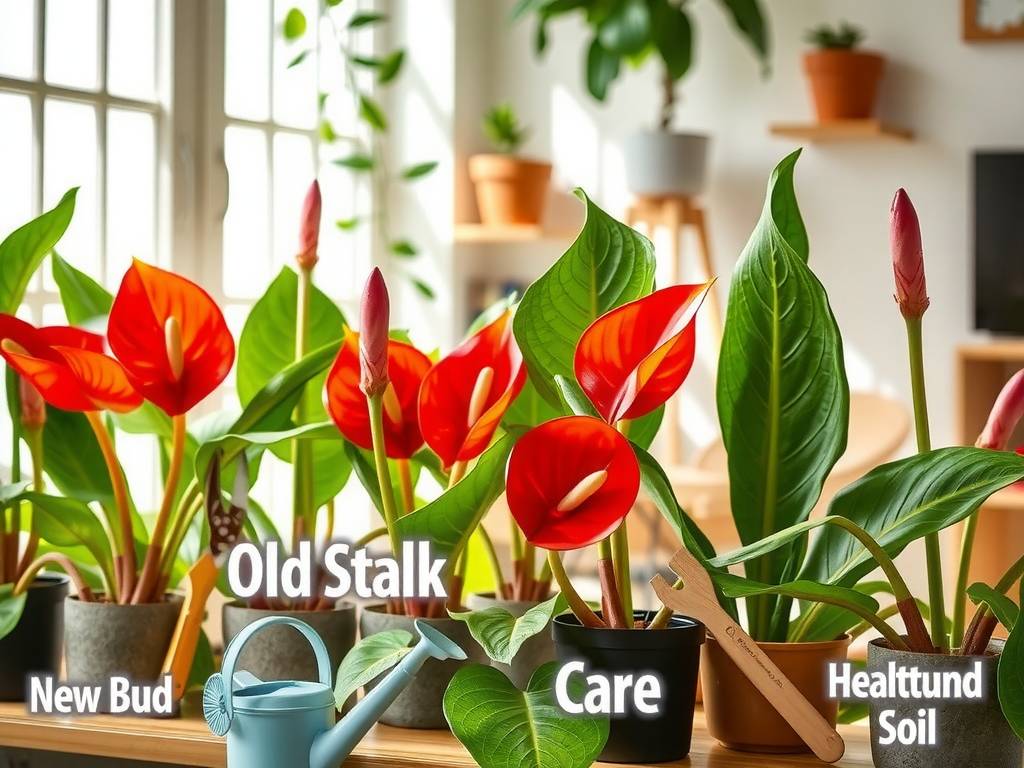
Anthuriums, also known as flamingo flowers, are perennial plants. As they mature, it's natural for older stems to become elongated, woody, or less productive. These old anthurium stalks represent the plant's history but also its potential. With proper care, you can encourage new growth from the base while deciding the best course for these mature stems.
Botanists note that anthuriums grow from a central crown, but over time, they can develop a somewhat sprawling habit. The key to year-round anthurium blooms lies in balancing the energy between established growth and fresh, new shoots.
To Prune or Not to Prune: Assessing Your Old Stalks
Not every old stalk needs immediate removal. First, evaluate its health. A stalk with several green leaves and a viable aerial root system is still contributing energy to the plant. However, a stalk that is yellowing, has lost all its leaves, or appears shriveled is a candidate for pruning.
Pruning is a vital part of anthurium plant maintenance. It redirects the plant's energy to new growth points. Use sterilized, sharp pruning shears. Cut the unwanted stalk as close to the base as possible without damaging the main crown or neighboring healthy stems. A clean cut prevents disease entry.
The Art of Pruning for Rejuvenation
Strategic pruning can stimulate your anthurium to produce new blooms. The goal isn't just to remove old growth but to shape the plant for future vitality. After flowering, you can trim back the flower stalk itself. Cut the spent bloom stalk down to its base on the leaf stem.
For overgrown plants, consider a more significant rejuvenation prune in early spring. Remove up to one-third of the oldest, longest stalks. This "hard prune" often shocks the plant into a fresh growth cycle, leading to a bushier form and more flower spikes. Horticulturist Dr. Linda Chalker-Scott emphasizes that timely pruning of perennial tropicals like anthuriums reduces internal competition for resources, directly supporting blooming anthurium care.
Optimal Care Conditions to Support All Stalks
Whether you keep old stalks or prune them, providing ideal care is non-negotiable for consistent flowering.
Light and Temperature Anthuriums need bright, indirect light to bloom. An east-facing window is perfect. Insufficient light is a top reason for bloom cessation. Maintain temperatures between 65-80°F (18-27°C) and avoid cold drafts. Consistent warmth signals the plant that it's in an optimal growing environment.
Watering and Humidity Water deeply when the top inch of soil feels dry, then let excess water drain completely. Soggy soil is a death sentence for anthurium roots. These tropical natives thrive in 60-80% humidity. Use a pebble tray or humidifier, especially in dry climates. Proper hydration supports the thick, succulent stems of both old and new growth.
Feeding for Flowers Fertilizer is crucial for sustaining anthurium flowers. Use a balanced, water-soluble fertilizer (like a 20-20-20 blend) diluted to half-strength. Apply every 6-8 weeks during the growing season (spring and summer). A fertilizer higher in phosphorus (the middle number) can further promote blooming. In fall and winter, reduce feeding to once every 3 months.
Potting and Root Care for Mature Plants
Mature anthuriums with old stalks often become root-bound. Repotting every 2-3 years refreshes the soil and gives roots space. Choose a pot only 1-2 inches larger in diameter. A well-draining, coarse potting mix is essential—a blend of orchid bark, perlite, and peat moss works wonderfully.
During repotting, you can gently divide the plant if it has multiple crowns. This is an excellent way to propagate a mature anthurium. You can also inspect the root ball and trim any dead or rotting roots. Healthy roots are firm and white or tan.
Propagating from Old Stalks: A Second Life
Don't just discard pruned stalks with aerial roots! You can propagate them. Cut a section of a healthy old stalk that includes at least one node (a brownish ring) and an aerial root. Let the cut end callous over for a few hours, then plant it in a small pot with moist sphagnum moss or aroid mix. Enclose it in a plastic bag to create humidity. With patience, it will develop new roots and leaves, giving an old stalk a brand new beginning.
Troubleshooting Lack of Blooms
If your plant, despite having mature stalks, refuses to bloom, check these factors:
- Light: It's almost always too little light.
- Pot Size: A pot that's too large directs energy to root growth, not flowers.
- Nutrients: A nitrogen-heavy fertilizer promotes leaves at the expense of blooms.
- Age: Very young plants may not bloom until they are 1-2 years old.
Frequently Asked Questions
Can an old, leafless anthurium stalk grow new leaves? It's possible but not common. If the stalk is still green and firm and has a growth node, it may produce a new shoot if placed in ideal conditions. However, the plant's energy is better spent on new basal growth. Pruning a leafless stalk is usually the best option.
How often should I fertilize my mature anthurium for blooms? During active growth in spring and summer, feed every 6-8 weeks with a half-strength balanced fertilizer. In the dormant fall and winter period, reduce to once every 12 weeks. Over-fertilizing can burn roots and inhibit flowering.
My anthurium's old stalks are very long and leaning. What should I do? This indicates the plant is stretching for light. First, move it to a brighter location with indirect light. You can stake the long stalks for support using a soft tie. For a long-term solution, consider rejuvenation pruning to encourage a more compact growth habit from the base.
Caring for anthurium old stalks is a blend of art and science—knowing when to cut, when to support, and always providing foundational care. By assessing each stalk's value, pruning with purpose, and maintaining perfect light, water, and nutrient balance, you transform an aging plant into a perpetual bloomer. Your mature anthurium isn't just surviving; it's a testament to your care, ready to dazzle with color throughout the year.