bluename
 How to Care for Anthurium Seedlings for Fast Blooming: The Bright Indirect Light Guide
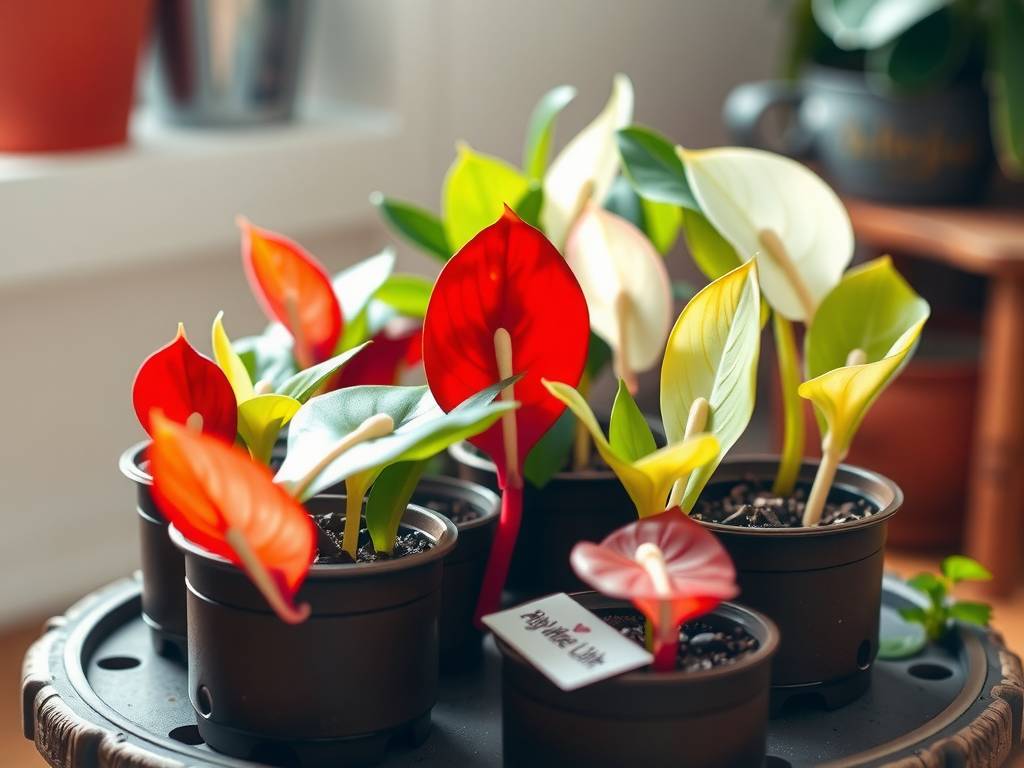
You've nurtured your anthurium from a tiny seedling, eagerly awaiting those iconic, glossy blooms. But weeks turn into months, and all you see are leaves. The disappointment is real. The secret to unlocking vibrant, fast blooming in your anthurium seedlings often boils down to one critical, yet frequently misunderstood, factor: light. Specifically, providing the perfect quality and quantity of bright indirect light is the non-negotiable key to transitioning your young plant from a foliage-only specimen to a flowering marvel.
This guide cuts through the confusion. We'll move beyond basic care and delve into the precise lighting conditions that signal to your anthurium seedling that it's time to bloom. By mastering this element, you'll create an environment where fast, abundant flowering isn't just a hope—it's an expectation.
Why Light is the #1 Blooming Trigger for Anthurium Seedlings
Anthuriums are understory plants in their native tropical habitats. They thrive beneath the forest canopy, bathed in dappled, filtered sunlight—never in direct, harsh rays. For a seedling, light acts as the primary source of energy and the most significant environmental cue.
Photosynthesis in the leaves produces the sugars needed for all growth, including the energy-intensive process of creating a flower spike (spadix) and its colorful modified leaf (spathe). Without sufficient light intensity, the plant simply lacks the resources to bloom. As noted in a study on tropical ornamental plants, light quality and duration directly influence floral initiation and development. Your anthurium care routine must prioritize light above all else for flowering success.
Decoding "Bright Indirect Light" for Optimal Growth
The term is ubiquitous, but what does it actually mean for your plant? Let's break it down.
Bright Indirect Light is strong, plentiful light that illuminates a space without casting harsh, defined shadows. A simple test: place your hand between the light source and the plant's leaves. If you see a soft, fuzzy shadow, the light is likely indirect. If the shadow is sharp and dark, it's direct sun that can scorch tender anthurium seedling leaves.
Ideal locations include an east-facing window (gentle morning sun), a few feet back from a south or west-facing window (shielded by a sheer curtain), or a spot brightly lit by reflected light. The goal is to provide the maximum possible light without the risk of leaf burn.
Your Step-by-Step Lighting Setup for Faster Flowers
Getting the light right is a systematic process, not a guess.
First, Assess Your Current Light. Spend a day observing the intended spot. How many hours of direct sun does it get? Is the light bright all day or only in the morning? Use a light meter app for a rough estimate; most flowering anthuriums need at least 200-400 foot-candles of indirect light throughout the day.
Next, Position Your Seedling Strategically. Start by placing your pot in the brightest indirect spot you have. Monitor the leaves closely for the first week. Signs of too much direct light include yellowing, brown crispy patches, or a bleached appearance. If you see these, pull the plant back or diffuse the light with a curtain.
Finally, Consider Supplemental Lighting. If your home lacks natural bright light, especially in winter, a full-spectrum LED grow light is a game-changer. Position it 12-18 inches above the seedling and run it for 12-14 hours a day to simulate long, bright tropical days. This consistent light exposure can trigger blooming when natural light is insufficient.
The Supporting Cast: Care Essentials That Work With Light
Perfect light alone won't work if other conditions are off. Think of these as essential partners to your lighting strategy.
Watering in Rhythm with Light. A seedling receiving ample light will use water more quickly. Water thoroughly when the top inch of the potting mix feels dry, allowing excess to drain. Never let the plant sit in soggy soil, as root rot will halt all progress, blooming included. Under bright light, your watering frequency may increase.
Humidity & Temperature: The Tropical Duo. Aim for humidity above 60%. Use a pebble tray or humidifier, especially in dry climates. Maintain temperatures between 70-85°F (21-29°C). A sudden cold draft or dry air can cause stress, leading the plant to drop potential flower buds.
Feeding for Flower Power. During the active growing season (spring and summer), feed your seedling with a balanced, water-soluble fertilizer diluted to half-strength every 4-6 weeks. Some experts, like horticulturist Dr. Linda Smith, recommend a formulation with a slightly higher phosphorus content (the middle number in N-P-K) to encourage blooming once the plant is mature enough. Never over-fertilize a stressed or dry seedling.
Troubleshooting: When Good Light Isn't Enough for Blooming
You've provided bright light, but still no flowers. What gives?
Is Your Seedling Mature Enough? Patience is crucial. Anthuriums grown from seed can take 1.5 to 3 years to reach blooming maturity. If your plant is still very small, it may simply be focusing energy on root and leaf development.
The Potting Mix Check. Is the medium still draining well? Over time, potting mix breaks down and can become compacted, suffocating roots. Repot every 1-2 years into a chunky, airy mix of orchid bark, perlite, and peat moss. Healthy roots are a prerequisite for flowers.
Nutrient Imbalance. Are you using a fertilizer very high in nitrogen? This promotes leafy growth at the expense of flowers. Switch to a bloom-booster formula or ensure you're using a balanced feed as described above.
How often should I water my anthurium seedling in bright light? Water only when the top layer of soil feels dry to the touch. In ideal bright indirect light, this may be once a week, but always let the plant's needs, not the calendar, guide you. The pot should feel noticeably lighter before watering.
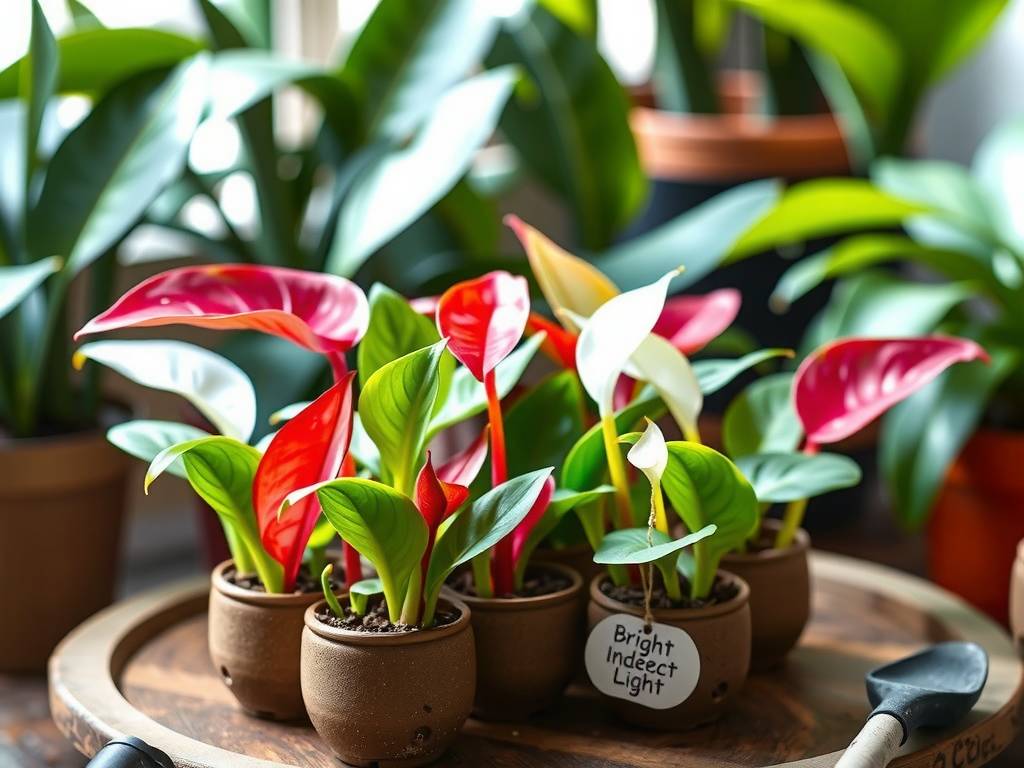
Can I use a south-facing window for my anthurium? A south-facing window can provide excellent light intensity, but the direct sun is often too strong. Place the seedling 3-5 feet back from the window or use a sheer curtain to filter the direct rays, ensuring it receives the right light conditions without the risk of scorch.
My seedling has brown leaf tips even with indirect light. Why? Brown tips are typically a sign of low humidity or inconsistent watering (either too dry for too long or water with high salts/fluoride). While light exposure drives blooming, humidity keeps the foliage healthy. Increase ambient moisture and use distilled or rainwater if your tap water is hard.
Providing consistent, bright indirect light is the most powerful action you can take to encourage your anthurium seedling to bloom quickly and reliably. Pair this luminous environment with consistent moisture, warm temperatures, high humidity, and gentle feeding. Observe your plant closely—it will tell you if the light is perfect through steady growth and, ultimately, the emergence of a promising flower spike. With this holistic approach, you’re not just growing a plant; you’re cultivating a spectacular, blooming showpiece.