 bluename
 How to Care for Philodendron Seedlings - Warm & Humid Environment for Fast Growth
You've successfully germinated your philodendron seeds, and now a tiny forest of delicate seedlings sits before you. The excitement is real, but so is the anxiety. Why are they growing so slowly? Why do the leaves look a bit pale or have brown tips? The most common hurdle new growers face is failing to replicate the tropical cradle these plants crave. The secret to robust, fast-growing philodendron seedlings lies in mastering one principle: providing a consistently warm and humid environment. This foundational care step is non-negotiable for transforming those fragile sprouts into vigorous, lush vines.
Understanding Your Philodendron Seedling's Natural Habitat
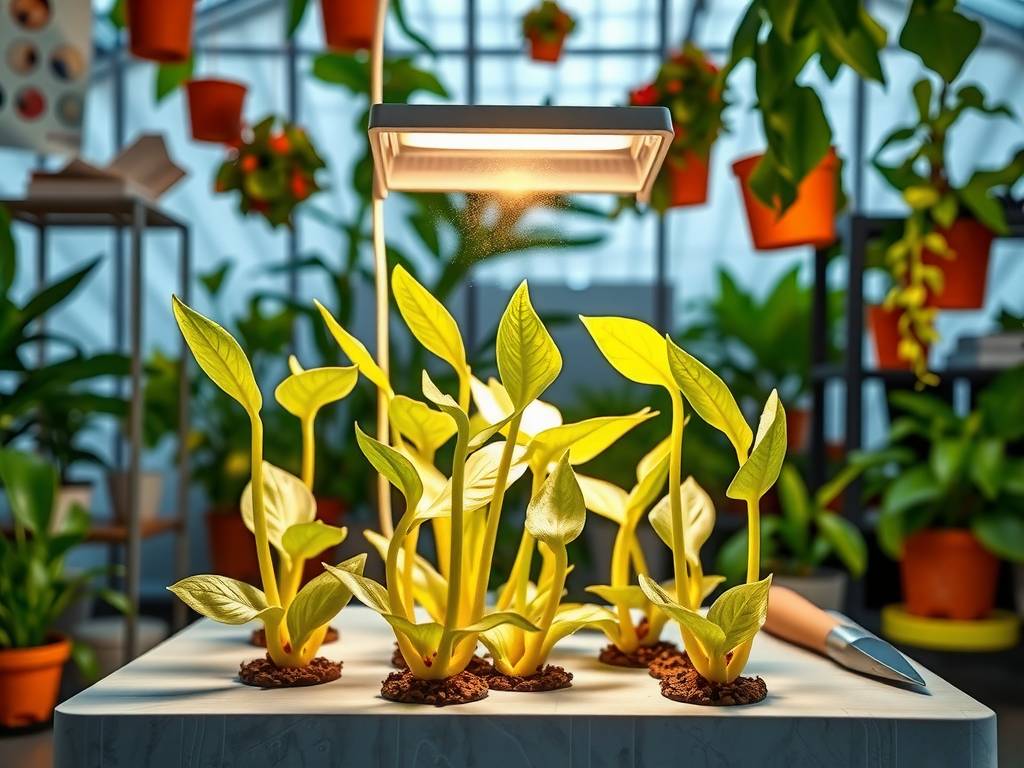
To care for them effectively, we must think like a rainforest. Philodendrons are native to the tropical understories of Central and South America. There, they thrive in dappled sunlight, with temperatures consistently between 70-85°F (21-29°C) and humidity levels often soaring above 70%. The air is moist, the soil is warm, and growth is rapid. Your goal is to mimic these conditions as closely as possible. As noted by horticulturist Dr. Linda S. Smith in Tropical Foliage Cultivation, "Seedlings, in particular, have not yet developed the robust root systems or leaf cuticles of mature plants, making them exquisitely sensitive to moisture loss and temperature swings. Stabilizing their microclimate is the single most impactful factor for early development."
Creating the Ideal Warm Environment for Growth
Temperature is the engine of growth. Philodendron seedlings perform their best metabolic processes, like photosynthesis and nutrient uptake, within a specific warm range.
The Sweet Spot: Consistent Temperatures Aim to maintain an ambient temperature between 75-80°F (24-27°C). Avoid letting temperatures drop below 70°F (21°C), especially at night, as this can significantly slow growth and make seedlings more susceptible to stress. Drafts from windows, air conditioners, or doors are your enemy. Consistency is key—sudden chills can cause shock.
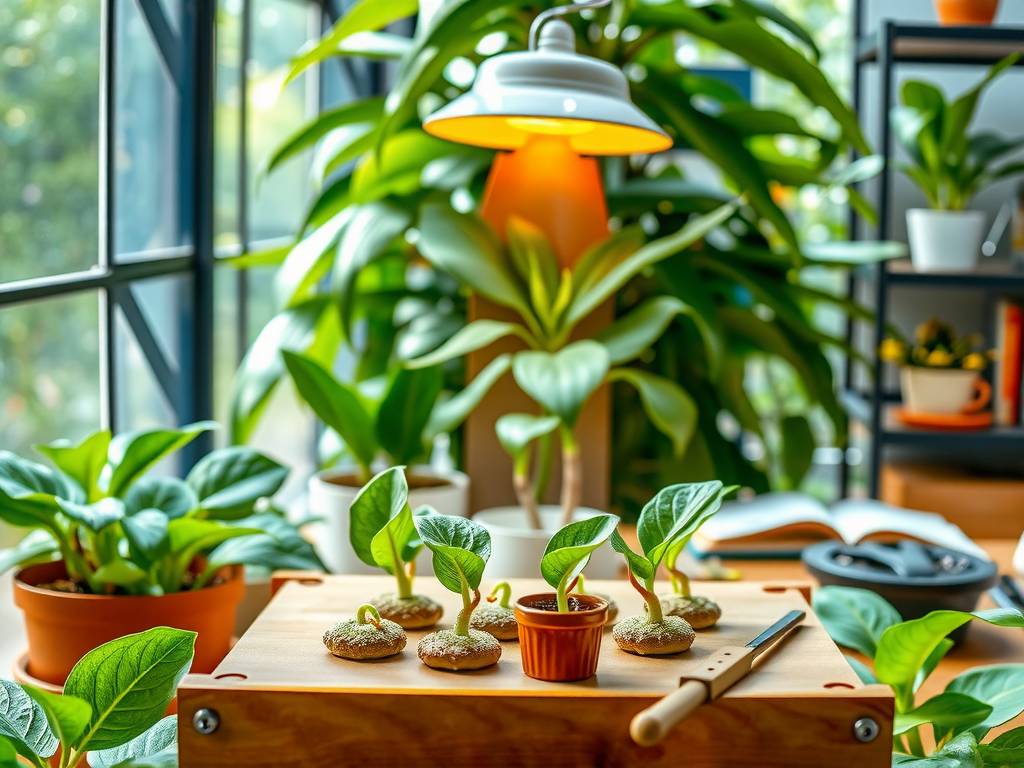
Practical Heating Solutions If your home is cool, don't rely on room heating alone. Consider these targeted solutions:
- Heat Mats: A seedling heat mat placed under your propagation tray is a game-changer. It gently warms the root zone, which is where it counts most, encouraging strong root development. Always use a thermostat to prevent overheating the soil.
- Warm Locations: Place your seedling tray on top of a refrigerator, near (not on) a warm electronics appliance, or in the naturally warmest room in your house.
- Covering: Using a clear plastic dome or a loosely tied plastic bag over the pot creates a mini-greenhouse effect, trapping warmth from ambient light.
Mastering Humidity for Lush, Healthy Foliage
While warmth drives growth, humidity protects it. Low humidity forces the seedling to lose moisture faster than its tiny roots can absorb it, leading to stunted growth, crispy leaf edges, and overall decline.
The Humidity Goal Strive for a relative humidity level of 70% or higher around your philodendron seedlings. You can monitor this with a simple, inexpensive hygrometer.
Effective Humidity-Boosting Techniques
- The Humidifier: The most effective and hands-off method. A small cool-mist humidifier placed near your plants will create the perfect tropical microclimate.
- Pebble Trays: Fill a shallow tray with pebbles and water, placing your seedling pots on top. As the water evaporates, it increases local humidity. Ensure the pot's drainage holes are not sitting in the water.
- Cloche or Dome: As mentioned for warmth, a clear plastic cover is a fantastic dual-purpose tool. It traps evaporating moisture from the soil and the plants' own transpiration, creating a self-sustaining humid environment. Remember to ventilate it for a few minutes daily to prevent fungal issues.
- Grouping Plants: Cluster your seedlings with other humidity-loving plants. They collectively raise the humidity through transpiration, creating a beneficial community effect.
The Synergy of Warmth and Humidity in Daily Care
These two factors don't work in isolation; they directly influence your watering and lighting practices.
Watering in a Humid, Warm Setup Warmth accelerates soil drying, while high humidity slows it down. The trick is to check the soil frequently. The top inch should feel slightly moist but not soggy. Water thoroughly with lukewarm water (cold water can shock the roots) when the surface just begins to dry. In a covered dome, you may water far less frequently. Overwatering is a major risk in stagnant, cool conditions, but in your warm, airy, humid setup, the balance is easier to maintain.
Lighting Needs for Accelerated Growth Your seedlings need bright, indirect light to fuel their rapid growth. A north or east-facing window is ideal. Under grow lights, provide 12-14 hours of light daily. The warmth from lights can help, but ensure they are not so close as to burn the tender leaves. In your optimized warm and humid environment, proper light ensures the energy is used for growth, not just survival.
Transitioning Seedlings to Normal Room Conditions
This process, called hardening off, is crucial. You can't move a seedling from a 80% humidity dome directly to your 40% humidity living room. Do it gradually over 7-10 days:
- Start by propping open or removing the dome for an hour the first day.
- Increase the uncovered time by 1-2 hours each day.
- During this period, be extra vigilant about soil moisture, as the plant will start using water more rapidly.
- Once acclimated, continue to provide above-average humidity through a pebble tray or humidifier if your home is dry.
My seedlings' leaves are yellowing. Is it too humid? While overwatering can cause yellowing, in a warm, humid setup, the more likely culprit is nutrient deficiency or insufficient light. Ensure they are getting enough indirect light and consider a very diluted, balanced liquid fertilizer (quarter strength) once they have 2-3 true leaves.
Can I use a terrarium for my philodendron seedlings? Absolutely. A terrarium is an excellent way to provide a consistently warm and humid environment. Ensure it has some air circulation (a slightly open lid or ventilation holes) to prevent mold and use a well-draining soil mix to avoid waterlogging.
How long until I see fast growth after improving temperature and humidity? You should notice a visible difference within 1-2 weeks. New leaves (true leaves, not the initial seed leaves) will emerge more quickly, stems will strengthen, and the overall plant will appear more turgid and vibrant. Patience is key, as the plant will first invest energy in expanding its root system.
By focusing on the dual pillars of warmth and humidity, you are speaking directly to your philodendron seedling's genetic blueprint. This approach minimizes stress, maximizes photosynthetic efficiency, and paves the way for the explosive, healthy growth every plant parent dreams of. Start by stabilizing their climate, and you'll be rewarded with resilient, fast-growing plants ready to climb, trail, and thrive in your home.





