bluename
 How to Care for Philodendron Old Stalks - Trellis for Climbing & Grand Form
You've nurtured your Philodendron for years, watching it grow into a magnificent specimen. But now, those once-vibrant stems have become long, bare "old stalks," and the plant seems to be sprawling aimlessly rather than showcasing its majestic potential. This common dilemma leaves many plant enthusiasts wondering how to restore their plant's grandeur. The solution lies in understanding the unique needs of mature Philodendron growth and implementing the right support system. Proper care for these old stalks, particularly through strategic use of a trellis for climbing, is the key to unlocking your plant's impressive, grand form.
This guide will walk you through everything you need to know about caring for your mature Philodendron, transforming those leggy stems into a structured display of lush foliage.
Understanding Your Mature Philodendron's Needs
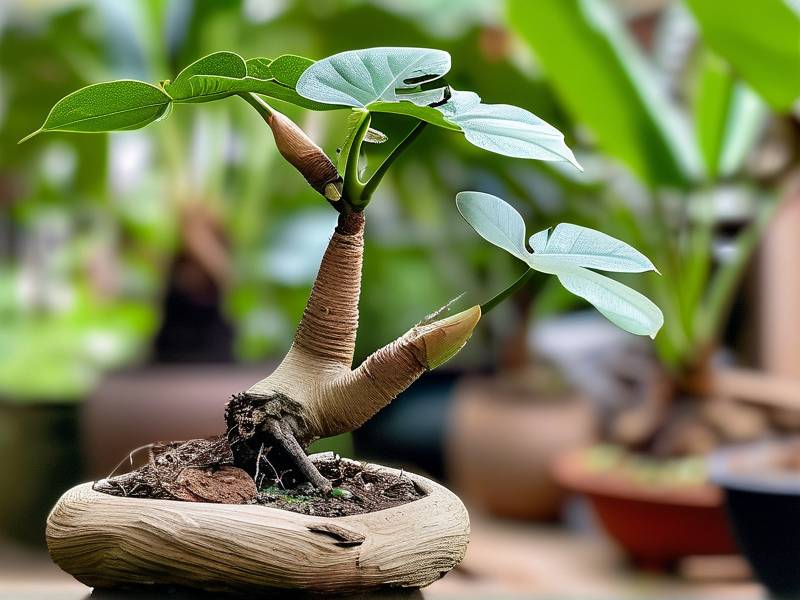
Philodendrons are natural climbers. In their native tropical habitats, they use aerial roots to ascend trees, seeking brighter light. As they mature indoors, the lower leaves naturally senesce and drop, leaving behind a woody, leafless stalk—this is your "old stalk." It's not a sign of poor health, but a mark of maturity. The plant's energy is focused on new growth from the apical meristem (the growing tip). Without support, this new growth becomes heavy, causing the stem to droop or trail. To achieve that coveted grand form, we must work with its innate climbing habit. Providing a structure mimics its natural environment, encouraging larger leaf development and a more upright, impressive stature.
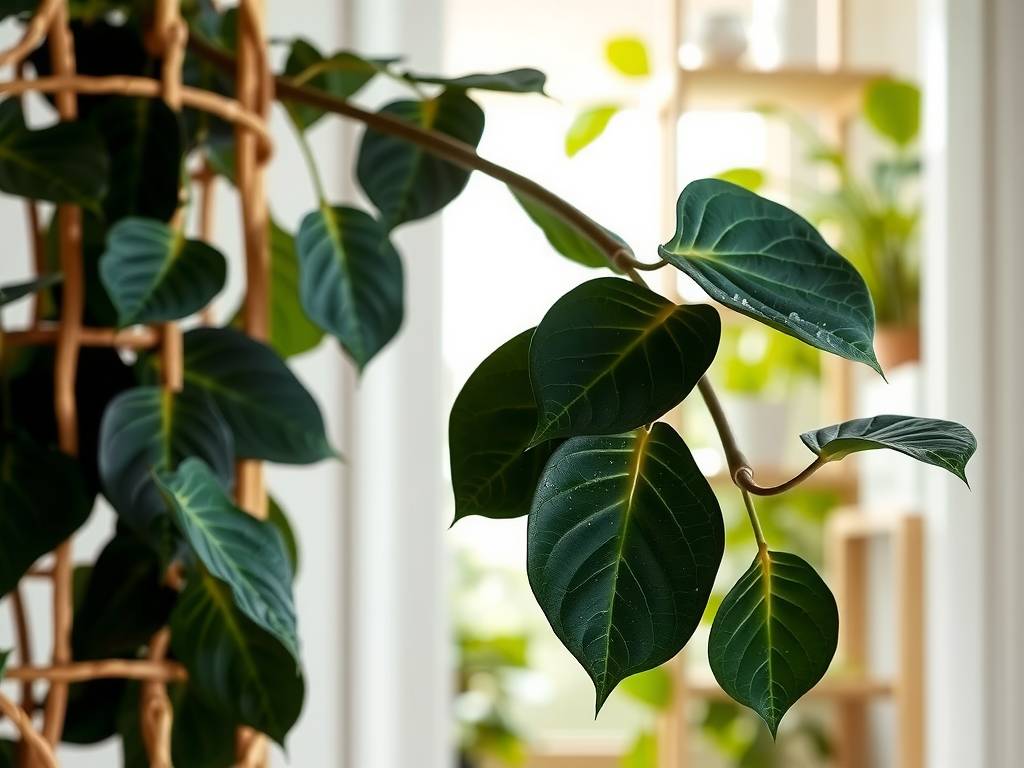
Expert horticulturists from institutions like the Royal Horticultural Society note that providing appropriate support for aroid plants like Philodendrons directly influences leaf size and plant vitality. A supported plant can allocate more energy to foliage production rather than structural support.
Step-by-Step: Preparing and Attaching to a Trellis
Choosing and installing a trellis is the most impactful step in caring for your Philodendron's old stalks. This process encourages vertical growth and manages the plant's form.
Selecting the Right Trellis Your choice of support is crucial. For a mature Philodendron with a thick, old stalk, you need a sturdy, substantial trellis. Moss poles are an excellent choice as they retain moisture, stimulating aerial root attachment and providing minor nutrients. Coir totems, wooden planks, or sturdy metal frames are also suitable. Ensure the trellis is tall enough to accommodate future growth—at least 1.5 times the current height of your plant. The base must be securely anchored in the pot's soil to prevent toppling.
The Attachment Process Be gentle. Never force or tightly bind the thick, old stalk. The goal is to guide, not constrict.
- Position the trellis close to the main stalk, pushing it deep into the potting mix.
- Use soft, flexible ties like velcro plant tape, stretchy cotton yarn, or strips of old tights. Avoid wire or string that can cut into the stem.
- Secure the ties around the trellis for climbing and the firmest, woody parts of the old stalk. Make loops in a figure-eight pattern between the stem and the pole to prevent chafing.
- For the newer, green growth at the top, gently guide it towards the trellis. As it grows, you can loosely tie the flexible stems, encouraging the aerial roots to seek out and grip the support on their own.
Ongoing Care for a Supported Philodendron
Once your Philodendron is supported, its care regimen slightly shifts to optimize health and visual impact.
Watering and Humidity A plant growing vertically may dry out differently than a trailing one. Check soil moisture regularly; the goal remains consistent, moderate moisture. The grand form of your Philodendron will thrive with higher humidity (above 60%), which is especially beneficial for aerial root development on the moss pole. Mist the trellis if it's moss-based, or use a humidifier nearby.
Light and Fertilization Position your now-upright plant in bright, indirect light. The increased exposure from a vertical arrangement can lead to more uniform, robust growth. During the growing season, feed with a balanced liquid fertilizer every 4-6 weeks. A well-supported plant with adequate light and nutrients will produce larger, more characteristic leaves, enhancing its grand appearance.
Pruning and Maintenance Pruning is essential for managing your climbing Philodendron's grand form. To encourage bushier growth, you can prune the very tip of the leading vine. You can also propagate these cuttings to create a fuller pot. Simply cut below a node (a small bump on the stem where leaves and roots emerge) and place in water or soil to root. Once rooted, you can plant it back into the same pot at the base, adding volume and creating a lusher display around the old stalks.
Troubleshooting Common Issues
Even with the best care, you might encounter some challenges.
Aerial Roots Not Attaching If aerial roots aren't gripping a dry moss pole, increase humidity around the pole. You can gently direct them toward the support and use a tie to hold them in contact until they attach.
Old Stalk Looking Dull or Woody This is natural. The old stalk acts as a sturdy trunk. As long as it's firm and not mushy, it's healthy. You can gently wipe it with a damp cloth to remove dust.
Plant Outgrowing the Trellis This is a sign of success! When the vine reaches the top, you have two options: you can extend the trellis by adding a new section on top, or you can gently loop the leading vine back down the pole and re-secure it, encouraging growth to fill in the lower sections.
How often should I repot a large, trellised Philodendron? Repot only when you see roots circling the bottom of the pot or when the soil dries out excessively quickly—typically every 2-3 years. When repotting, keep the plant attached to its trellis and move them together as one unit to minimize shock.
Can I cut off the old, bare stalks? It's not recommended. These old stalks are the plant's main structural support and nutrient highway. Removing them can severely stress the plant. It's better to embrace them as part of the plant's mature character and focus on managing the new growth.
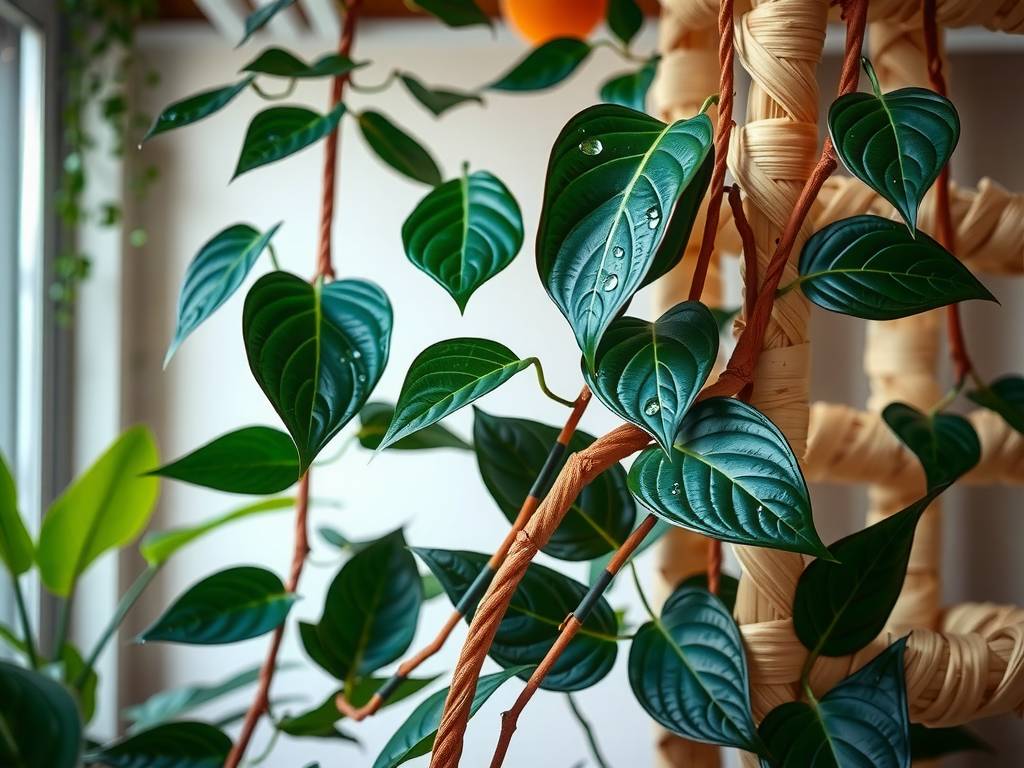
My Philodendron is only producing small leaves even on a trellis. Why? Small leaves often indicate insufficient light. Ensure your plant receives plenty of bright, indirect sunlight. Additionally, consistent feeding during the growing season and adequate humidity are critical for triggering the large leaf growth associated with a mature, grand-form Philodendron.
Caring for a Philodendron with old stalks is a rewarding journey that shifts from basic maintenance to strategic sculpting. By introducing a sturdy trellis, you work in harmony with the plant's innate desire to climb. This simple act of support redirects its energy, transforming sporadic growth into a controlled, vertical showcase of foliage. The result is not just a plant, but a living piece of architecture—a true testament to the grand form these remarkable plants can achieve with a little understanding and the right framework. Embrace the old stalks as the strong foundation they are, and guide your Philodendron upward to reveal its fullest, most majestic potential.