bluename
 How to Care for Schefflera Arboricola Seedlings - Bright Indirect Light for Fast Growth
You've just welcomed a cluster of delicate Schefflera arboricola seedlings into your home. They hold the promise of lush, umbrella-like foliage, but right now, they seem fragile. The most common question new plant parents have is: "What's the secret to getting these tiny plants to thrive, not just survive?" The answer, more often than not, boils down to one critical factor: mastering their light requirements. Providing the correct bright indirect light for fast growth is the single most impactful thing you can do for your Schefflera arboricola seedlings. Get this right, and you lay the foundation for a robust, rapidly growing plant.
This guide will walk you through everything you need to know, transforming you from a worried caretaker into a confident grower. We'll focus on the pillars of seedling care, with a special emphasis on light—the engine of photosynthesis and growth.
Understanding Your Schefflera Arboricola Seedling
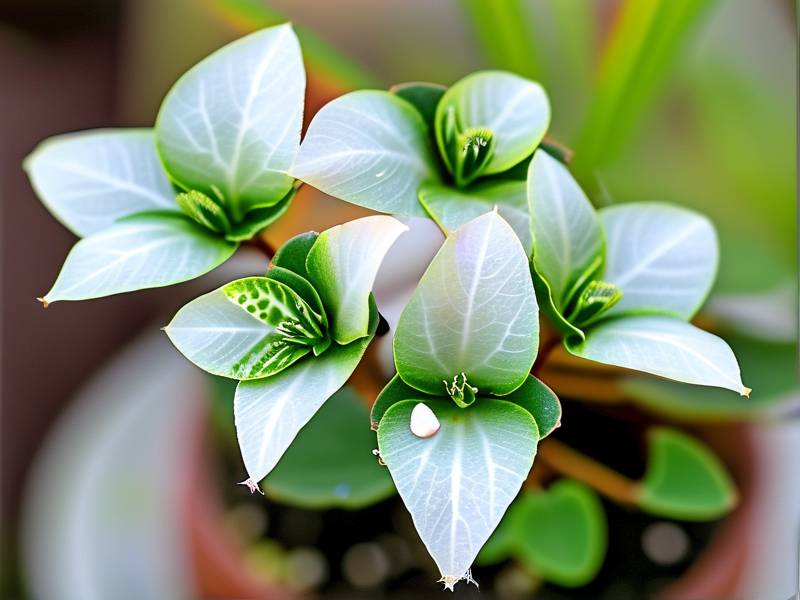
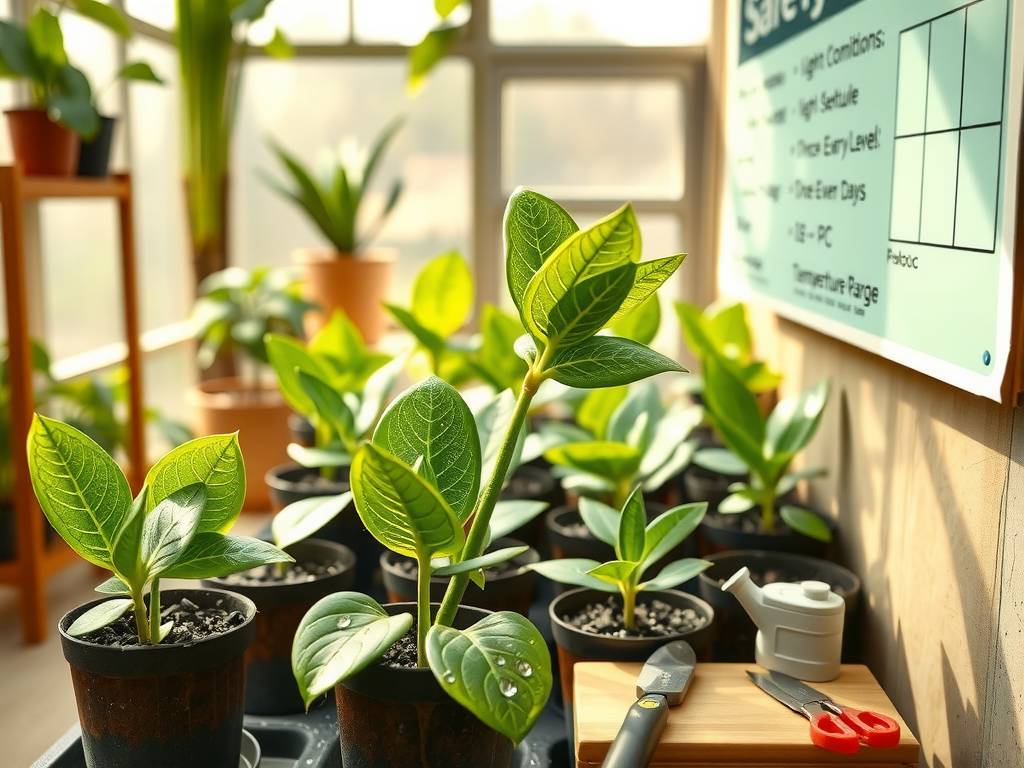
Before we dive into care, let's understand what we're growing. Schefflera arboricola, commonly known as the Dwarf Umbrella Tree, is a popular houseplant prized for its glossy, palmate leaves. In their seedling stage, they are particularly vulnerable but also remarkably responsive to good care. Their primary goal is to establish a strong root system and produce new leaves, a process entirely fueled by light energy.
A study on tropical understory plants, which includes Schefflera, highlights their adaptation to dappled sunlight in their natural habitat. This is the key to understanding their preference for bright indirect light conditions over direct sun exposure.
The Golden Rule: Mastering Light for Maximum Growth
Light is not just a component of care; it is the core energy source. For Schefflera arboricola seedlings, the quality, duration, and intensity of light directly dictate their growth speed, leaf size, and overall health.
What Exactly is "Bright Indirect Light"?
This term can be confusing. It does not mean a dark corner or a spot far from a window. True bright indirect light is a well-lit space where no direct rays from the sun touch the foliage of your seedling. Imagine the light under a sheer-curtained window, or a spot a few feet back from a sunny south or west-facing window. The room feels brightly lit, and you can easily read a book without turning on a lamp, but there are no harsh shadows or hot spots.
Why Direct Sun is Harmful for Seedlings
The tender leaves of Schefflera seedlings are highly susceptible to sunscald. Direct sunlight, especially through glass, acts like a magnifying glass, causing cellular damage that appears as bleached, crispy, or brown patches. This damage hampers the plant's ability to photosynthesize, stunting growth—the opposite of what we want.
How to Achieve the Perfect Indirect Light Setup
- Window Direction: East-facing windows provide gentle morning sun, which is often acceptable. North-facing windows may be too dim. South or west-facing windows are excellent, but you must diffuse the light. Use a sheer curtain or place the seedling 3-5 feet back from the window pane.
- Signs of Perfect Light: Your seedling will tell you if it's happy. Look for steady new growth, firm stems, and leaves that are a vibrant, deep green. The plant will have a compact, bushy appearance as it grows toward the light source.
- Signs of Insufficient Light: Growth will be dramatically slow, almost non-existent. Stems may become abnormally long and thin (a condition called etiolation) as the plant desperately stretches to find light. New leaves may be smaller and paler.
- Supplementing with Grow Lights: If your home lacks natural bright light, don't despair. Full-spectrum LED grow lights are a fantastic solution. Position them 12-18 inches above the seedlings and run them for 12-14 hours a day to simulate a long, bright day. This ensures your Schefflera seedlings receive adequate light consistently, year-round.
Essential Care Practices Beyond Light
While light is the star, it works in concert with other care elements. Here’s how to perfect the supporting cast.
Watering Wisely: The Balance of Moisture
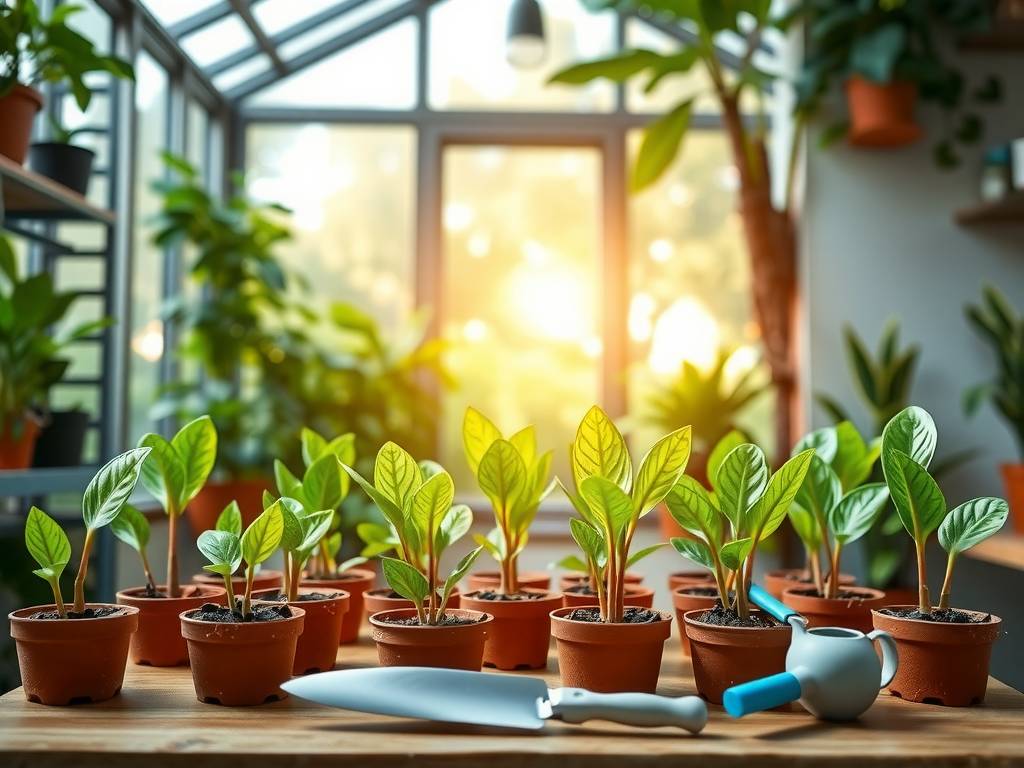
Overwatering is the fastest way to lose a seedling. Their small root systems need moisture but abhor soggy conditions.
- The Finger Test: This is your most reliable tool. Insert your finger about an inch into the potting mix. Water thoroughly only when the top inch feels dry. Ensure your pot has drainage holes.
- Technique: Water slowly and evenly until water flows from the drainage holes. This ensures the entire root ball is hydrated. Never let the seedling sit in a saucer of standing water.
Soil and Potting: Building a Strong Foundation
The right soil mix provides support, nutrients, and critical aeration.
- Ideal Mix: Use a well-draining, peat-based potting mix. You can improve a standard mix by adding 20-30% perlite or orchid bark to enhance drainage and prevent compaction.
- Pot Choice: Start seedlings in small pots (2-3 inches). A pot too large holds excess moisture, risking root rot. Only repot when you see roots circling the bottom of the current pot.
Temperature and Humidity: Creating a Tropical Microclimate
Schefflera arboricola thrives in stable, warm environments similar to its native tropics.
- Temperature: Maintain a range between 65°F and 80°F (18°C - 27°C). Avoid cold drafts from windows, doors, or air conditioning vents.
- Humidity: While they tolerate average home humidity, seedlings appreciate higher levels (around 50-60%). You can group plants together, use a humidity tray (a pebble-filled tray with water), or a small room humidifier.
Feeding for Future Growth: Gentle Nutrition
Seedlings have modest nutritional needs. Hold off on fertilizer for the first 2-3 months after germination, as the seed and initial soil provide enough.
- When to Start: Once the seedling is actively producing new leaves, begin a feeding routine.
- Type and Schedule: Use a balanced, water-soluble fertilizer (e.g., 10-10-10) diluted to half the recommended strength. Apply this mild feeding once a month during the spring and summer growing seasons. Do not fertilize in fall and winter when growth naturally slows.
Troubleshooting Common Seedling Problems
Even with great care, you might encounter issues. Here’s how to diagnose and fix them.
- Yellowing Leaves: This often points to overwatering. Check your soil moisture and ensure the pot drains freely. Less commonly, it can indicate a need for fertilizer (if older leaves yellow) or, ironically, underwatering.
- Leaf Drop: Sudden leaf loss is usually an environmental shock. Did the temperature drop drastically? Was it moved to a vastly different light location? Schefflera seedlings prefer consistency. Review recent changes in its care.
- Leggy, Stretched Growth: This is a definitive cry for more light. The seedling is sacrificing compact form to reach for a light source. Relocate it to a brighter spot with indirect sunlight for healthy Schefflera or introduce a grow light.
- Pests: Keep an eye out for sap-sucking pests like spider mites or aphids, especially under leaves. Wipe leaves gently with a damp cloth or use insecticidal soap or neem oil for treatment.
How often should I water my Schefflera seedling? There's no fixed schedule. Watering frequency depends on light, temperature, and pot size. Always use the finger test—water only when the top inch of soil is dry. This might be once a week in a bright, warm room, or every 10-14 days in lower light.
Can I put my Schefflera arboricola seedling in a south-facing window? A south-facing window is an excellent source of bright light, but the direct midday sun can be too intense. To provide the optimal light for Schefflera growth, place the seedling a few feet back from the window or use a sheer curtain to filter the direct rays, creating the perfect bright, indirect environment.
When should I repot my seedling? Repot in the spring or early summer when the plant is actively growing. Key signs it's time: roots are visibly growing out of the drainage holes, or the plant dries out unusually fast after watering. Only move up one pot size (1-2 inches larger in diameter) to prevent overwatering issues.
Caring for Schefflera arboricola seedlings is a rewarding journey that hinges on mimicking their natural preferences. By prioritizing a steady supply of bright, indirect light, you fuel the photosynthesis that drives strong, fast growth. Pair this with mindful watering, a well-draining home, and stable warmth, and your delicate seedlings will steadily transform into resilient, beautiful plants. Observe them closely, respond to their cues, and you'll enjoy the process of nurturing them into maturity.