bluename
 How to Care for Aspidistra (Golden Edge): The Ultimate Guide to Thriving, Shade-Tolerant Foliage
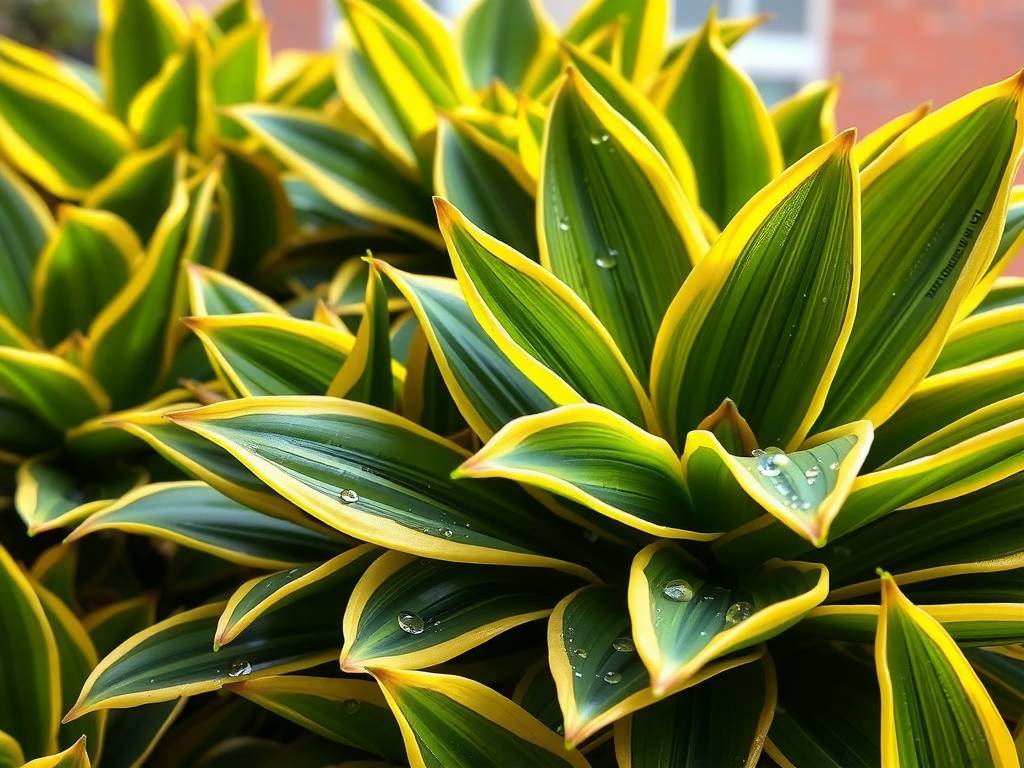
Do you dream of lush, vibrant greenery in that dim corner of your home where other plants give up? Are you searching for a resilient, low-maintenance companion that won’t wilt if you forget a watering or two? Look no further than the Aspidistra elatior ‘Golden Edge’. This classic, nearly indestructible houseplant is celebrated for its shade-tolerant and drought-tolerant nature, along with its stunning golden-edged green leaves. It’s the perfect solution for busy plant lovers and low-light spaces. This comprehensive guide will walk you through everything you need to know to help your Golden Edge Cast Iron Plant not just survive, but truly thrive.
Understanding Your Golden Edge Aspidistra
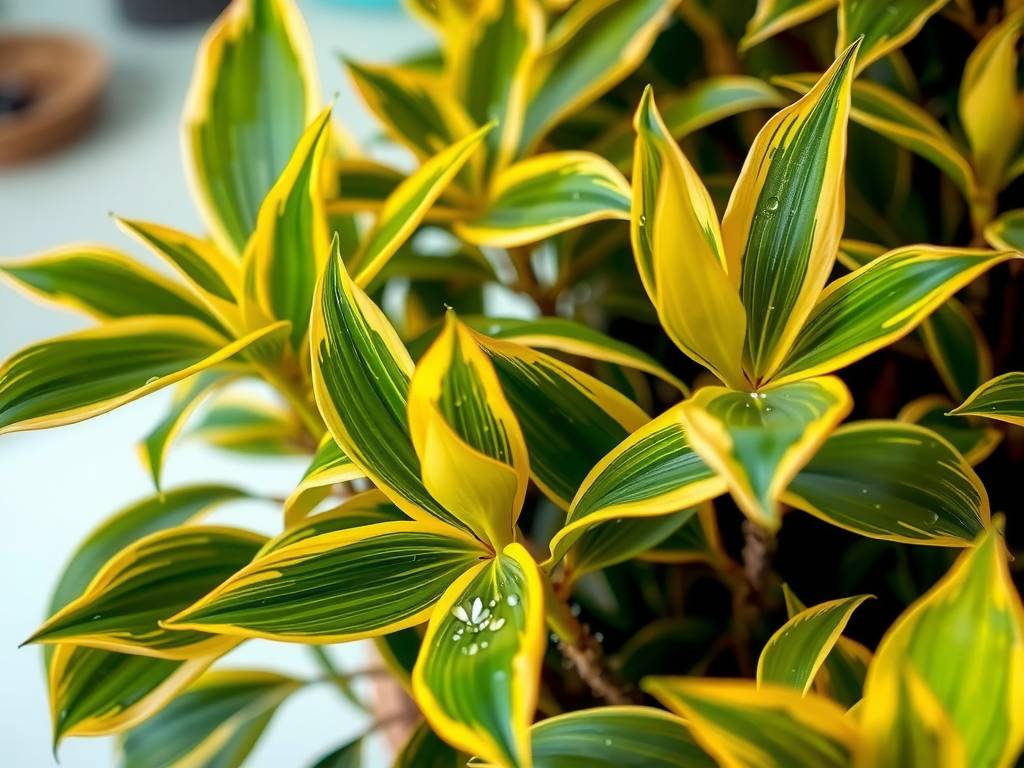
Often called the Cast Iron Plant for its legendary durability, the Golden Edge variety adds a splash of color with its elegant green leaves bordered in creamy gold. Native to the forest floors of East Asia, it’s evolutionarily designed for low-light, making it one of the most shade-tolerant houseplants available. Its thick, rhizomatous roots store water, granting it exceptional drought tolerance. Understanding these innate traits is the first step to providing the right care.
Perfecting the Light: Embracing the Shade
The most common mistake with this plant is providing too much direct sunlight. Its shade-tolerant nature is its superpower.
- Ideal Conditions: Bright, indirect light is excellent, but it truly excels in low to medium indirect light. A north-facing window or a spot several feet back from an east or west window is perfect.
- What to Avoid: Direct afternoon sun will scorch and fade its beautiful leaves, causing the vibrant golden edges to turn brown and crispy. If you only have a brighter spot, filter the light with a sheer curtain.
- Adaptability: A study on understory plant physiology notes that plants like Aspidistra have chloroplasts adapted to capture diffuse light, allowing for efficient photosynthesis even in deep shade.
Mastering the Watering Routine for Drought-Tolerant Health
While it can withstand neglect, a consistent routine promotes lush growth. Its drought-tolerant reputation comes from its rhizomes.
- The Golden Rule: Water deeply, then allow the soil to dry out almost completely before watering again. Insert your finger into the top 2 inches of soil; if it’s dry, it’s time to water.
- Seasonal Adjustments: Water more frequently in the warm, active growing season (spring and summer). In fall and winter, reduce watering significantly, perhaps only once a month, as growth slows.
- Signs to Watch: Yellowing leaves often indicate overwatering and soggy soil. Brown, crispy leaf tips can signal prolonged underwatering or low humidity.
Soil and Potting: The Foundation of Resilience
The right soil mix ensures those tough roots stay healthy.
- Soil Type: Use a well-draining, peat-based potting mix. A standard houseplant soil amended with perlite or orchid bark improves drainage and aeration.
- Repotting: These are slow growers and prefer to be slightly root-bound. Repot only every 2-3 years in spring, moving to a pot only 1-2 inches larger. Ensure the pot has adequate drainage holes.
Temperature, Humidity, and Feeding
- Temperature: Average room temperatures (60-80°F or 15-27°C) are ideal. Protect it from cold drafts and temperatures below 50°F (10°C).
- Humidity: It tolerates average household humidity well. However, if the air is very dry, occasional misting or a pebble tray can prevent leaf tip browning and keep the golden-edged green leaves looking pristine.
- Feeding: Feed sparingly. A balanced, diluted liquid fertilizer applied once a month during spring and summer is sufficient. No feeding is needed in fall and winter.
Pruning and Maintenance for Show-Stopping Leaves
Regular maintenance keeps your plant looking its best.
- Cleaning: Gently wipe the broad leaves with a damp cloth every few months to remove dust, allowing them to breathe and maximizing their light absorption.
- Pruning: Remove entire leaves at the soil line if they are yellow, brown, or damaged. This encourages new growth and prevents potential pest issues.
Troubleshooting Common Issues
- Brown Leaf Tips: Usually caused by underwatering, low humidity, or fluoride in tap water. Use filtered or distilled water if this is a persistent issue.
- Yellowing Leaves: The most common cause is overwatering. Check soil moisture immediately.
- Pests: Aspidistras are remarkably pest-resistant. Scale or spider mites may rarely appear. Wipe leaves with insecticidal soap or neem oil solution if needed.
Propagating Your Aspidistra
The easiest way to propagate is by division during repotting. Gently separate a section of the rhizome with at least 2-3 leaves attached, using a clean, sharp knife. Pot the division in fresh soil, water lightly, and care for it as usual.
How often should I water my Golden Edge Aspidistra? There's no fixed weekly schedule. Always check the soil first. Water only when the top 2 inches are completely dry, which may be every 1-2 weeks in summer and every 3-4 weeks in winter.
Can my Aspidistra live in a windowless room? Yes, it can survive in very low light conditions like a room with only fluorescent lighting, but its growth will be extremely slow, and the variegation on the golden-edged leaves may become less pronounced. For best results, provide some indirect natural light if possible.
Why are the leaves on my Cast Iron Plant losing their golden color? If the leaves are reverting to solid green, it’s often due to insufficient light. While it loves shade, a complete absence of light can reduce variegation. Move it to a slightly brighter spot (still no direct sun). If the golden edges are turning brown, it’s likely due to too much direct sunlight or chemical burn from water/fertilizer.
With its stately presence and undemanding character, the Golden Edge Aspidistra is more than just a houseplant—it’s a dependable piece of living decor. By respecting its love for shade and its drought-adapted roots, you’ll be rewarded with years of elegant, striping foliage that brings life to even the darkest corners of your home. Embrace its slow and steady nature, and enjoy this timeless, tough beauty.