bluename
 How to Care for Dracaena Fragrans (Golden Edge) for Vibrant, Golden-Edged Leaves
You’ve brought home a stunning Dracaena Fragrans ‘Golden Edge,’ captivated by its elegant, sword-shaped leaves adorned with brilliant golden-yellow margins. But now, you might be wondering: Why are the tips of those beautiful leaves turning brown? Is it getting too much sun, or not enough? How often should you really water it? You’re not alone. Many plant enthusiasts face these challenges with this popular, yet sometimes finicky, houseplant. The good news is that with a few key insights into its specific needs for warm filtered light and its drought-tolerant nature, you can unlock the secret to keeping your Golden Edge Dracaena thriving, not just surviving.
This comprehensive guide will walk you through every aspect of Dracaena Fragrans care, transforming uncertainty into confidence. We’ll demystify its light, water, and soil preferences, turning you into an expert caretaker for your striped companion.
Understanding Your Dracaena Fragrans ‘Golden Edge’
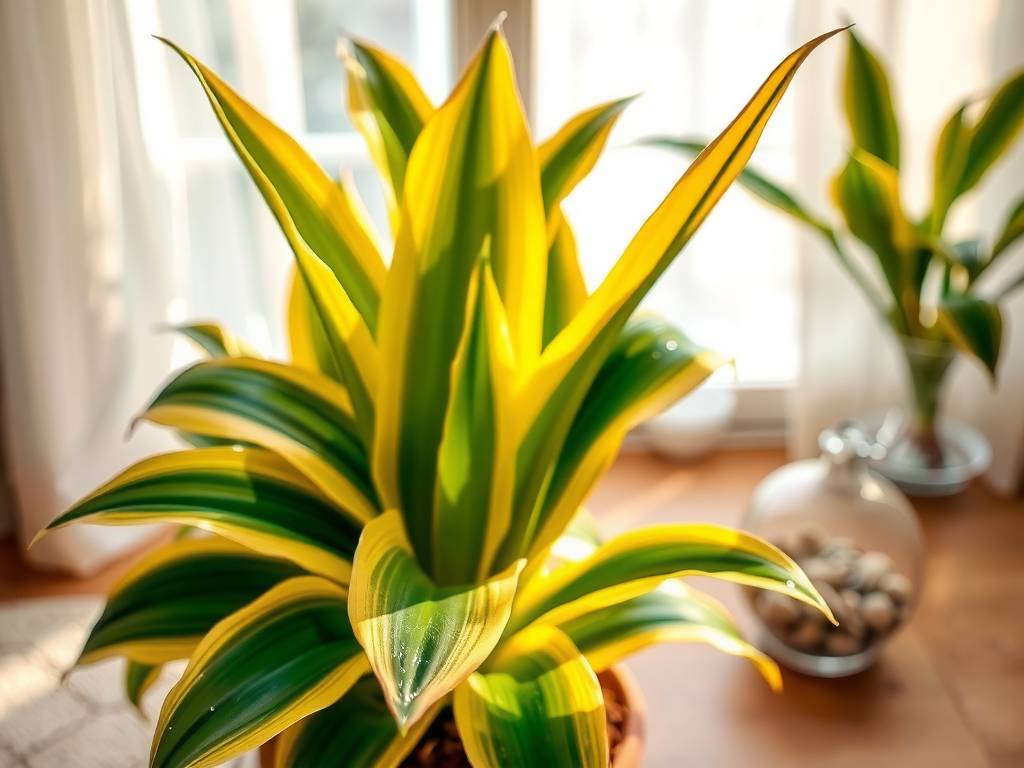
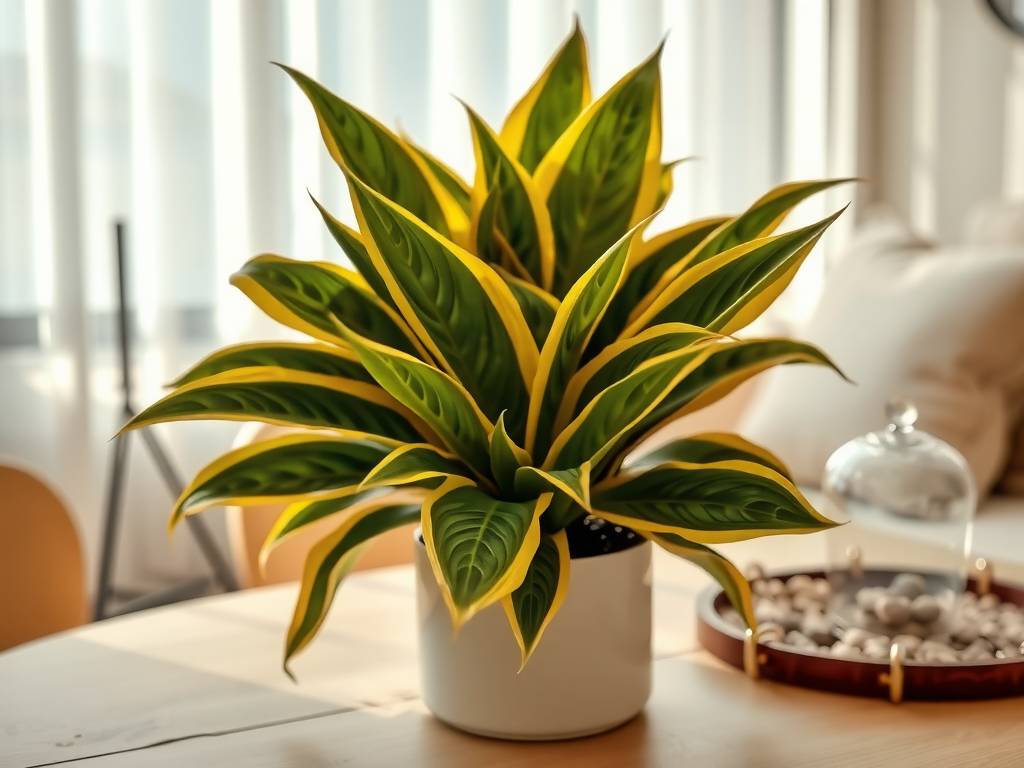
Often sold as Corn Plant or Happy Plant, the Dracaena Fragrans ‘Golden Edge’ is a cultivar prized for its dramatic foliage. The central leaf is a deep green, sharply contrasted by stripes of creamy gold along each edge. This variegation is key to its care; the lighter-colored portions contain less chlorophyll, making the plant slightly more sensitive to light than its all-green relatives. Native to tropical Africa, it has adapted to thrive under the canopy of taller trees, which explains its love for bright, indirect light and its drought-tolerant tendencies.
A study published in the Journal of Environmental Horticulture highlights Dracaena species as excellent indoor plants for improving air quality, with the ‘Golden Edge’ variety being particularly effective. This adds a functional benefit to its undeniable beauty.
The Golden Rule: Perfecting Light Conditions
Providing the correct light is the single most important factor in maintaining the vibrant variegation of your Golden Edge Dracaena. Those golden stripes can fade or scorch if the light isn’t just right.
Ideal: Warm, Filtered Light Your plant desires bright, indirect light. Think of the dappled sunlight that filters through a sheer curtain in an east or north-facing window. This mimics its natural forest floor habitat perfectly. This level of illumination encourages steady growth and ensures the golden and green colors remain bold and distinct.
What to Avoid: Direct Sun and Deep Shade Direct afternoon sun, especially through a south or west window, is too intense. It can quickly scorch the leaves, causing brown, crispy patches, particularly on the delicate golden edges. Conversely, a dark corner will cause several problems. Growth will become leggy and stretched as the plant reaches for light, and the stunning variegation will fade, with leaves turning mostly solid, dull green.
Mastering the Art of Watering for a Drought-Tolerant Plant
Perhaps the most common mistake in Dracaena Fragrans care is overwatering. Its thick, cane-like stems store water, making it exceptionally drought-tolerant. It’s always safer to underwater than overwater.
The Soak-and-Dry Method Wait until the top 50-75% of the soil has completely dried out before watering. You can check this by sticking your finger into the soil. When it’s time, water thoroughly until excess water drains freely from the pot’s bottom. This ensures the entire root ball gets moisture. Immediately empty the saucer underneath to prevent “wet feet,” which leads to root rot.
Water Quality Matters Dracaena plants are sensitive to chemicals like fluoride and chlorine found in tap water. This sensitivity often manifests as brown leaf tips. To prevent this, use filtered water, rainwater, or simply leave tap water out in an open container for 24 hours to allow the chemicals to dissipate before using it on your plant.
Creating the Perfect Foundation: Soil and Potting
The right soil mix is your insurance policy against overwatering. A well-draining, chunky potting mix is non-negotiable.
Choose a Well-Draining Potting Mix A standard indoor potting mix amended with perlite, orchid bark, or coarse sand is ideal. This creates air pockets, improves drainage, and prevents compaction. Many experts, including horticulturists at the Royal Horticultural Society, recommend a mix of two parts peat-free potting compost to one part grit or perlite for draceanas.
Selecting an Appropriate Pot Always use a pot with drainage holes. Terracotta pots are an excellent choice because they are porous, allowing soil to dry more evenly and reducing the risk of overwatering.
Routine Care for Optimal Health
Beyond the basics, a few simple routines will keep your plant in peak condition.
Feeding: Less is More Feed your Dracaena Fragrans sparingly. During the active growing season (spring and summer), a balanced, water-soluble fertilizer diluted to half-strength once a month is sufficient. Do not fertilize in fall and winter when growth slows.
Pruning and Cleaning Remove any yellowing or dead leaves at the stem to keep the plant tidy and direct energy to new growth. You can also trim brown leaf tips with clean scissors, following the natural leaf shape. Wipe the leaves monthly with a damp cloth to remove dust, which allows the plant to breathe and photosynthesize more efficiently.
Troubleshooting Common Issues
- Brown Leaf Tips: This is most commonly caused by fluoride in tap water, over-fertilization, or low humidity. Switch to filtered water, flush the soil occasionally, and mist the leaves or use a humidifier.
- Yellowing Leaves: Usually a sign of overwatering. Check your watering schedule and ensure the pot drains properly.
- Fading Variegation: The plant needs more light. Move it to a brighter location with indirect light.
- Soft, Mushy Stems: Advanced root rot from chronic overwatering. You may need to unpot the plant, trim away black, mushy roots, and repot in fresh, dry soil.
Propagating Your Golden Edge Dracaena
One of the joys of this plant is how easy it is to propagate. If your plant becomes too tall or leggy, you can cut the cane. Use a clean, sharp knife to cut a section of stem that includes at least one node (the bumpy ring on the cane). You can root this in water or directly in moist potting mix. New shoots will emerge from below the cut on the original plant, creating a bushier appearance.
Is the Dracaena Fragrans ‘Golden Edge’ pet-friendly? No. This plant is toxic to cats and dogs if ingested, as noted by the ASPCA. It contains saponins which can cause vomiting, drooling, or lethargy in pets. It’s best placed out of reach of curious animals.
How fast does a Golden Edge Dracaena grow? Under ideal conditions, it is a moderately slow grower, typically adding 6-12 inches in height per growing season. Its growth rate will slow in lower light conditions.
Why are the leaves on my Dracaena losing their golden color? Insufficient light is the primary culprit. The plant produces more green chlorophyll to compensate for low light, causing the golden margins to fade and shrink. Gradually move it to a brighter spot with filtered light to restore the variegation.
Caring for a Dracaena Fragrans ‘Golden Edge’ is a rewarding practice in understanding a plant’s unique language. By respecting its need for bright, filtered light and embracing its drought-tolerant character—watering deeply but infrequently—you set the stage for success. Pay attention to the soil, pot, and water quality, and this resilient plant will reward you with years of striking, architectural beauty. Its elegant, golden-edged leaves will not only enhance your space but also serve as a testament to your attentive care.