bluename
 How to Care for Brazilwood (Golden Edge): Your Complete Guide to a Thriving Plant
You've brought home a stunning Brazilwood, its leaves edged in brilliant gold, promising a touch of the tropics. But now, questions arise. Why are the golden edges turning brown? Is it getting enough light? How often should you really water it? Don't worry, caring for this resilient beauty is simpler than you think. This guide will walk you through every step to ensure your Golden Edge Brazilwood not only survives but flourishes, filling your space with its vibrant foliage and sweet, fragrant flowers.
Understanding Your Brazilwood (Golden Edge)

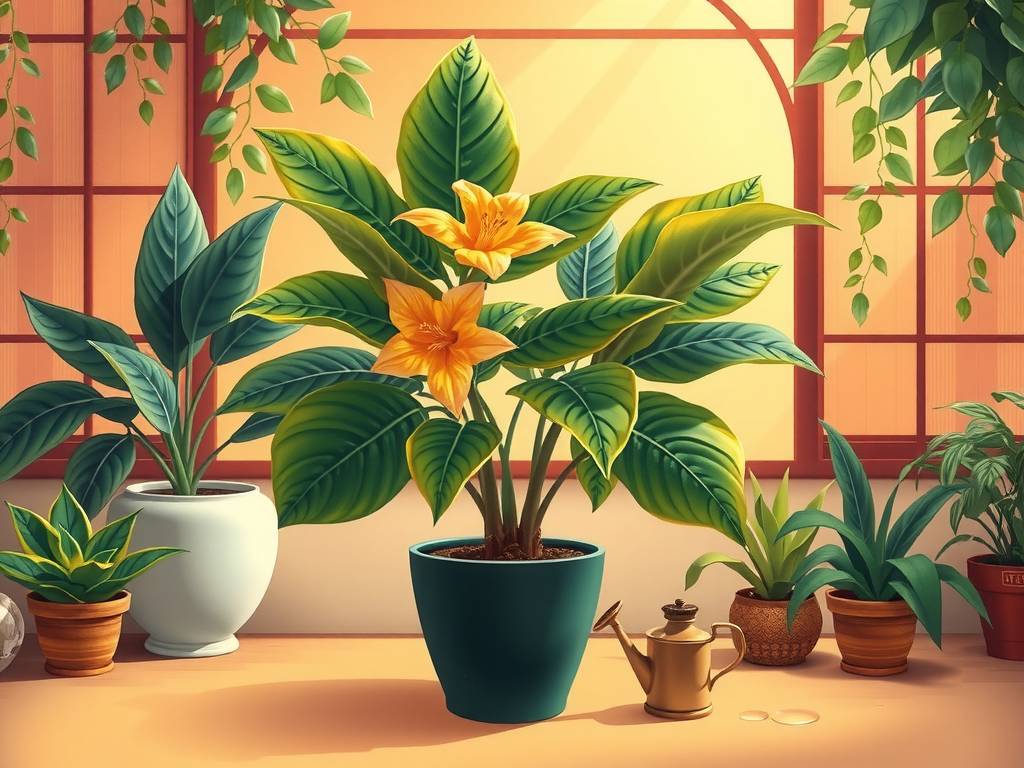
Often called the "Golden Edge" variety, this plant is prized for its striking variegated leaves. The deep green centers are dramatically outlined in a creamy, luminous gold, making it a standout houseplant. Beyond its looks, it's known for being relatively drought-tolerant and, when happy, can produce clusters of small, fragrant white flowers. Getting its care right revolves around mimicking its preferred warm, bright environment.
The Golden Rule: Perfect Light for Golden Edges
Light is the single most important factor in keeping your Brazilwood's variegation bright and beautiful. Those golden edges need energy to maintain their color.
Ideal Lighting Conditions Your Brazilwood craves bright, indirect light. Think of the dappled sunlight under a tree canopy. An east-facing window is often perfect, providing gentle morning sun. A spot a few feet back from a south or west-facing window, shielded by a sheer curtain, also works well.
What Happens with Incorrect Light? Too much direct, harsh sunlight will scorch the leaves, causing brown, crispy patches, especially on the prized golden edges. Conversely, too little light will cause the plant to become leggy as it stretches for the sun. The variegation will fade, and the leaves may revert to a solid, dull green. The goal is warm light that bathes the plant without burning it.
A Pro Tip for Even Growth Rotate your plant a quarter turn every time you water. This ensures all sides receive equal light, promoting symmetrical, balanced growth and preventing it from leaning heavily toward the window.
Mastering the Watering Balance: Drought-Tolerant Doesn't Mean No Water
The "drought-tolerant" label can be misleading. It means your Brazilwood can withstand occasional dry spells better than overwatering, but it still needs consistent moisture to thrive.
The Soak and Dry Method This is the fail-safe technique. Water your plant thoroughly until you see water freely draining from the bottom of the pot. Then, let the top 1-2 inches of soil dry out completely before watering again. You can check this with your finger. For a 6-inch pot, this might mean watering every 7-10 days, but always let the soil condition, not the calendar, be your guide.
Signs of Watering Issues Yellowing leaves that feel soft and mushy often point to overwatering and potential root rot. Brown, crispy leaf tips or edges are a classic sign of underwatering or low humidity. As a drought-tolerant species, it's always safer to err on the side of slightly dry rather than constantly wet.
The Role of Humidity While adaptable to average home humidity, your Brazilwood will appreciate a boost. Grouping plants together, using a pebble tray with water, or occasional misting can help maintain those lush, crisp leaves, especially during dry winter months.
Soil, Feeding, and Potting for Long-Term Health
The right foundation supports everything else. A well-draining potting mix is non-negotiable. A standard indoor plant mix amended with perlite or orchid bark for extra aeration is ideal. This prevents water from pooling around the roots.
Fertilizing for Growth and Flowers Feed your Brazilwood with a balanced, water-soluble fertilizer (like a 10-10-10 formula) diluted to half strength. Do this monthly during the active growing season (spring and summer). Stop fertilizing in fall and winter when growth slows. This gentle feeding supports both foliage and encourages the development of those fragrant flowers.
When and How to Repot Repot every 2-3 years in spring if the plant becomes root-bound. Choose a pot only 1-2 inches larger in diameter. Gently loosen the root ball, place it in the new pot with fresh soil, and water well. This gives the roots new space to grow without overwhelming them with too much soggy soil.
Troubleshooting Common Problems
Even with great care, issues can pop up. Here’s how to diagnose and fix them.
Brown Leaf Edges or Tips: This is commonly due to dry air, underwatering, or a buildup of salts and minerals from tap water. Switch to filtered or distilled water, ensure consistent watering, and increase humidity.
Leaf Drop: Sudden leaf drop can be a shock response to a drastic change in temperature, light, or from being moved. It can also signal chronic overwatering. Find a stable spot with good light and reassess your watering routine.
Pests: Keep an eye out for common pests like spider mites (look for fine webbing) or mealybugs (cotton-like fluff). Wipe leaves with a damp cloth regularly and treat infestations early with insecticidal soap or neem oil.
Encouraging Fragrant Flowers
The fragrant flowers are a delightful bonus. To maximize the chance of blooming, ensure your plant is mature enough (often several years old) and receiving excellent care. Consistent bright, indirect light, appropriate feeding during the growing season, and a slight reduction in watering during the winter rest period can help trigger the flowering cycle. Patience is key!
Why are the golden edges on my Brazilwood turning brown? This is typically caused by too much direct sunlight (scorching), low humidity, or chemical burn from tap water. Move the plant to a spot with bright, indirect light, increase ambient humidity, and try using filtered or rainwater for watering.
How often should I water my drought-tolerant Brazilwood? There's no fixed schedule. Use the "finger test": water deeply only when the top 1-2 inches of soil are completely dry. This could be weekly in summer and bi-weekly or less in winter. Its drought-tolerant nature means it prefers this cycle of thorough watering followed by a dry period.
Can I put my Brazilwood outside in the summer? Yes, but with caution. Acclimate it gradually to outdoor conditions over a week. Place it in a shaded or dappled sun location, never in direct afternoon sun. Bring it back inside well before nighttime temperatures drop below 55°F (13°C).
With its stunning golden-edged leaves and easy-going nature, the Brazilwood is a rewarding plant to grow. By providing it with warm, filtered light, watering wisely, and giving it well-draining soil, you’ll be rewarded with a robust, vibrant plant. Pay attention to its signals—a slight droop when thirsty, vibrant new growth when happy—and you’ll enjoy this tropical beauty for years to come, perhaps even accompanied by the sweet scent of its delicate flowers.