bluename
 How to Care for Your Dragon Tree (Golden Edge): A Complete Guide to Thriving Foliage
You've brought home a stunning Dragon Tree with golden-edged green leaves, drawn to its elegant, architectural form and promise of easy care. Yet, instead of flourishing, its leaves are turning brown, the vibrant golden edges are fading, or new growth seems stunted. This frustration is common. While the Golden Edge Dragon Tree (Dracaena marginata ‘Tricolor’ or similar cultivars) is famously drought-tolerant and adaptable, unlocking its full potential requires understanding its specific needs. This comprehensive guide will walk you through every step, transforming uncertainty into confidence and ensuring your plant becomes the resilient, radiant centerpiece it's meant to be.
Understanding Your Golden Edge Dragon Tree
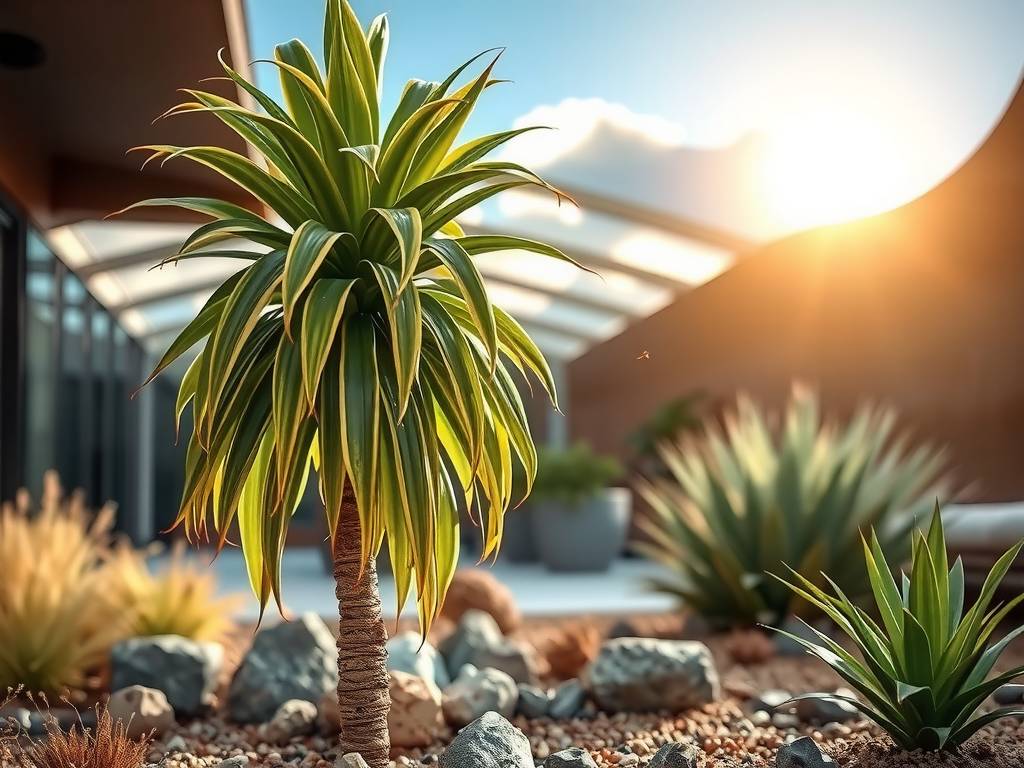
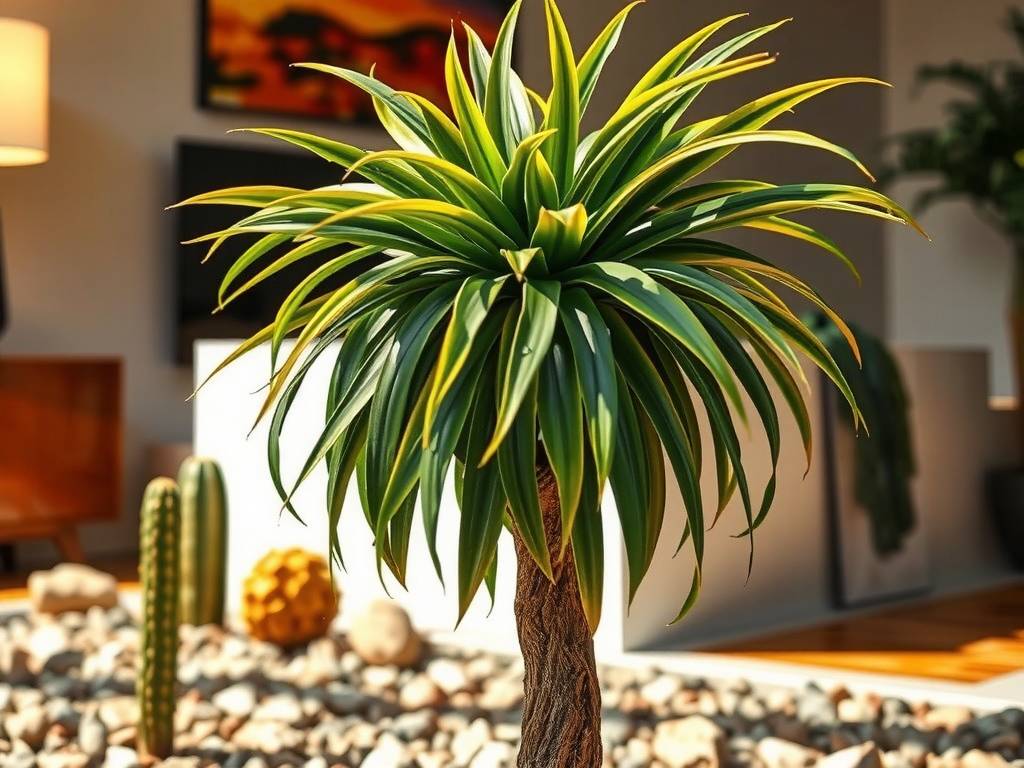
Often sold as Dracaena marginata ‘Tricolor’ or ‘Colorama’, this variety is distinguished by its slender, upright stems and clusters of narrow, sword-shaped leaves. The foliage is a masterpiece of color: green centers are sharply edged in creamy gold, often with a thin red or pink line separating the two, especially when grown in bright light. Native to Madagascar, it has evolved to withstand periods of dryness, storing water in its trunk. This inherent toughness makes it an excellent choice for busy plant owners, but "tough" doesn't mean "neglect-proof." Proper care revolves around mimicking its preferred conditions of bright, warm light and careful watering.
The Perfect Light: Warm and Bright, Not Harsh
Light is the most critical factor for maintaining the spectacular golden-edged green leaves that give this plant its name. Insufficient light will cause the plant to become leggy as it stretches for the sun, and the vivid gold and red pigments will fade, leaving mostly green, dull foliage.
- Ideal Placement: Provide bright, indirect light. An east-facing window is perfect, offering gentle morning sun. A spot a few feet back from a south or west-facing window, filtered by a sheer curtain, is also ideal. The warm light of the morning or late afternoon sun directly enhances the leaf variegation.
- What to Avoid: Avoid prolonged exposure to intense, direct midday sun, which can scorch the leaves, leaving brown, crispy patches. Deep shade, however, will slow growth and cause color loss.
- Pro Tip: Rotate your plant a quarter turn every time you water. This ensures all sides receive even light, promoting symmetrical growth and preventing the plant from leaning heavily toward the light source.
Mastering the Watering Routine: Embracing Drought Tolerance
Overwatering is the single fastest way to harm a Dragon Tree. Its drought-tolerant nature means it prefers to dry out between drinks. Soggy soil leads to root rot, signaled by yellowing leaves, soft stems, and a general decline.
- The Golden Rule: Water thoroughly only when the top 50-75% of the soil feels completely dry to the touch. In most indoor settings, this translates to watering every 2-3 weeks, but always check the soil first—this is more reliable than a calendar.
- How to Water: Take the plant to a sink and water slowly until excess water flows freely from the drainage holes. This ensures the entire root ball is hydrated. Let it drain completely before returning it to its decorative pot. Never let the plant sit in standing water.
- Signs to Watch For: Drooping or curling leaves often indicate thirst. Widespread yellowing, especially starting with lower leaves, and a musty soil smell typically point to overwatering.
Soil and Potting: The Foundation of Health
The right soil mix supports the watering strategy. Dragon Trees require a well-draining, aerated potting medium.
- Soil Mix: A standard, high-quality potting mix formulated for indoor plants is a good start. To improve drainage further, experts at the University of Florida IFAS Extension recommend amending it with 25-30% perlite or coarse sand. This creates an environment where water flows through easily, preventing root suffocation.
- Pot Choice: Always use a pot with adequate drainage holes. Terracotta pots are an excellent choice as they are porous, allowing soil to dry more evenly and reducing the risk of overwatering.
Temperature, Humidity, and Fertilizing
- Temperature: Your Dragon Tree thrives in average room temperatures between 65°F and 80°F (18°C - 27°C). Protect it from cold drafts, air conditioning vents, and sudden temperature drops below 55°F (13°C).
- Humidity: While it adapts to average household humidity, it appreciates a boost. Browning leaf tips can be a sign of air that is too dry. Mist the leaves occasionally, group plants together, or use a pebble tray to increase local humidity.
- Fertilizing: Feed sparingly. During the active growing season (spring and summer), apply a balanced, water-soluble fertilizer diluted to half-strength once a month. Do not fertilize in fall and winter when growth naturally slows.
Pruning and Propagation
- Pruning: To control height or encourage bushier growth, you can prune the main stem. Use clean, sharp shears to cut it to your desired height. New growth will typically sprout from one or more points just below the cut. You can also remove any brown or damaged leaves at the base of the leaf stem to keep the plant looking tidy.
- Propagation: The stem cuttings you prune are perfect for propagation. Allow the cut end to callous over for a day, then place it in a container with fresh water or moist potting mix. Roots will develop in a few weeks, giving you a new plant to enjoy or share.
Troubleshooting Common Problems
- Brown Leaf Tips: Usually caused by low humidity, fluoride in tap water, or a build-up of salts from fertilizer. Use distilled, filtered, or rainwater when possible, and flush the soil every few months by watering thoroughly until water runs freely from the bottom.
- Yellowing Leaves: If many leaves are yellowing, especially lower ones, overwatering is the likely culprit. Check the roots for rot (dark, mushy) and repot in fresh, dry soil if necessary.
- Pests: Spider mites and mealybugs can occasionally be an issue. Wipe leaves with a damp cloth regularly to deter them. For infestations, treat with insecticidal soap or neem oil.
Frequently Asked Questions
How often should I repot my Golden Edge Dragon Tree? Repot in spring only when it becomes root-bound—typically every 2-3 years. Signs include roots growing out of the drainage holes or slowed growth. Only move up one pot size (1-2 inches larger in diameter) to prevent excess soil from staying wet too long.
Can the Dragon Tree (Golden Edge) purify indoor air? Yes. According to the NASA Clean Air Study, Dracaena species are effective at removing common household toxins like formaldehyde, benzene, and trichloroethylene from the air, making them as functional as they are beautiful.
Is the Dragon Tree pet-friendly? No. Dracaena plants are toxic to cats and dogs if ingested, causing symptoms like vomiting, drooling, and loss of appetite. It's best to place this plant in a location inaccessible to curious pets.
With its striking golden-edged green leaves and sculptural form, the Dragon Tree is a testament to nature's artistry. By providing the right balance of warm light, respecting its drought-tolerant nature with careful watering, and offering a stable environment, you'll be rewarded with a robust, low-maintenance plant that purifies your air and elevates your space for years to come. Remember, the key is to observe your plant and respond to its signals—it will tell you exactly what it needs.