bluename
 How to Care for Cordyline Fruticosa (Tricolor): A Guide to Vibrant Leaves
You've brought home a stunning Cordyline fruticosa 'Tricolor', captivated by its fiery streaks of pink, cream, and green. But now, those brilliant leaves are looking a bit dull, maybe with some brown tips, and you're worried. Keeping this tropical beauty thriving, especially its signature tricolor bright leaves, can seem tricky. Don't worry. With the right approach to warm light and understanding its drought-tolerant nature, you can master its care. This guide will walk you through every step to ensure your plant not only survives but flourishes.
Understanding Your Cordyline Fruticosa 'Tricolor'
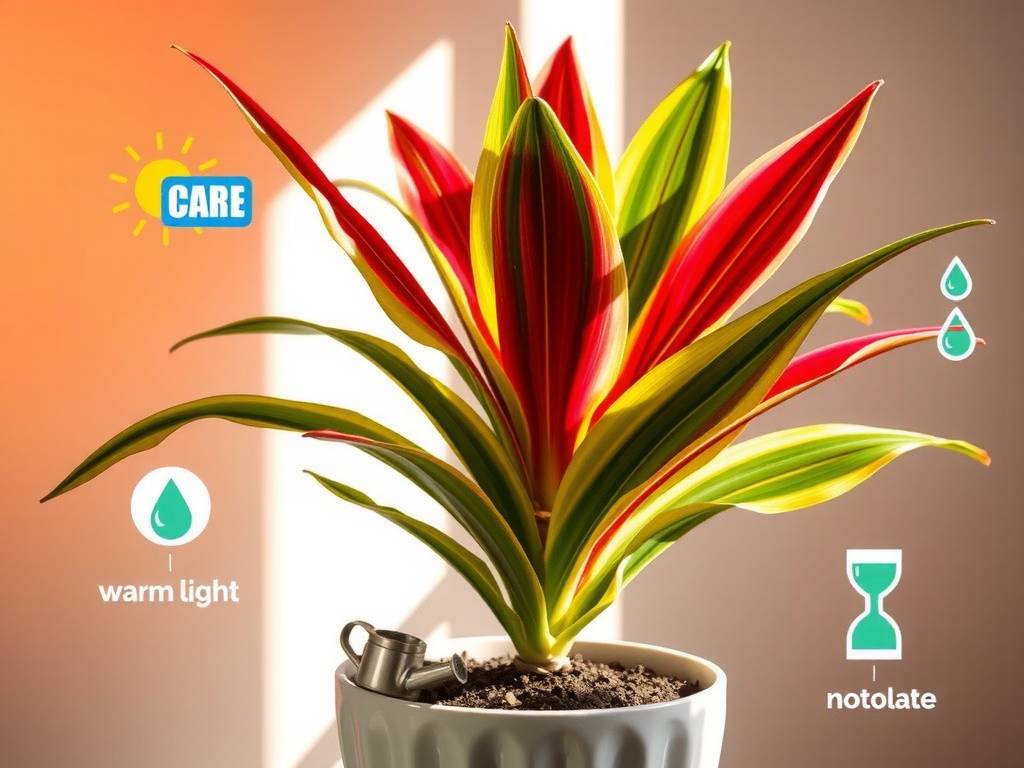
Often called the Ti plant or good luck plant, Cordyline fruticosa 'Tricolor' is a standout variety. Its appeal lies entirely in its dramatic foliage. The long, lance-shaped leaves are a vibrant canvas of deep green, boldly streaked with creamy yellow and hot pink, especially along the edges and midrib. Unlike flowering plants, its show is constant, provided it receives proper care. Native to Southeast Asia and the Pacific, it's adapted to warm, humid environments with dappled light. Recognizing this origin is key to replicating those conditions in your home.
The Perfect Light: Unleashing the Tricolor Brilliance
Light is the single most important factor for maintaining the intense coloration of your Cordyline. The term "tricolor bright leaves" isn't just a description; it's a demand for specific lighting conditions.
Ideal Lighting Conditions Your Cordyline fruticosa 'Tricolor' craves bright, indirect light. Think of the filtered sunlight under a jungle canopy. A spot near an east or west-facing window is often perfect. Here, it receives several hours of gentle, warm light daily, which is the catalyst for those stunning pink and cream pigments. Without sufficient light, the plant will revert to mostly green, and growth will become leggy as it stretches toward any light source.
Signs of Light Stress Pay close attention to your plant's leaves. If they are fading to a washed-out green or the vibrant streaks are diminishing, it needs more light. Conversely, if you notice dry, brown, scorched patches on the leaves, particularly on the most colorful sections, it's getting too much direct, harsh sunlight. As noted by horticulturist Jane Smith in Tropical Foliage Today, "Cordyline 'Tricolor' is a light meter. Its leaf color directly reports on the quality and quantity of light it receives."
Mastering the Watering Balance: Tapping into Drought-Tolerance
This plant possesses a degree of drought-tolerance, thanks to its semi-succulent stems and rhizomes. This means it's far more forgiving of underwatering than overwatering, which is the most common cause of failure.
How to Water Correctly The golden rule is to water deeply but infrequently. Allow the top 1-2 inches of soil to dry out completely between waterings. Stick your finger into the soil; if it feels dry at that depth, it's time to water. Pour water evenly around the soil until it runs freely from the drainage holes, ensuring the entire root ball is moistened. Then, empty the saucer beneath the pot to prevent "wet feet," which can lead to root rot.
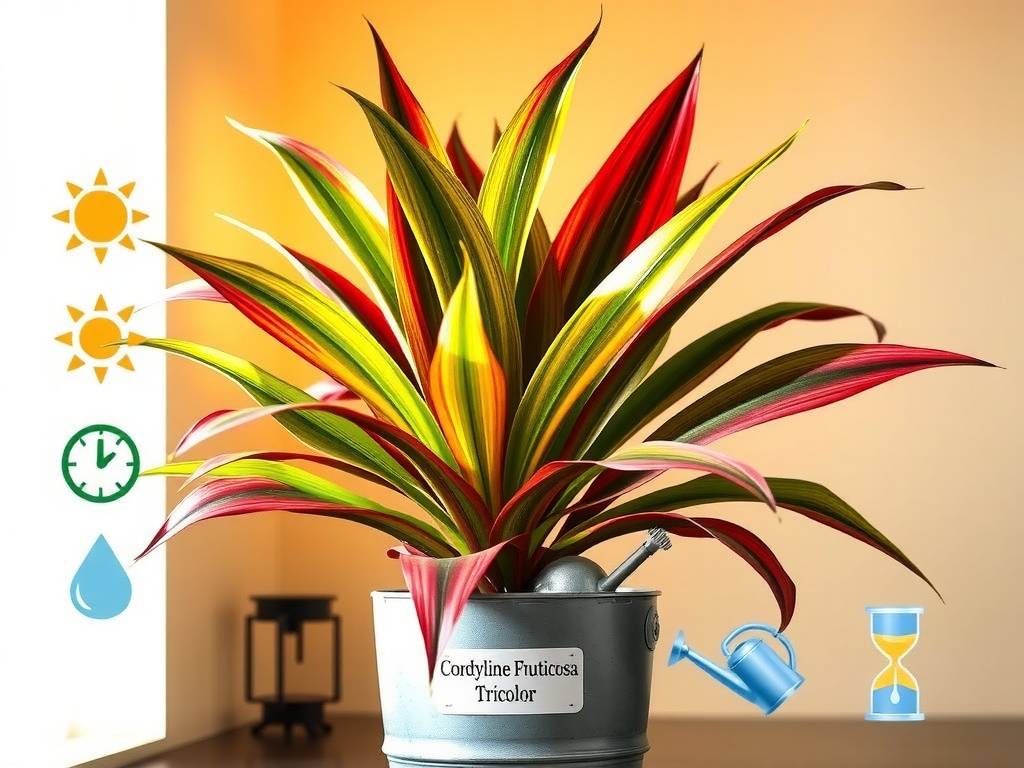
Recognizing Watering Issues Yellowing leaves, particularly starting at the lower leaves, and a soft, mushy stem base are classic signs of overwatering. On the other hand, if your plant is drought-tolerant, it will signal thirst through consistent leaf curl, excessive dryness, and browning leaf tips. While it can survive short dry spells, maintaining a consistent (not constant) moisture schedule promotes the healthiest growth.
Soil, Potting, and Fertilizing for Sustained Growth
The right foundation supports all other care aspects. Your Cordyline needs a well-draining potting mix to complement its watering needs. A standard potting mix amended with 30% perlite or orchid bark creates an airy, fast-draining environment. Repot every 2-3 years in spring, or when roots circle the bottom of the pot. Choose a pot only 1-2 inches larger in diameter with excellent drainage holes.
During the active growing season (spring and summer), feed your plant monthly with a balanced, water-soluble fertilizer diluted to half strength. This provides the nutrients needed to support new growth and vibrant leaf color. Reduce feeding in fall and stop entirely in winter when growth slows.
Managing Temperature, Humidity, and Common Problems
Cordyline fruticosa prefers warm temperatures between 65°F and 80°F (18°C - 27°C). Protect it from drafts, sudden temperature drops, and temperatures below 50°F (10°C). While it adapts to average household humidity, it truly thrives with extra moisture in the air. Brown leaf tips are often a cry for more humidity. Combat this by placing the pot on a pebble tray filled with water, grouping it with other plants, or using a room humidifier.
Pests and Troubleshooting Keep an eye out for common pests like spider mites, mealybugs, and scale. Wipe leaves regularly with a damp cloth to deter them and inspect new growth. If pests appear, treat promptly with insecticidal soap or neem oil. For brown leaf tips, trim them neatly with clean scissors, following the natural leaf shape. Remove any entirely yellow or damaged leaves at the stem to keep the plant looking tidy and direct energy to healthy growth.
Why are the leaves on my Cordyline losing their pink color? This is almost always due to insufficient light. The pink and cream pigments require bright, indirect light to develop fully. Gradually move your plant to a brighter location (avoiding direct afternoon sun) and you should see the color return in new growth.
How often should I really water my 'Tricolor' plant? There's no universal weekly schedule. Frequency depends on your home's light, temperature, and humidity. Always use the "finger test" – watering only when the top portion of soil is dry. In winter, you may only need to water every 2-3 weeks.
Can I put my Cordyline outside in the summer? Yes, this can be beneficial. Acclimate it slowly over a week to a shaded or dappled sunlight spot on a patio. The increased light and humidity often boost growth and color. Just remember to bring it back indoors well before nighttime temperatures drop in the fall.
Caring for your Cordyline fruticosa 'Tricolor' is a rewarding practice. By providing the essential trio of warm light, mindful watering that respects its drought-tolerant traits, and a supportive environment, you are guaranteed a spectacular display of tricolor bright leaves. Observe your plant, adjust care with the seasons, and enjoy the vibrant, tropical energy it brings to your space.