bluename
 How to Care for Cigar Plant (Red Leaf): Your Guide to Vibrant Foliage and Blooms
Have you brought home a stunning cigar plant, captivated by its fiery, bright red leaves, only to watch it struggle or lose its vibrant color? You're not alone. Many plant enthusiasts find themselves puzzled by the specific needs of this unique tropical beauty. Unlike common houseplants, the cigar plant (Cuphea ignea), particularly the prized red-leaf varieties, thrives under a specific set of conditions that mimic its native habitat. The key to unlocking its full potential lies in understanding its love for warm light and its surprising drought tolerance. This comprehensive guide will walk you through every step, ensuring your cigar plant becomes a long-lasting, eye-catching centerpiece in your home or garden.
Understanding Your Cigar Plant: Origins and Key Features
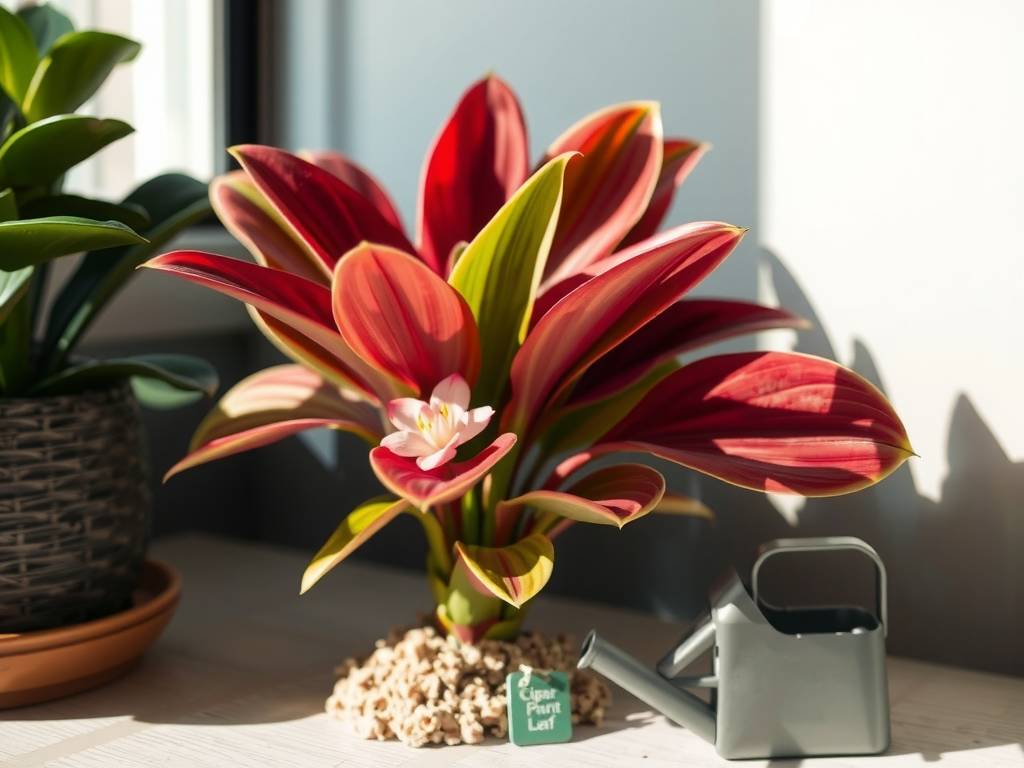
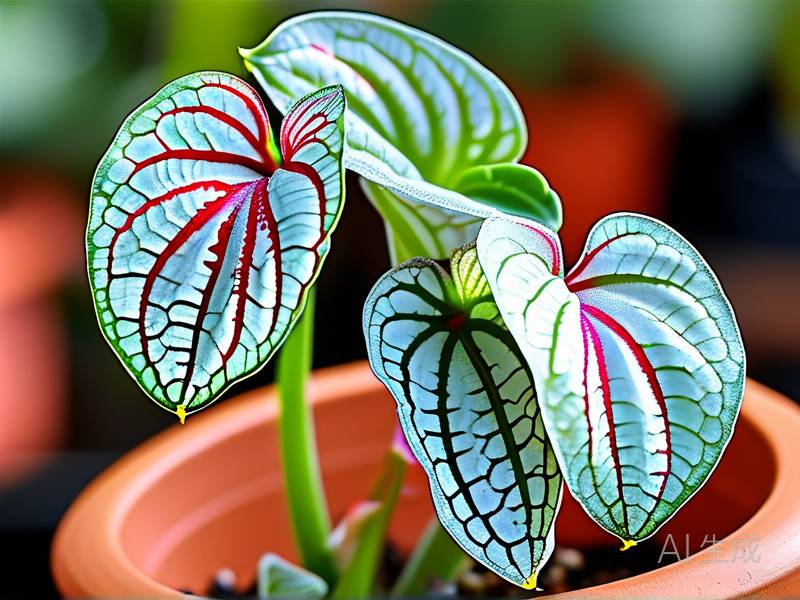
Native to Mexico and the Caribbean, the cigar plant is a perennial shrub in warm climates, often grown as an annual in cooler regions. Its common name comes from the small, tubular, pale red flowers that resemble a lit cigar with a white ash tip. However, the real showstopper for many cultivars is the foliage. The leaves can range from a rich green to a brilliant, almost fluorescent red, especially when the plant receives ample light. This color intensity is a direct response to its environment, making proper care non-negotiable for that sought-after crimson display.
The Perfect Environment: Light, Temperature, and Humidity
Providing the right environment is the most critical factor in caring for your red leaf cigar plant. This plant is a sun worshipper.
Ideal Light Conditions for Red Foliage To achieve and maintain those bright red leaves, your cigar plant demands abundant, warm light. Aim for at least 6 to 8 hours of bright, indirect or direct sunlight daily. An east or south-facing window is ideal indoors. Insufficient light is the primary reason for fading leaf color and leggy, sparse growth. The plant may survive in lower light, but its signature red hue will revert to green, and flowering will be minimal. If you notice the red dimming, it's a clear signal to increase light exposure.
Optimal Temperature and Humidity Ranges True to its tropical origins, the cigar plant prefers warmth. It thrives in temperatures between 65°F and 80°F (18°C - 27°C). It is highly sensitive to frost and cold drafts; temperatures below 50°F (10°C) can cause significant damage or kill the plant. As for humidity, while it appreciates moderate levels, its drought-tolerant nature means it adapts well to average household humidity. However, during dry winters, occasional misting or a pebble tray can prevent leaf tips from browning.
Mastering Watering and Soil: The Balance of Drought Tolerance
This is where many go wrong. Despite its lush appearance, the cigar plant has excellent drought-tolerant qualities. Overwatering is a far greater threat than underwatering.
Creating a Watering Schedule The golden rule is to water deeply but infrequently. Allow the top 1-2 inches of soil to dry out completely between waterings. Insert your finger into the soil; if it feels dry at that depth, it's time to water. In the growing season (spring and summer), this might be once a week. In winter, watering may only be needed every two to three weeks. The plant will wilt slightly when thirsty, which is a reliable indicator. It's better to err on the side of dryness.
Choosing the Right Soil Mix Excellent drainage is non-negotiable. Use a high-quality, well-draining potting mix. A cactus or succulent potting soil is an excellent choice, or you can amend a standard potting mix with perlite or coarse sand (about a 3:1 ratio). This ensures the roots are never left sitting in soggy soil, which quickly leads to root rot—the main killer of cigar plants.
Feeding, Pruning, and Encouraging Blooms
With the basics of light and water mastered, a little extra care will push your plant from surviving to thriving.
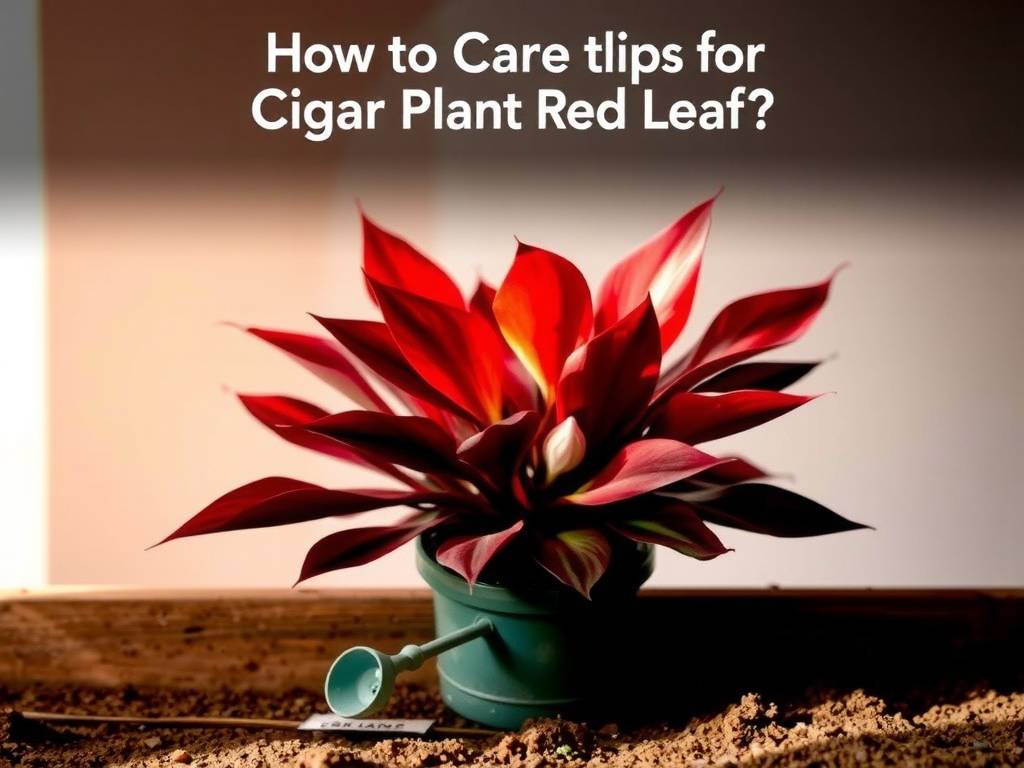
Fertilizing for Growth and Color Feed your cigar plant with a balanced, water-soluble fertilizer (e.g., 10-10-10) diluted to half-strength. Apply it once a month during the active growing season (spring through early fall). Avoid fertilizing in the winter when growth slows. A light feed supports both the vibrant foliage and the production of its unique pale red flowers.
Pruning and Shaping Your Plant Regular pruning promotes a bushier, more compact plant. Pinch back the stem tips, especially in early spring, to encourage branching. Don't be afraid to deadhead spent flowers and trim any leggy or discolored growth. This not only improves appearance but also directs the plant's energy toward producing new red leaves and blooms.
Troubleshooting Common Cigar Plant Problems
Even with great care, issues can arise. Here’s how to diagnose and fix them.
- Leaves Losing Red Color: This is almost always due to insufficient light. Gradually move the plant to a brighter location.
- Yellowing Leaves: Often a sign of overwatering. Check the soil moisture and ensure your pot has drainage holes. Let the soil dry out more between waterings.
- Leggy Growth: Indicates the plant is stretching for light. Prune it back and provide more direct sunlight.
- Lack of Flowers: Insufficient light or excessive nitrogen fertilizer can inhibit blooming. Increase light exposure and switch to a fertilizer with a higher phosphorus content (the middle number in the N-P-K ratio).
Propagating Your Cigar Plant
Want more of these fiery beauties? Propagation is straightforward. Take 3-4 inch stem cuttings in spring or summer, remove the lower leaves, and dip the end in rooting hormone. Plant the cutting in a moist, well-draining mix. Keep it warm and lightly moist until new growth appears, indicating roots have formed.
How often should I water my cigar plant indoors? There's no fixed weekly schedule. Always check the soil first. Water only when the top 1-2 inches are completely dry. This could mean weekly in a hot, sunny spot or bi-weekly in cooler, low-light conditions.
Can my cigar plant live outside? Absolutely, and it often thrives outdoors in the right climate. Plant it in a sunny spot after all danger of frost has passed. It makes an excellent container plant for patios or a colorful addition to sunny garden borders in USDA zones 9-11. Remember, it cannot tolerate freezing temperatures.
Why are the tips of my cigar plant's leaves turning brown? Brown leaf tips are typically caused by low humidity, especially when combined with indoor heating or air conditioning. While the plant is drought-tolerant, very dry air can cause this. Try grouping it with other plants, using a humidifier, or placing it on a pebble tray with water to increase local humidity.
By replicating its preferred conditions of abundant warm light and well-drained, occasionally dry soil, you will be rewarded with a spectacular display of bright red leaves and delicate pale red flowers. This resilient plant asks for little but gives back so much in visual impact. Pay attention to its signals—vibrant color when happy, subtle wilting when thirsty—and you'll enjoy the unique charm of the cigar plant for seasons to come.