bluename
 How to Care for Parlor Palm (Clumping): Your Guide to a Lush, Cute Indoor Jungle
You've brought home that beautiful, clumping Parlor Palm, enchanted by its delicate, arching fronds and that adorable, bushy shape. It promises a touch of serene, tropical elegance to your living space. But now, questions creep in. Why are the leaf tips turning brown? Is it getting too much sun, or not enough water? How do you keep that charming, clumping form from becoming sparse or leggy? You're not alone. Many plant lovers find themselves puzzled by the specific needs of this seemingly easy-going plant. The secret to a thriving Parlor Palm lies in mastering a few key principles: providing warm partial shade, maintaining consistent moisture without waterlogging, and nurturing its naturally clumping, cute shape. This comprehensive guide will walk you through every step, transforming uncertainty into confidence and ensuring your palm becomes the lush, healthy centerpiece you envisioned.
Understanding Your Parlor Palm's Origins
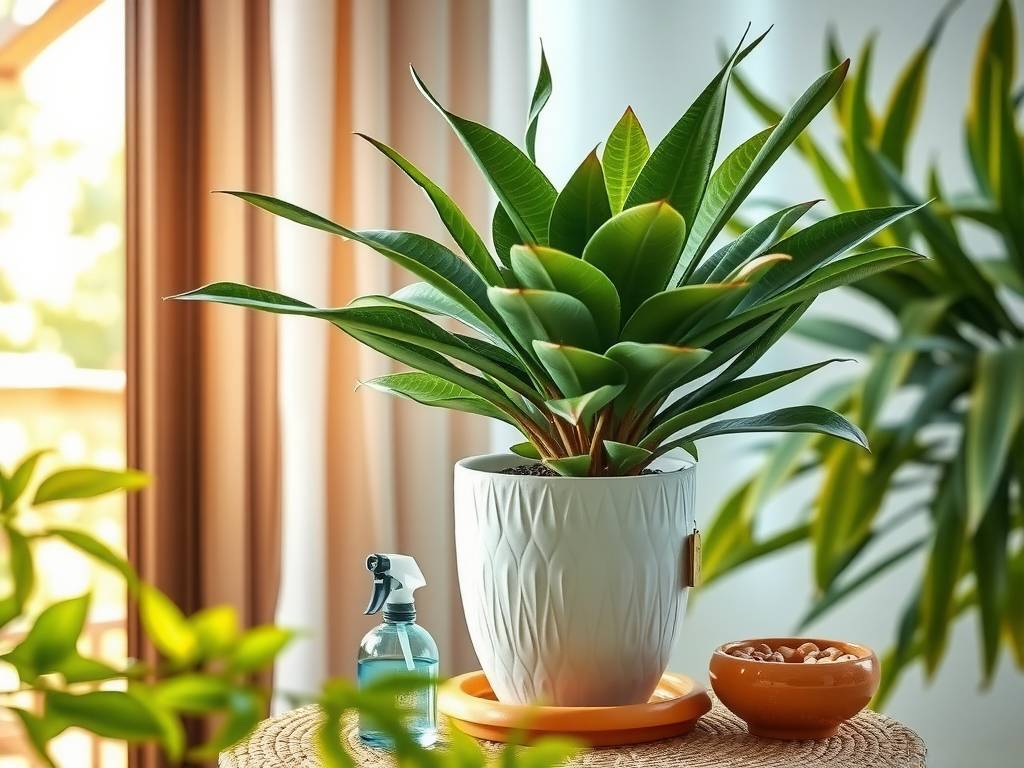
To care for it well, it helps to know where it comes from. The Parlor Palm (Chamaedorea elegans) is native to the rainforests of Southern Mexico and Guatemala. There, it thrives on the forest floor, enjoying the dappled light that filters through the canopy—this is the essence of "warm partial shade." It grows in rich, well-draining soil that stays moist but is never swampy. Its growth habit is naturally clumping, meaning it sends up multiple stems from the base to create a full, bushy appearance rather than a single trunk. Replicating these conditions at home is the straightforward path to success.
Creating the Perfect Light: Warm Partial Shade
The term "partial shade" is crucial. This is the most common make-or-break factor for a Parlor Palm.
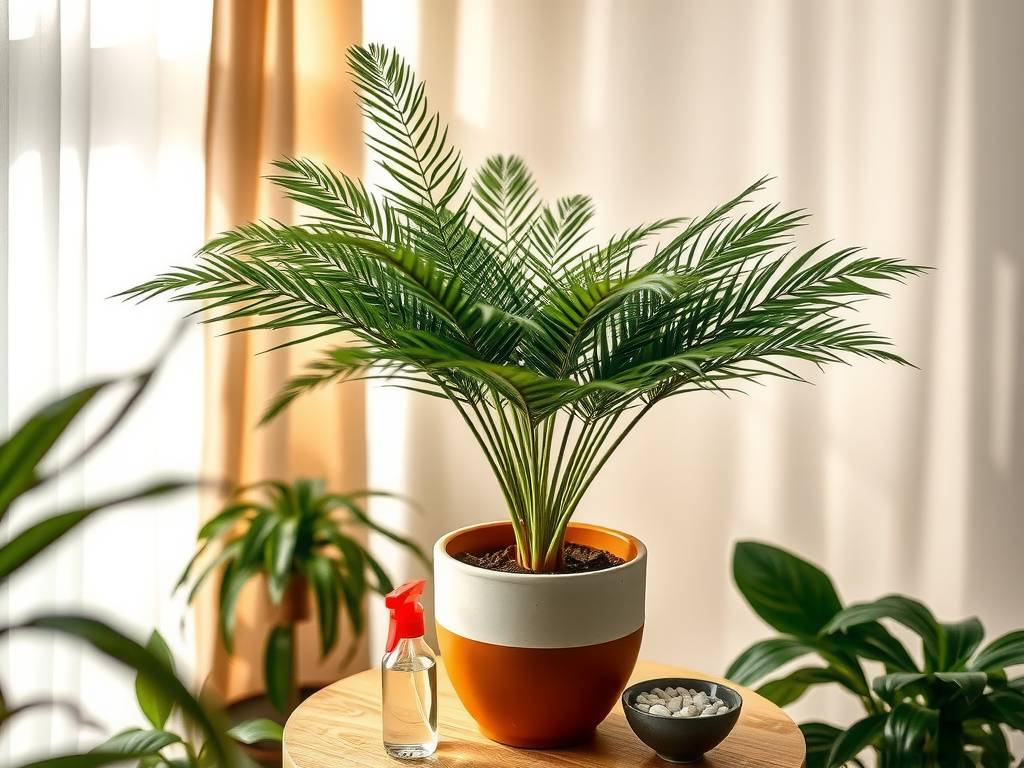
- Ideal Placement: North or East-facing windows are typically perfect, offering bright, indirect light. A spot a few feet back from a South or West-facing window, shielded by a sheer curtain, also works beautifully. The "warm" part of the equation means avoiding cold drafts from windows or air conditioning vents.
- Signs of Too Much Light: If your palm's leaves are turning yellowish, looking washed out, or developing crispy, brown scorch marks, it's likely getting too much direct sun. Move it to a shadier spot immediately.
- Signs of Too Little Light: While tolerant of lower light, insufficient light will cause extremely slow growth and may lead to a stretched, leggy appearance as the plant reaches feebly for light. The charming clumping shape may fail to fill in. If you notice this, gradually move it to a brighter location (but still out of direct sun).
A study on understory plants published in the Journal of Tropical Forest Science emphasizes that plants like Chamaedorea have evolved photosynthetic mechanisms optimized for fluctuating, low-light environments, making direct sunlight not just unnecessary but actively harmful.
The Art of Watering: Moist, But Never Soggy
Watering is where many well-intentioned plant parents stumble. The goal is consistently moist soil, which is different from constantly wet soil.
- The Finger Test: This is your most reliable tool. Insert your finger about an inch into the soil. If it feels dry, it's time to water. If it still feels moist, wait another day or two.
- Watering Technique: Water thoroughly until you see water begin to drain freely from the bottom of the pot. This ensures the entire root ball gets hydrated. Crucially, always empty the saucer or cache pot after 15-20 minutes. Letting the pot sit in standing water is the fastest route to root rot—the ultimate "waterlogging" hazard.
- Water Quality: These palms can be sensitive to chemicals in tap water, like fluoride and chlorine, which can cause brown leaf tips. Using filtered, distilled, or rainwater is ideal. If using tap water, let it sit out overnight to allow some chemicals to dissipate.
- Seasonal Adjustments: Your palm will drink more in the warm, bright growing season (spring and summer) and less during the dormant period (fall and winter). Always let the soil condition, not the calendar, guide you.
Mastering Soil and Potting for a Healthy Clump
The right foundation supports everything. Your palm needs a soil mix that retains some moisture yet drains excess water rapidly.
- The Ideal Mix: A high-quality, peat-based potting mix formulated for indoor palms is excellent. For even better drainage, many experts, like those at the Royal Horticultural Society, recommend creating a custom blend: two parts peat-free potting compost to one part perlite or coarse horticultural sand. This creates an airy structure that prevents compaction and waterlogging around the roots.
- Pot Selection: Always choose a pot with drainage holes. Terracotta pots are fantastic as they are porous, allowing soil to dry more evenly and reducing the risk of overwatering. When repotting to encourage continued clumping growth, only move up one pot size (about 1-2 inches larger in diameter) every 2-3 years.
Feeding and Grooming for that Cute, Bushy Shape
A well-fed palm is a full, vibrant palm. During the active growing season (spring through early fall), feed your Parlor Palm monthly with a balanced, water-soluble fertilizer diluted to half-strength. Avoid feeding in winter when growth has slowed.
Grooming is simple but essential for maintaining aesthetics:
- Gently remove any completely brown or yellow fronds at the base using clean, sharp scissors.
- Wipe the leaves with a damp cloth every few weeks to remove dust, allowing the plant to breathe and photosynthesize efficiently.
- To encourage the clumping form, avoid dividing the plant too frequently. The dense, cute shape comes from letting the multiple stems grow together. You can rotate the pot a quarter turn every time you water to ensure even light exposure and symmetrical growth.
Troubleshooting Common Problems
- Brown Leaf Tips: Usually a sign of low humidity, chemicals in water, or occasional underwatering. Increase humidity by misting regularly, using a pebble tray, or placing a humidifier nearby. Switch to filtered water if possible.
- Yellowing Lower Leaves: It's normal for the oldest fronds to yellow and die off occasionally. If it's widespread, check for overwatering or poor drainage.
- Pests: Keep an eye out for spider mites (especially in dry air) and mealybugs. Wipe leaves regularly and treat any infestations early with insecticidal soap or neem oil.
My Parlor Palm isn't producing new fronds. What's wrong? This is most commonly due to insufficient light or a need for fertilizer. Ensure it's in a spot with adequate bright, indirect light and that you are feeding it during the growing season. Also, remember that growth naturally slows in fall and winter.
Can I put my clumping Parlor Palm outside in the summer? Yes, but with great care. It must be placed in full, deep shade—never in direct sun. A covered patio or under a dense tree is ideal. Always acclimate it gradually over a week to avoid shock, and bring it back inside well before nighttime temperatures drop below 55°F (13°C).
How do I propagate my palm to create more plants? The most effective way to propagate a clumping Parlor Palm is by division. During repotting in spring, gently separate a cluster of stems with healthy, attached roots using your hands or a clean knife. Pot the division in its own container with fresh soil, water it, and care for it as you would a mature plant. This helps maintain the desirable clumping characteristic.
Caring for a clumping Parlor Palm is a rewarding practice in mindful plant stewardship. By faithfully providing its preferred conditions of gentle light, consistent moisture, and a well-draining home, you are not just keeping a plant alive—you are allowing a piece of the rainforest understory to flourish in your home. Its resilient yet graceful nature, with that uniquely cute and bushy form, will reward your attention with years of serene, lush greenery. Observe its responses, adjust your care with the seasons, and enjoy the slow, steady growth of your very own indoor oasis.