bluename
 How to Care for Your Areca Palm (Clumping): The Ultimate Guide to Lush, Tropical Foliage
You’ve brought home a beautiful clumping areca palm, dreaming of its graceful, feathery fronds transforming your space into a tropical oasis. But now, you notice the tips turning brown, the soil feels unpredictable, and that lush, dense clump you fell in love with seems less vibrant. Keeping this popular indoor palm thriving isn't about constant fussing; it's about understanding its core needs for warm humidity and its surprisingly drought-tolerant nature. This comprehensive guide will walk you through every step, ensuring your clumping palm with its elegant pinnate leaves remains the centerpiece of your home.
Understanding Your Clumping Areca Palm
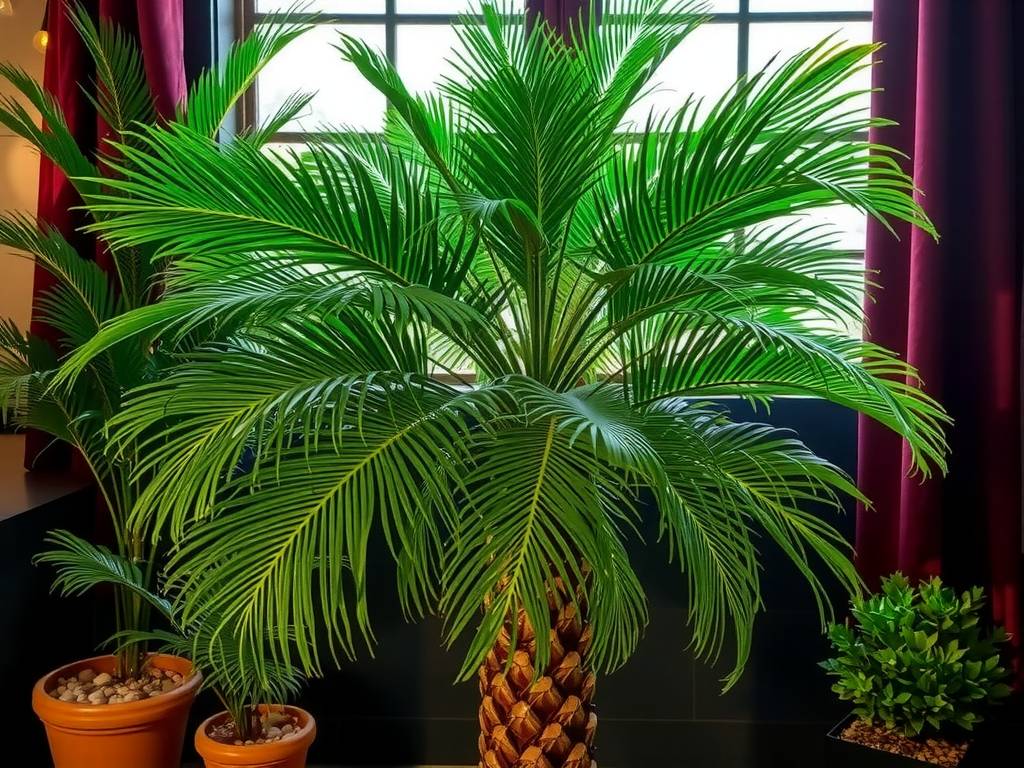
Native to Madagascar, the areca palm (Dypsis lutescens), often sold as the butterfly palm, is prized for its soft, arching fronds and clustering, cane-like stems. The term "clumping" is key—unlike single-stem palms, it grows in dense groups, creating a full, bushy appearance. Each frond displays pinnate leaves, meaning leaflets are arranged on opposite sides of the stem, resembling a feather. This structure is not just beautiful; it's a clue to the plant's care, influencing how it handles light and humidity.
Creating the Perfect Environment: Warmth and Humidity
Light Requirements for Healthy Growth
Your areca palm craves bright, indirect light. Think of the dappled sunlight under a forest canopy. A spot near an east or north-facing window is often ideal. Direct afternoon sun can scorch those delicate pinnate leaves, causing unsightly yellow or brown patches. If you only have south or west exposure, use a sheer curtain to filter the intensity. According to a study by the University of Florida's IFAS Extension, proper light levels are crucial for maintaining the metabolic processes that keep palms like the areca green and growing.
Mastering Temperature and Humidity
Here’s where the "warm humid" part shines. Areca palms thrive in temperatures between 65°F and 75°F (18°C - 24°C). Avoid cold drafts from windows, doors, or air conditioning vents, as temperatures below 50°F (10°C) can cause significant damage.
Humidity is the secret weapon for preventing brown tips. These palms prefer 40-50% humidity or higher. In dry indoor environments, especially during winter, employ these strategies:
- Group plants together to create a microclimate.
- Place the pot on a pebble tray filled with water (ensure the pot sits above the water line).
- Use a room humidifier nearby. As noted by horticulturist and author Jane Perrone, consistent ambient humidity is often more effective than frequent misting for preventing leaf desiccation in tropical foliage plants.
Watering Wisdom: Embracing Its Drought-Tolerant Side
Perhaps the most common mistake is overwatering. While it enjoys consistent moisture, the areca palm has a moderate drought tolerance thanks to its root structure. The goal is to mimic a tropical downpour followed by a period of drainage.
Develop a "soak and dry" routine. Water thoroughly until it runs freely from the drainage holes, ensuring the entire root ball is hydrated. Then, let the top 1-2 inches of soil dry out completely before watering again. Stick your finger into the soil—it’s the most reliable tool. In winter, reduce watering frequency as growth slows. Soggy soil is a fast track to root rot, which manifests as wilting, yellowing fronds despite wet soil.
Soil and Fertilization: The Foundation of Health
Use a well-draining, peat-based potting mix. A blend formulated for palms or cacti/succulents, amended with some perlite or orchid bark, works perfectly. This ensures aeration and prevents waterlogging.
Feed your palm during the active growing season (spring and summer) with a balanced, water-soluble fertilizer diluted to half-strength. A monthly feeding is sufficient. Avoid fertilizing in fall and winter. An annual top-dressing with fresh compost can provide slow-release nutrients and improve soil structure.
Pruning and Maintenance for a Beautiful Clump
Pruning is straightforward. Remove entire fronds that have turned completely brown or yellow at the base, using clean, sharp shears. Never cut off just the brown tips, as this can lead to further browning. Regularly dust the pinnate leaves with a soft, damp cloth to allow for efficient photosynthesis. This also gives you a chance to inspect for pests like spider mites, which dislike humid conditions.
Repotting to Sustain Growth
Repot your clumping areca palm every 2-3 years in spring if it becomes root-bound. Choose a pot only 1-2 inches larger in diameter. Gently tease apart the root ball if you wish to manage the size of the clump, or simply place the entire root mass into the new container with fresh soil.
Troubleshooting Common Issues
- Brown Leaf Tips: Usually a sign of low humidity, underwatering, or fluoride/chlorine in tap water. Use filtered or distilled water and increase humidity.
- Yellowing Leaves: Often indicates overwatering or poor drainage. Check your soil moisture and ensure the pot drains well.
- Pale Leaves or Slow Growth: Typically a cry for more light or nutrients. Move to a brighter location and ensure a proper feeding schedule.
My areca palm is developing brown spots on the stems. Is this normal? Yes, this is typically normal. The mature stems of a clumping areca palm naturally develop small brown spots or rings, which are just old leaf scars. They are part of the plant's characteristic look. However, if the spots are soft, mushy, or accompanied by a foul smell, it could indicate stem rot from overwatering.
Can I place my clumping palm outdoors in the summer? Absolutely, and it will often thank you with a growth spurt. Acclimate it gradually to avoid sunburn, placing it in a shaded or partially shaded patio location. Remember to water it more frequently outdoors as pots dry out faster, and bring it back inside well before nighttime temperatures drop below 55°F (13°C).
How fast does a clumping areca palm grow, and how tall will it get indoors? With proper care in warm, humid conditions, it is a moderately fast grower, adding 6-10 inches per year. Indoors, it typically maxes out at 6-8 feet tall, with a spread of 3-5 feet, making it a substantial but manageable floor plant. Its drought-tolerant nature helps it adapt to less-than-perfect watering schedules once established.
Caring for a clumping areca palm is a rewarding journey. By providing bright, indirect light, maintaining warm humidity, and respecting its drought-tolerant tendencies with a careful watering hand, you’ll be rewarded with a stunning arching specimen. Its resilient clumping form and soft pinnate leaves bring a timeless, tropical elegance that purifies the air and soothes the soul. Observe your plant, adjust to its signals, and enjoy the lush, green haven you’ve cultivated.