bluename
 How to Care for Your Clumping Kentia Palm: A Complete Guide to Lush, Upright Growth
You've brought home a beautiful clumping Kentia Palm, drawn to its elegant, upright fronds and full, tropical appearance. But now, you might be wondering: why are the leaf tips turning brown? Is it getting enough light, or too much? How do you keep that gorgeous clumping form thriving without the plant becoming waterlogged? Caring for a clumping Kentia Palm (Howea forsteriana) is simpler than you think once you understand its core needs for warm partial shade, consistent moisture, and excellent drainage.
This guide will walk you through every step, transforming uncertainty into confidence and ensuring your palm becomes the stunning, healthy focal point you envisioned.
Understanding Your Clumping Kentia Palm's Natural Habitat
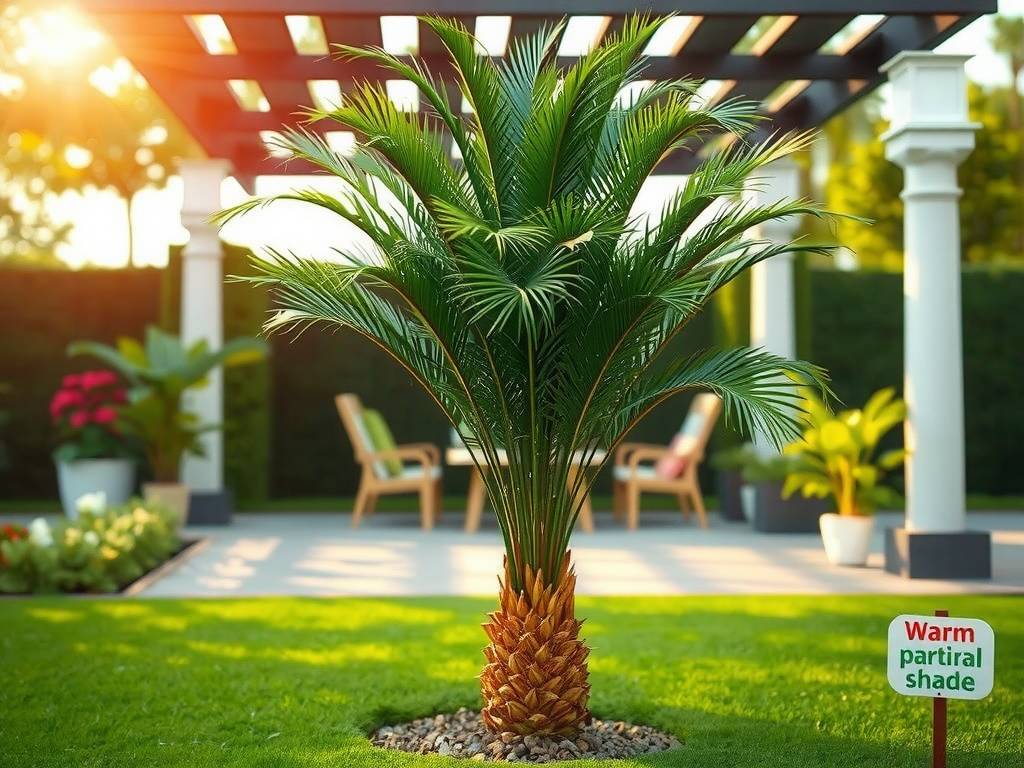
To care for it well, think of its origins. The Kentia Palm hails from Lord Howe Island in the South Pacific, where it grows in the sheltered understory of forests. This environment provides the key to its care: dappled sunlight (warm partial shade), high humidity, and rich, well-draining soil that stays moist but never soggy. The "clumping" variety specifically grows multiple stems from the base, creating a denser, bushier appearance compared to the single-stemmed type. Mimicking these conditions is your direct path to success.
The Golden Rule: Perfecting Light and Warmth (Warm Partial Shade)
Light is the most critical factor. Your Kentia Palm thrives in bright, indirect light. Think of the light filtered through a sheer curtain. An east or north-facing window is often ideal. A spot a few feet back from a south or west-facing window, shielded from direct rays, also works perfectly.
- Signs of Too Much Direct Sun: Leaves will develop yellow patches, brown crispy tips, or even bleached, scorched areas. This damages the plant's ability to photosynthesize effectively.
- Signs of Too Little Light: Growth will become extremely slow, the new fronds may emerge weak and spindly (leggy), and the overall vibrant green may fade. The characteristic upright leaves may start to droop or splay outward seeking light.
- The "Warm" in Partial Shade: Kentia Palms prefer temperatures between 65°F (18°C) and 85°F (29°C). Protect them from drafts, air conditioning vents, and sudden temperature drops below 55°F (13°C), which can cause shock and leaf damage.
Mastering the Art of Watering: Moist, But Never Waterlogged
This is where many palm owners stumble. The goal is consistently moist soil, not wet or dry extremes. The phrase "no waterlogging" is non-negotiable, as soggy roots quickly lead to fatal root rot.
- The Finger Test: Before watering, insert your finger about 2 inches into the soil. If it feels dry, it's time to water. If it still feels moist, wait a few more days.
- Water Thoroughly: When you water, do so slowly and evenly until you see water begin to drain freely from the bottom of the pot. This ensures the entire root ball is hydrated.
- Empty the Saucer: Always discard any water that collects in the drainage saucer after 15-20 minutes. Never let the pot sit in standing water.
- Seasonal Adjustments: Water less frequently in fall and winter when growth slows and evaporation is lower. You may need to water more often in warm, bright summer months.
The Foundation: Soil and Potting for Healthy Roots
The right soil mix makes achieving "moist, no waterlogging" infinitely easier. A well-draining, peat-based potting mix is essential. You can use a high-quality all-purpose potting soil amended with 1/3 perlite or orchid bark to dramatically improve aeration and drainage. This creates air pockets in the soil, preventing compaction and allowing roots to breathe—effectively guarding against waterlogging.
Choose a pot with multiple drainage holes. A breathable material like terracotta can help wick away excess moisture, but plastic or ceramic pots are fine as long as you are vigilant with the finger test.
Feeding and Maintenance for Vibrant, Upright Leaves
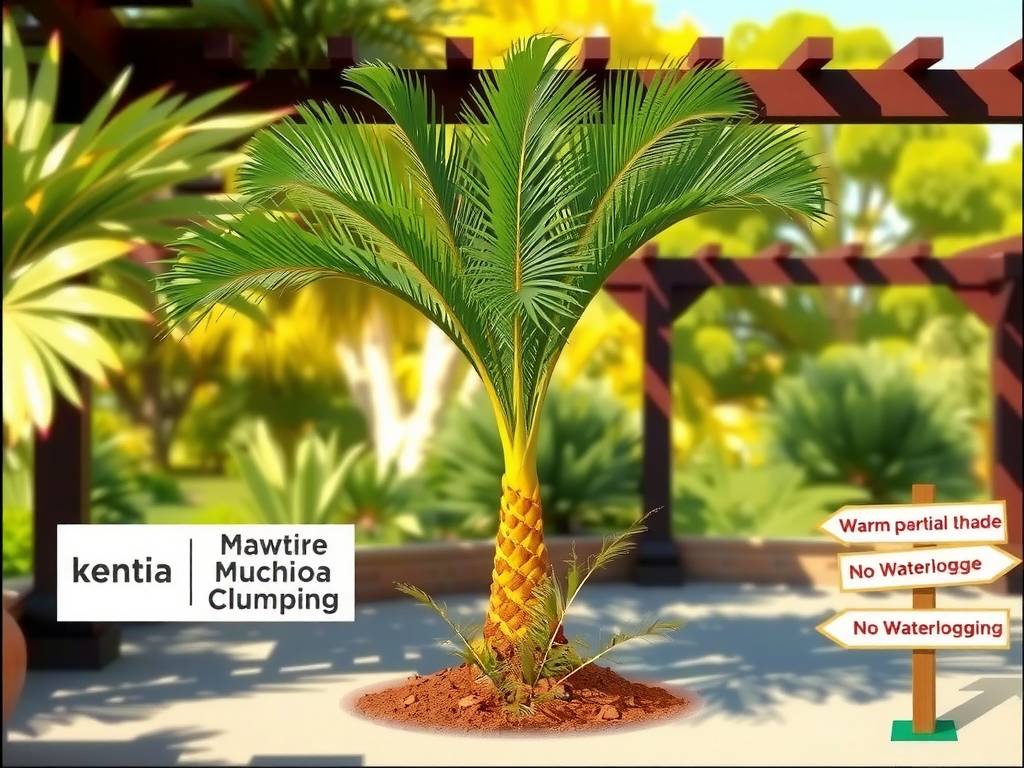
- Fertilizing: Feed your clumping Kentia Palm with a balanced, water-soluble fertilizer (such as a 10-10-10 or palm-specific formula) diluted to half strength. Apply every 4-6 weeks during the active growing season (spring and summer). Do not fertilize in fall and winter.
- Cleaning: Gently wipe the upright leaves with a damp cloth every month or so. This removes dust, allows the palm to breathe and absorb more light, and helps you spot pests early.
- Pruning: Only prune completely brown or yellow fronds. Cut the stem near the main trunk. Avoid cutting green or partially green fronds, as the plant reabsorbs nutrients from them.
Troubleshooting Common Clumping Kentia Palm Issues
- Brown Leaf Tips: This is most commonly due to low humidity, underwatering, or fluoride/chlorine in tap water. Use filtered or distilled water, increase humidity via a pebble tray or humidifier, and ensure consistent watering.
- Yellowing Lower Leaves: It's normal for the oldest fronds to yellow and die off occasionally. If multiple fronds yellow quickly, it's often a sign of overwatering or poor drainage. Check your soil moisture and drainage immediately.
- Pests: Keep an eye out for spider mites (especially in dry air) and mealybugs. Wiping leaves regularly is the best prevention. Treat infestations promptly with insecticidal soap or neem oil.
Expert Insight for Long-Term Success
As noted by horticulturist and author Jane Perrone in her studies of houseplant care, "Palms like the Kentia are marathon runners, not sprinters. Their care is about consistency and avoiding extremes. A stable environment mimicking their native understory will always outperform intensive but sporadic care."
Frequently Asked Questions
How often should I repot my clumping Kentia Palm? These palms prefer to be slightly root-bound and have delicate root systems. Repot only every 2-3 years, or when you see roots visibly circling the pot's bottom. When repotting, only move up one pot size (1-2 inches larger in diameter) to prevent excess soil from holding too much water.
Can I put my clumping Kentia Palm outside in the summer? Yes, but the transition must be gradual. Acclimate it to a sheltered, fully shaded patio or spot under a dense tree over 7-10 days. Never place it in direct outdoor sun, which will scorch it. Remember to bring it back inside well before nighttime temperatures drop in early fall.
Why are the new fronds on my palm not opening properly or looking stunted? This can be caused by a few factors: inconsistent watering (allowing the soil to get too dry between waterings), a lack of essential nutrients (requiring a balanced feed), or an infestation of pests like spider mites that attack new growth. Check for pests first, then review your watering and feeding schedule.
By providing warm partial shade, keeping the soil moist while ensuring no waterlogging occurs, and respecting its natural growth habits, your clumping Kentia Palm will reward you with years of graceful, upright leaves and lush, tropical beauty. It's a plant that asks for little but gives so much in return—a serene, structural presence that purifies the air and enhances any space with its timeless elegance. Start with the light, master the water, and enjoy the growth.