bluename
 How to Care for Your Lady Palm (Clumping): A Complete Guide to Thriving Palmate Leaves
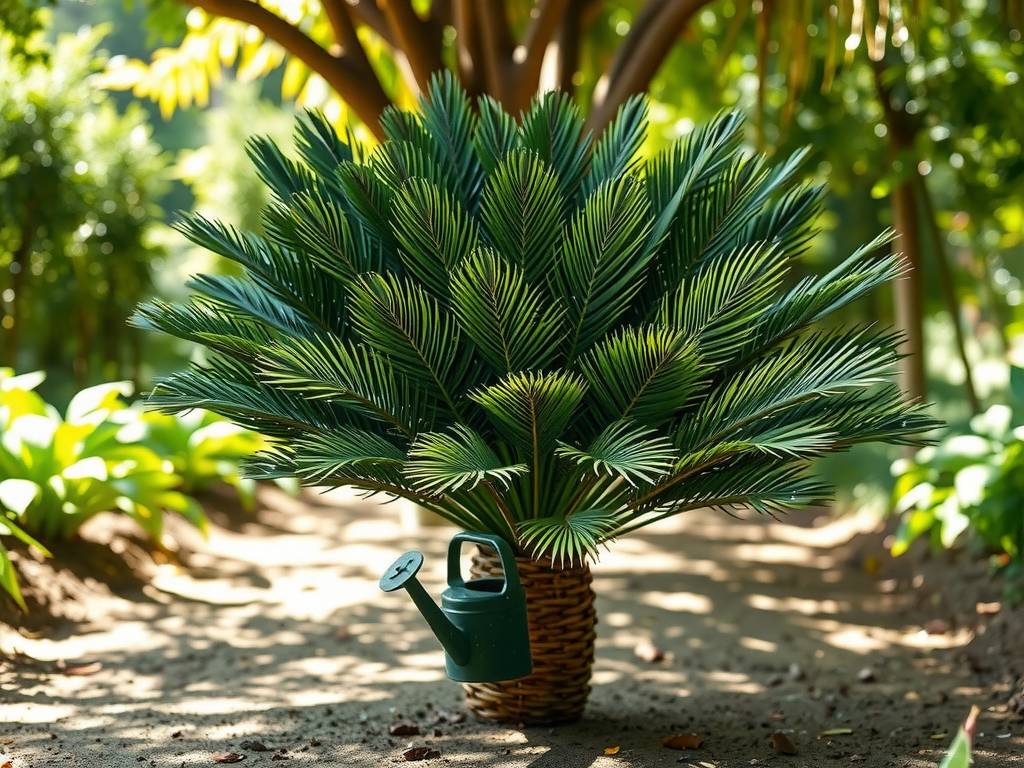
You've brought home a beautiful Lady Palm, drawn to its elegant, clumping form and lush, palmate leaves. It promised to be the perfect low-maintenance, air-purifying addition to your space. But now, you might be noticing the tips turning brown, or the vibrant green fading, and you're left wondering: what does this plant really need to thrive? The good news is that the Clumping Lady Palm (Rhapis excelsa) is famously resilient. With a few key insights into its preferences for warm partial shade and its drought-tolerant nature, you can easily turn those worries into a flourishing, green showcase.
This comprehensive guide draws on horticultural best practices to walk you through every aspect of Lady Palm (Clumping) care, ensuring your plant not only survives but prospers for years to come.
Understanding Your Clumping Lady Palm: Origins and Traits
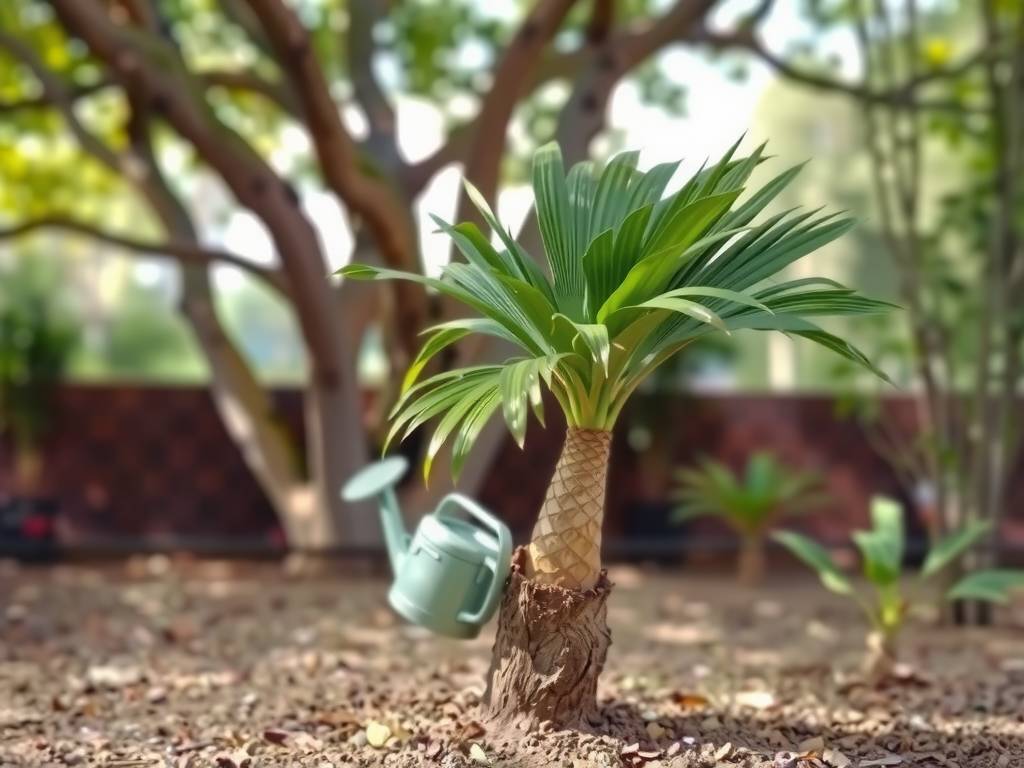
Native to the forest floors of Southeast Asia, the Lady Palm evolved under the canopy of larger trees. This origin story is the key to its care. It is accustomed to dappled sunlight, consistent warmth, and protection from harsh elements. The "clumping" growth habit refers to how it produces multiple stems from the base, creating a dense, bushy appearance rather than growing as a single trunk. Its signature palmate leaves are fan-shaped, with multiple segments radiating from a central point, adding a texture of refined elegance to any room.
Perfecting the Light: The Warm Partial Sweet Spot
Light is the most critical factor. While tolerant of lower light, your Lady Palm will show its best growth and color in warm partial shade. This means bright, indirect light is ideal.
- Ideal Placement: A spot near an east or north-facing window is perfect. A few feet back from a south or west-facing window, filtered by a sheer curtain, also works well.
- Signs of Too Much Light: If the leaves begin to look washed out, develop yellow patches, or have crispy, brown tips, it's likely getting too much direct sun. The drought-tolerant nature of this plant doesn't mean it enjoys sunbaking.
- Signs of Too Little Light: Growth will become extremely slow, and the new fronds may emerge weak and stretched. The deep green color may fade.
The Art of Watering a Drought-Tolerant Plant
Here's where many go wrong. Being drought-tolerant means the Lady Palm is susceptible to overwatering, not underwatering. Its root system appreciates a cycle of moisture and air.
- The Finger Test: This is your most reliable tool. Insert your finger about 2 inches into the soil. Water thoroughly only when the top couple of inches feel dry.
- Thorough Watering: When you do water, do so deeply until water runs freely from the drainage holes. This ensures the entire root ball is hydrated.
- Drainage is Non-Negotiable: Never let your palm sit in a saucer of water. Empty it after 30 minutes. A pot with excellent drainage is essential to prevent root rot, the primary killer of this otherwise tough plant.
Soil and Potting: Building the Right Foundation
A well-draining potting mix is non-negotiable. A standard potting soil amended with 30% perlite or orchid bark works excellently. This creates an airy structure that mimics the plant's natural, humus-rich forest floor while preventing waterlogging. Repot your clumping palm only every 2-3 years, as it prefers to be slightly root-bound. When you do, choose a pot only 1-2 inches larger in diameter.
Temperature, Humidity, and Feeding
- Temperature: Keep your Lady Palm in a warm environment, between 65°F and 80°F (18°C - 27°C). Protect it from cold drafts and temperatures below 55°F (13°C).
- Humidity: While adaptable to average home humidity, it thrives with more. Brown leaf tips are often a cry for humidity. Group plants together, use a pebble tray, or employ a humidifier, especially in winter.
- Feeding: Feed with a balanced, water-soluble fertilizer (like a 10-10-10) diluted to half-strength. Do this once a month during the active growing season (spring and summer). Withhold fertilizer in fall and winter.
Pruning and Maintenance for Lush Clumping Palmate Leaves
Pruning is simple and helps maintain the attractive, clumping form.
- Use clean, sharp scissors to remove entire stems of leaves that have turned mostly brown or yellow at the base.
- For cosmetic touch-ups, you can snip off brown tips, following the natural shape of the leaf. Avoid cutting into the green tissue, as this can lead to further browning.
- Regularly wipe the palmate leaves with a damp cloth to remove dust, allowing the plant to breathe and photosynthesize efficiently.
Troubleshooting Common Issues
- Brown Leaf Tips: Usually a sign of low humidity, fluoride in tap water, or sporadic watering. Use distilled or rainwater if possible, and increase humidity.
- Yellowing Lower Leaves: It's normal for the oldest leaves to yellow and die off occasionally as part of the plant's renewal process. If widespread, check for overwatering.
- Pests: Lady Palms can occasionally attract spider mites or scale. Wipe leaves regularly and treat infestations early with insecticidal soap or neem oil.
How often should I water my Lady Palm? There's no fixed schedule. Always check the soil moisture first. In a typical indoor setting with warm partial shade, this might mean watering every 1-2 weeks in summer and less frequently in winter. The drought-tolerant quality means it's always safer to err on the side of underwatering.
Can my Lady Palm go outside in the summer? Yes, it can enjoy a summer vacation outdoors! Place it in a sheltered location with dappled shade—never in direct, hot sun. Remember to bring it back inside well before nighttime temperatures drop in the fall.
Why is my clumping palm not producing new shoots? Slow growth can be due to low light, low temperatures, or a need for nutrients. Ensure it's in bright, indirect light, is kept warm, and is fed lightly during the growing season. Patience is also key; this is a gracefully slow grower.
Caring for a Clumping Lady Palm is a lesson in mindful, not meticulous, gardening. By respecting its needs for gentle light, cautious watering, and a stable environment, you are rewarded with a statuesque plant of timeless beauty. Its arching fans of palmate leaves and dense, clumping form bring a sense of calm, structured greenery to your home, proving that with a little understanding, the most elegant results are often the simplest to achieve.