 bluename
 How to Care for a Money Tree (Single Stem): Your Complete Guide to a Thriving Plant
You've brought home a beautiful Money Tree with a single, thick stem and lush green leaves, drawn by its promise of prosperity and elegant simplicity. But now, you might be wondering: how do I keep it alive and thriving? Why are its leaves turning yellow? Is it getting too much or too little water? Caring for a single-stem Money Tree, known for its resilience and striking appearance, requires understanding its specific needs for warm light and drought-tolerant care. This comprehensive guide will walk you through every step, transforming you from a worried plant owner into a confident Money Tree expert.
Understanding Your Single-Stem Money Tree
The Money Tree, scientifically known as Pachira aquatica, is more than just a charming houseplant. In its natural habitat, it can grow into a towering tree. The single-stem variety you have is cultivated to showcase one robust, often braided or straight, trunk topped with a canopy of glossy, palmate leaves. This form highlights its architectural beauty. Its reputation for being low-maintenance stems from its inherent drought-tolerant nature, a trait developed from its origins in Central and South American wetlands where it experiences periods of saturation and dryness. This means it's far more forgiving of occasional neglect than constant overwatering.
The Perfect Environment: Warmth and Light
Creating the right environment is the first step to success. Your Money Tree's green leaves are direct indicators of its happiness with its light situation.
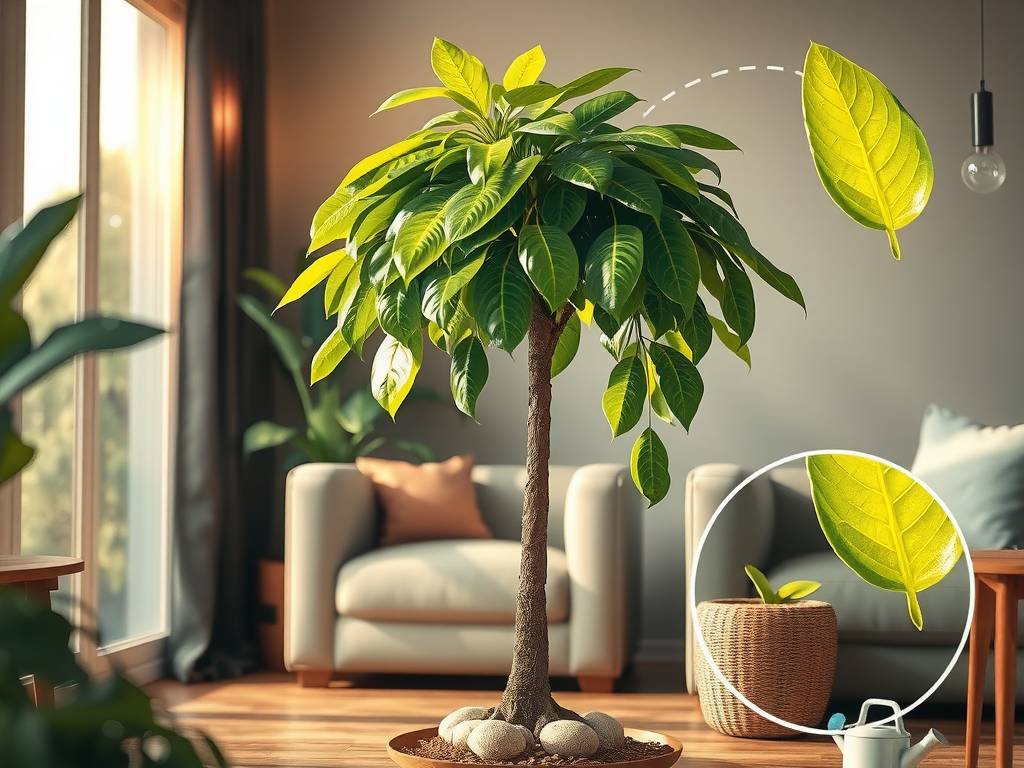
Ideal Lighting Conditions Your single-stem Money Tree thrives in bright, indirect light. Think of the dappled sunlight under a forest canopy. A spot near an east-facing window is perfect, or a few feet back from a south or west-facing window where the harsh afternoon sun won't scorch its leaves. Direct sunlight can cause leaf scorch, manifesting as brown, crispy patches. While it can adapt to medium light, its growth will slow. The "warm light" it enjoys refers more to the quality and intensity rather than heat. Consistent, gentle light encourages the tight, compact growth of leaves on that singular thick stem.
Optimal Temperature and Humidity As a tropical plant, it prefers warmth. Maintain room temperatures between 65°F and 80°F (18°C - 27°C). Avoid cold drafts from windows, doors, or air conditioning vents, as temperatures below 50°F (10°C) can cause damage. Average household humidity is usually acceptable, but if your air is very dry, consider using a pebble tray filled with water placed beneath the pot or a occasional light misting to boost humidity, which helps keep those green leaves vibrant and prevents brown tips.
Watering Your Drought-Tolerant Friend
This is where most Money Tree care goes awry. Embracing its drought-tolerant characteristic is key.
The Golden Rule: Soak and Dry The most effective method is the "soak and dry" technique. Never water on a fixed schedule. Instead, check the soil first. Insert your finger about 2-3 inches into the potting mix. If the soil feels dry at that depth, it's time to water. When you do, water thoroughly until you see excess water freely draining out of the bottom of the pot. This ensures the entire root ball is moistened. Then, let the plant be. Empty the saucer underneath to prevent the roots from sitting in water, which can lead to root rot—the number one killer of Money Trees.
Signs of Watering Issues Yellowing leaves often signal overwatering. If the single thick stem feels soft or mushy at the base, this is an advanced sign of rot. Conversely, if the leaves become dry, crispy, or start to droop significantly, the plant is too dry. The drought-tolerant nature means it will recover from underwatering much better than from overwatering. In winter, reduce watering frequency as plant growth slows and evaporation decreases.
Soil and Potting for a Strong Foundation
The right soil supports the health of that impressive single thick stem.
Choosing the Right Potting Mix A well-draining, peat-based potting mix is essential. You can enhance a standard mix by adding perlite or orchid bark to increase aeration and drainage. This mix replicates the quick-draining conditions the plant prefers, preventing water from lingering around the roots.
When and How to Repot Your Money Tree will only need repotting every 2-3 years, or when you see roots circling the bottom of the pot. Choose a new pot only 1-2 inches larger in diameter. A pot that is too big holds excess soil that stays wet for too long. Gently loosen the root ball and place it in the new pot with fresh potting mix. This is also a good time to check the health of the roots—they should be firm and white or light tan.
Feeding and Maintenance for Lush Green Leaves
Fertilizing for Growth During the active growing season (spring and summer), feed your Money Tree once a month with a balanced, water-soluble fertilizer diluted to half the recommended strength. There is no need to fertilize in fall and winter when growth is dormant. Over-fertilizing can burn the roots and cause leaf tip burn, detracting from the beauty of the green leaves.
Pruning and Cleaning Pruning helps maintain a pleasing shape and encourages bushier growth at the top of your single-stem plant. Use clean, sharp scissors to trim any leggy or unwanted growth. You can also remove any yellow or damaged leaves at their base. Regularly wipe the leaves with a damp cloth to remove dust, which allows the plant to photosynthesize more efficiently and keeps it looking its best.
Troubleshooting Common Problems
- Yellow Leaves: Most commonly caused by overwatering. Check your watering habits and ensure the pot drains well.
- Brown Leaf Tips: Usually a sign of low humidity or a buildup of salts and minerals from tap water or fertilizer. Use filtered or distilled water and ensure adequate humidity.
- Leaf Drop: Can be a reaction to a sudden change in environment, such as a move, draft, or significant temperature shift. It can also indicate overwatering.
- Pests: Keep an eye out for common pests like spider mites or mealybugs. Wipe leaves regularly and treat any infestations early with insecticidal soap or neem oil.
Frequently Asked Questions
Can I put my single-stem Money Tree in direct sunlight? It's not recommended. While it appreciates warm light, direct afternoon sun can scorch its leaves, causing irreversible brown spots. Bright, indirect light is the sweet spot for maintaining deep green leaves and steady growth.
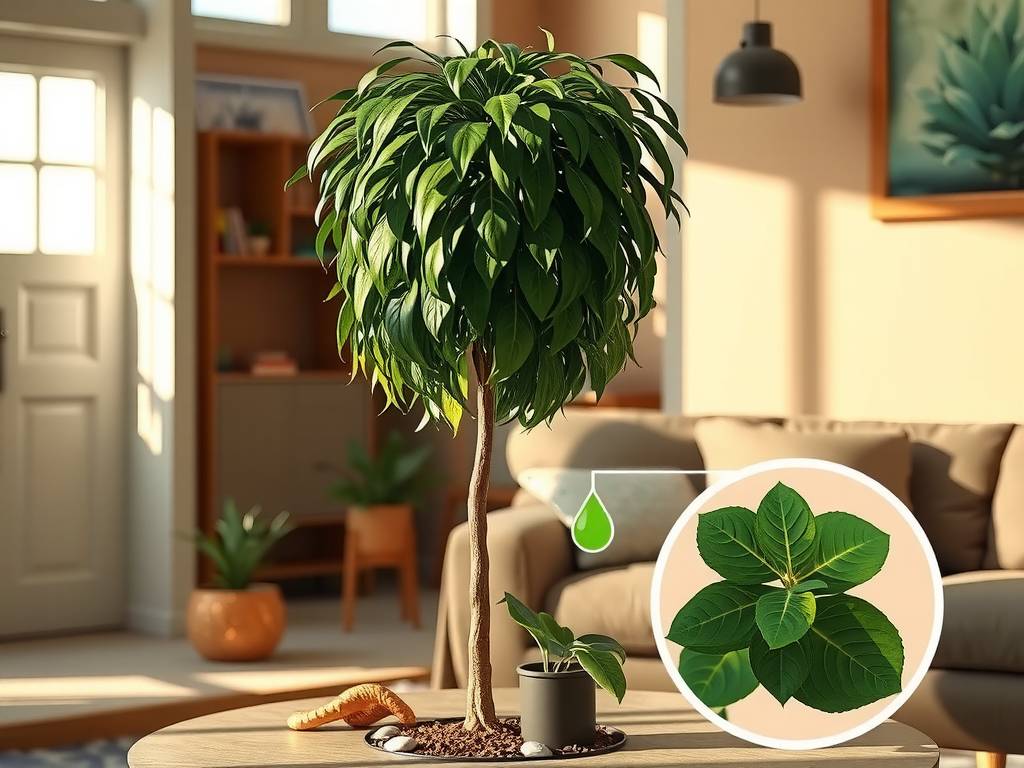
How often should I really water my Money Tree? There's no universal weekly answer. The frequency depends on light, temperature, and pot size. Always use the "finger test" – water only when the top few inches of soil are dry. This practice honors its drought-tolerant nature and prevents root rot.
My Money Tree's single stem is leaning. What should I do? A leaning thick stem often means the plant is reaching for more light. Rotate the pot a quarter turn every time you water to encourage even growth. If the lean is severe, you can stake it gently for support. Also, ensure it's not placed in a dark corner where it must stretch toward a light source.
Caring for a single-stem Money Tree is a rewarding practice that blends attentive observation with a hands-off approach where it counts most—watering. By providing consistent warm, indirect light, respecting its drought-tolerant needs with a careful soak-and-dry watering routine, and offering occasional feeding and grooming, you will be rewarded with a robust, upright plant crowned with a vibrant canopy of green leaves. This resilient plant isn't just a symbol of good fortune; with your care, it becomes a long-lasting testament to your growing skill as a plant enthusiast.





