bluename
 The Ultimate Guide to ZZ Plant Care: Mastering the Art of Growing Clumping, Coin-Leafed Beauties
You've brought home a stunning ZZ plant, captivated by its architectural form and those glossy, clumping coin-like leaves. But now, questions arise. Why are the leaves turning yellow? Is it getting enough light, or too much? How do you actually care for a plant that's famous for being tough? The frustration of watching a supposedly "unkillable" plant struggle is real. The good news is that with a few key insights into its true nature, your ZZ plant (Zamioculcas zamiifolia) will not just survive but thrive, expanding into a lush, clumping specimen that becomes the centerpiece of your space.
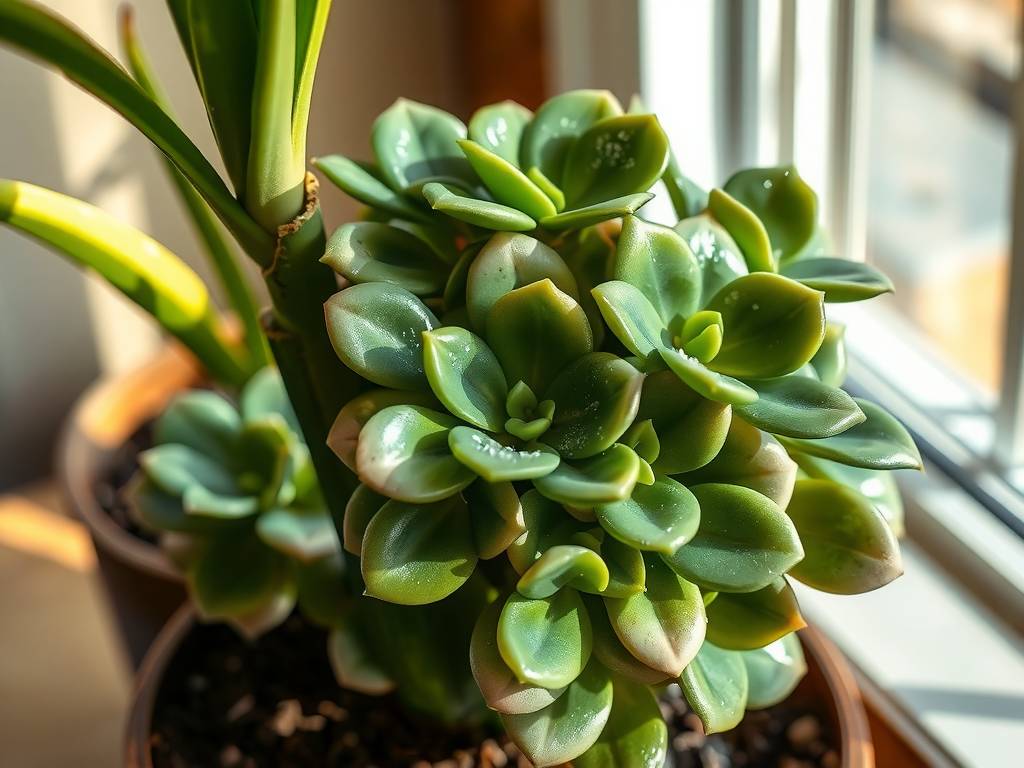
This comprehensive guide cuts through the confusion. We'll move beyond basic advice to provide a deep, practical understanding of how to care for your ZZ plant, leveraging its love for warm partial shade and drought-tolerant physiology to promote healthy, dense clumping growth.
Understanding Your ZZ Plant's Natural Habitat
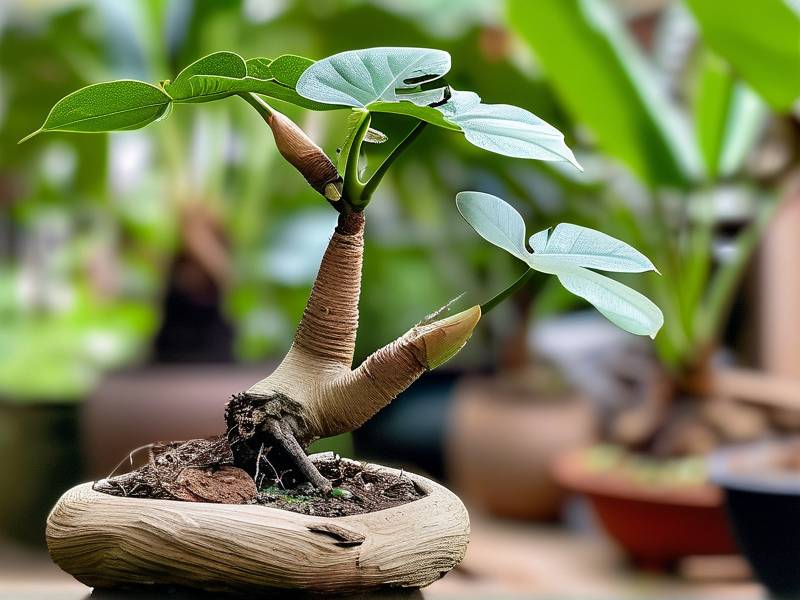
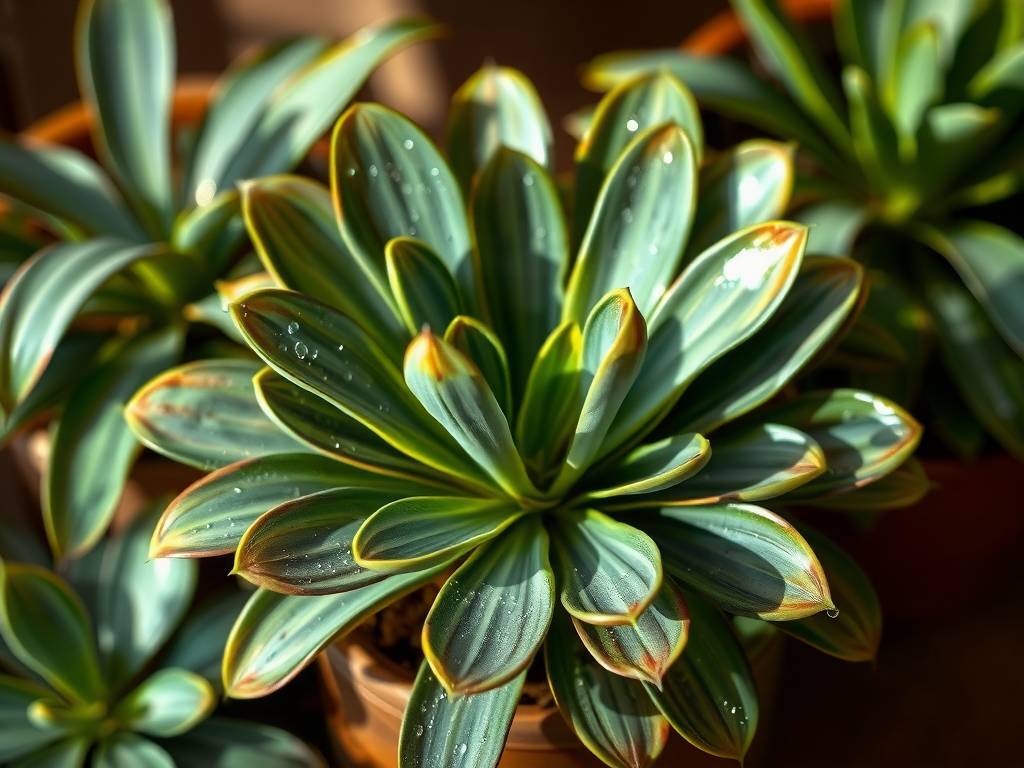
To care for it effectively, think like a ZZ plant. Native to drought-prone regions of Eastern Africa, it has evolved remarkable survival strategies. Its thick rhizomes (potato-like structures underground) store water, making it exceptionally drought-tolerant. Those waxy, coin-like leaves minimize water loss. In its native environment, it often grows under the canopy of other plants, enjoying warm, dappled light—what we call partial shade.
This background is crucial. Most problems stem from treating it like a tropical thirsty plant, rather than the resilient, slow-growing succulent it is. As noted in a study on drought-tolerant ornamentals, plants like the ZZ have evolved "water-saving traits" that directly conflict with frequent watering schedules.
Perfect Placement: The Warm Partial Shade Sweet Spot
Light is the most critical factor for a healthy, clumping ZZ plant. The goal is to replicate that bright, filtered forest floor light.
- Ideal Conditions: A spot near an east or north-facing window is perfect. A few feet back from a south or west-facing window, shielded by a sheer curtain, also provides excellent warm partial shade. The keyword is indirect. The warm part of "warm partial shade" means avoiding cold drafts; they enjoy stable, room temperatures between 65°F and 85°F (18°C - 29°C).
- Signs of Too Much Light: If the leaves become scorched, develop brown, crispy patches, or fade to a pale green or yellowish color, the light is too direct and intense.
- Signs of Too Little Light: While tolerant, deep shade will cause several issues. Growth will become extremely slow or stop entirely. The stems may become excessively long, leggy, and lean dramatically toward the light source. Most critically for a clumping plant, it will not produce new shoots, preventing that desirable dense, full appearance.
The Art of Watering a Drought-Tolerant Plant
This is where most ZZ plants meet their downfall. Overwatering leads to root and rhizome rot, which is often fatal. Your mantra should be: "When in doubt, wait it out."
- The Golden Rule: Water deeply only when the soil is completely dry. For a standard indoor pot, this often means watering every 2-3 weeks, but this can stretch to a month or more in winter or lower light. Always check first.
- How to Check: Stick your finger about 2 inches into the soil. If it feels dry, it's time to water. You can also use a moisture meter for precision.
- Watering Technique: Water slowly and evenly around the soil surface until you see water flow freely from the drainage holes. This ensures the entire root ball is moistened. Crucially, empty the saucer or cache pot after 15 minutes. Never let the plant sit in standing water.
- The Clumping Connection: Proper, infrequent watering encourages the rhizomes to stay healthy and firm. A healthy rhizome system is the engine room for new growth, sending up fresh stems that contribute to the plant's clumping habit.
Soil and Potting: Foundation for Healthy Clumping
The right soil mix supports the watering routine. ZZ plants need fast-draining soil that doesn't hold excess moisture.
- Ideal Soil Mix: A well-draining succulent or cactus potting mix is ideal. For extra insurance, you can create your own blend by mixing two parts standard potting soil with one part perlite or coarse sand.
- Pot Selection: Always choose a pot with drainage holes. Terracotta pots are excellent as they are porous and help wick away extra moisture from the soil. When repotting to encourage a clumping ZZ plant, only go up one pot size (1-2 inches larger in diameter) every 2-3 years. A pot that's too large holds excess soil that stays wet for too long, risking rot.
Feeding and Maintenance for Lush Growth
ZZ plants are light feeders. Their slow growth means they don't require much fertilizer.
- Fertilizing Schedule: During the active growing season (spring and summer), feed once a month with a balanced, water-soluble houseplant fertilizer diluted to half the recommended strength. Do not fertilize in fall and winter when growth has stalled.
- Cleaning the Leaves: Those shiny coin-like leaves are dust magnets. Gently wipe them with a damp cloth every few weeks. This allows the plant to photosynthesize efficiently, supporting stronger growth. It also gives you a chance to inspect for pests, though ZZ plants are notably resistant.
How to Propagate and Enhance the Clumping Form
One of the joys of the ZZ plant is watching it form new shoots from the soil, creating a fuller clump. You can also propagate to create new plants.
- Natural Clumping: Given proper care—especially correct light and watering—your ZZ will naturally produce new stems from its rhizomes. Patience is key, as this is a slow process.
- Division (The Best Method for Clumps): When you repot, you can divide the plant. Gently separate the root mass into smaller sections, ensuring each division has at least one healthy rhizome and a few stems. Pot each division separately. This immediately gives you a fuller-looking plant and a new one to share.
- Leaf Cuttings: You can also propagate from individual leaves, though this method is very slow. Simply insert a healthy leaf stem-side down into moist potting mix. It can take months for a new rhizome and shoot to form.
Troubleshooting Common ZZ Plant Problems
- Yellow Leaves: This is almost always a sign of overwatering. Check the soil and rhizomes immediately. If the rhizomes are mushy, you may need to cut away the rot and repot in dry soil.
- Brown Leaf Tips: Usually caused by low humidity or, less commonly, fluoride in tap water. You can trim the brown tips with clean scissors. Using filtered or distilled water can help.
- Leggy, Stretched Stems: The plant is not getting enough light. Move it gradually to a brighter location with warm partial shade.
- No New Growth: This can be due to low light, a dormant period (winter), or the plant being root-bound. Assess light first, then check if roots are circling the pot.
Frequently Asked Questions
Can my ZZ plant tolerate a dark corner with no windows? While famously tolerant, a windowless room is too extreme. It may survive for a period but will not grow or clump. For any long-term health and to see new shoots, it requires some source of indirect natural light or a strong grow light for several hours a day.
How do I know when it's time to repot my clumping ZZ? Look for signs like roots growing out of the drainage holes, the soil drying out extraordinarily fast, or the pot becoming top-heavy and prone to tipping. Typically, repotting every 2-3 years in spring is sufficient.
Is the ZZ plant toxic to pets? Yes. All parts of the ZZ plant contain calcium oxalate crystals, which can cause irritation of the mouth, drooling, or vomiting if ingested by cats or dogs. It's best to place it in a location out of reach of curious pets.
Caring for a ZZ plant successfully hinges on respecting its origins as a drought-tolerant survivor of partial shade. By mastering the balance of neglectful watering and providing bright, indirect light, you create the perfect environment for it to flourish. The reward is a stunning, architectural plant with deep green, clumping coin-like leaves that requires minimal effort but offers maximum impact. Embrace its slow and steady nature, and you'll have a resilient companion for years to come.