bluename
 How to Care for a Happy Tree (Clumping): Your Guide to Lush, Green Foliage
You’ve brought home a beautiful clumping Happy Tree, drawn to its vibrant, dense clusters of green leaves that promise a touch of serene, tropical elegance. But now, you might be wondering: how do I keep it thriving and prevent those lush leaves from turning yellow or drooping? The secret lies in mastering a few key principles. Contrary to what its cheerful name might imply, the Happy Tree (Radermachera sinica, often sold as "China Doll") has specific needs. Getting its care right—particularly regarding warm light, consistent moisture, and absolutely no waterlogging—is the difference between a struggling plant and a spectacular, bushy centerpiece. This guide will walk you through every step to ensure your clumping green beauty not only survives but flourishes.
Understanding Your Clumping Happy Tree
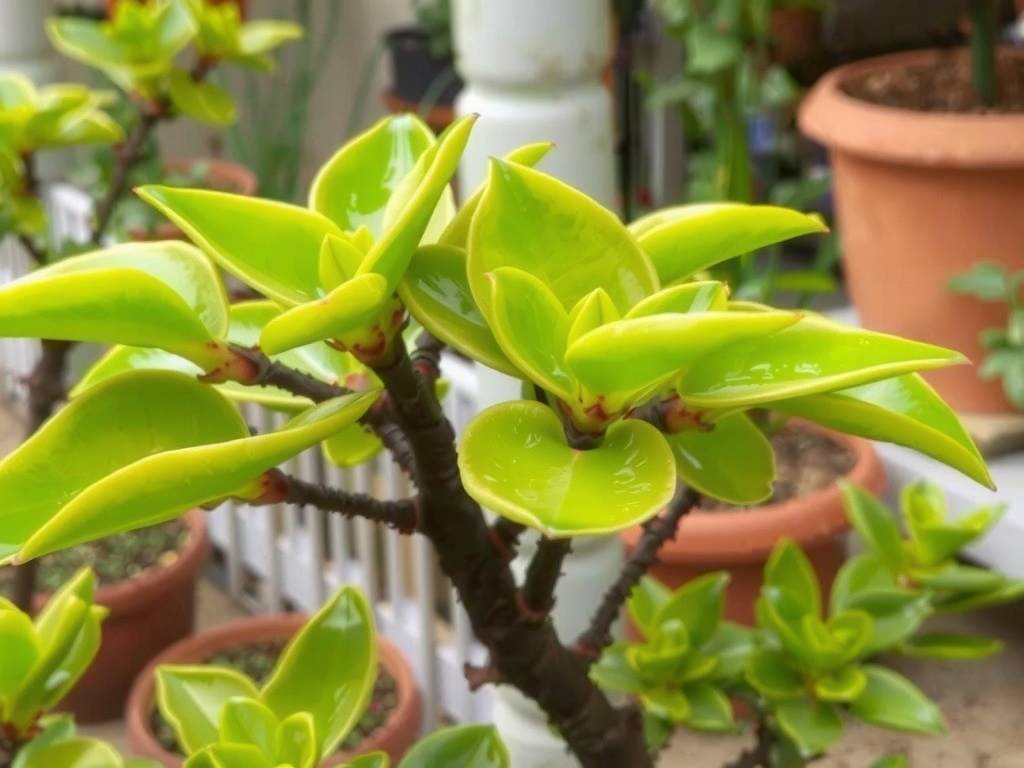
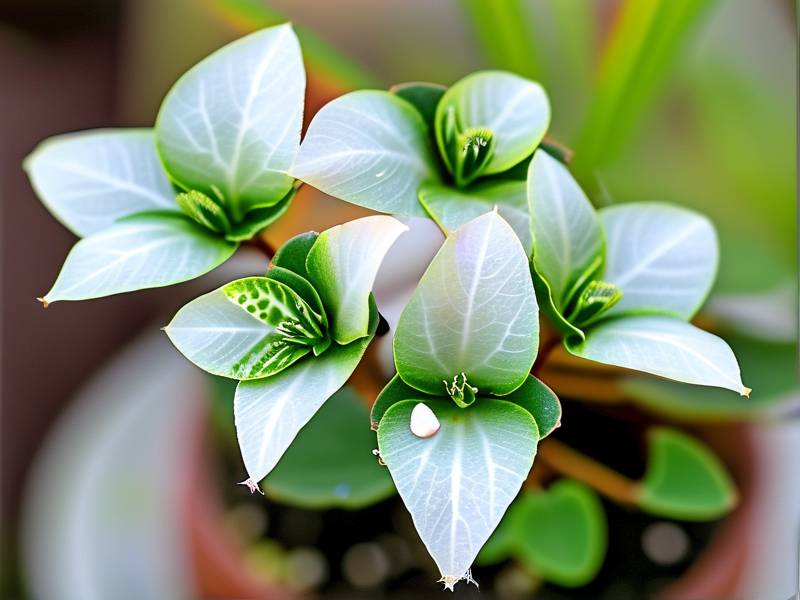
Often admired for its glossy, bipinnate leaves that grow in dense, clumping green leaves formations, this plant is native to the subtropical forests of Asia. Its growth habit is naturally bushy, but achieving that perfect, lush look at home requires replicating its preferred conditions. The core pillars of its care are stable warmth, bright but indirect light, and a carefully balanced watering routine. Neglecting any of these can lead to leaf drop, the most common complaint among owners.
The Golden Rule: Providing the Perfect Warm Light
Light is the engine of your Happy Tree’s growth and the key to maintaining its deep green color. The goal is to mimic the dappled sunlight of its native habitat.
- Ideal Placement: Position your plant in a spot with plenty of bright, indirect light. An east-facing window is often perfect, as it provides gentle morning sun. A few feet back from a south or west-facing window, shielded by a sheer curtain, also works well.
- What to Avoid: Direct, harsh afternoon sun can scorch the delicate leaves, causing unsightly brown patches. Conversely, deep shade will lead to leggy growth, sparse foliage, and a loss of that desirable clumping appearance. The plant will stretch toward the light, resulting in large gaps between leaf clusters.
- Seasonal Adjustments: During the shorter, darker winter days, don’t hesitate to move your Happy Tree closer to a window to capture all available light. Rotate the pot a quarter turn every week to ensure even growth on all sides, promoting a symmetrical, full shape.
Mastering Moisture: How to Water Without Waterlogging
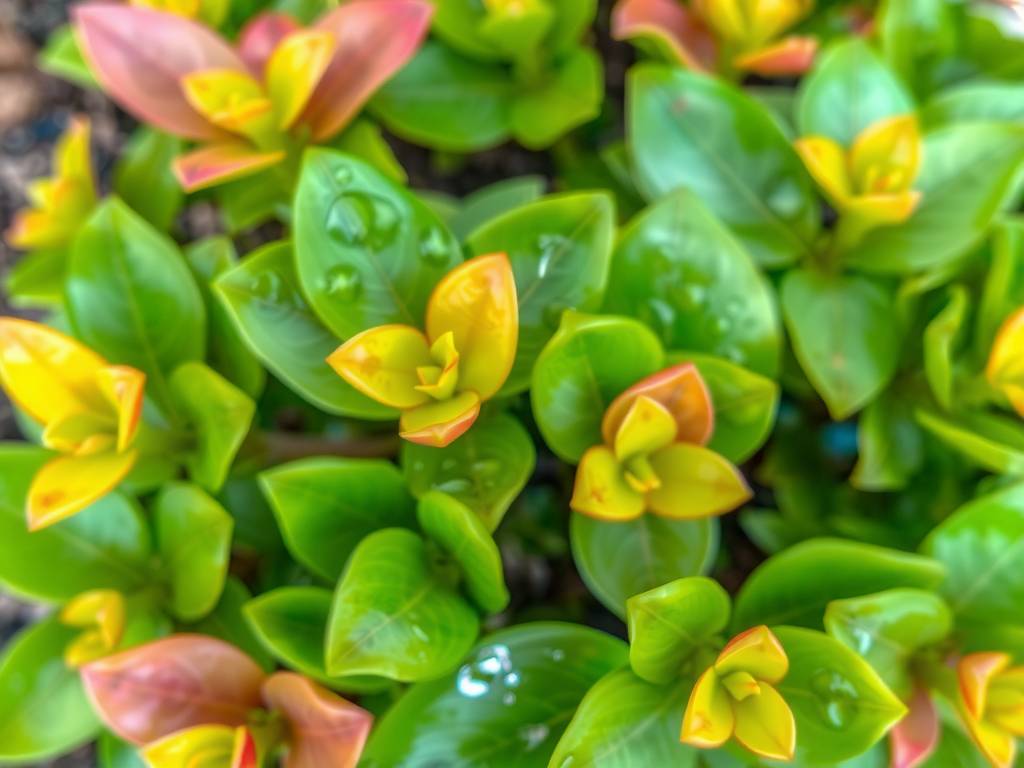
This is arguably the most critical aspect of Happy Tree care. Their roots are fine and sensitive, making them highly susceptible to root rot. The mantra is moist, but never soggy.
- The Finger Test Method: Before you water, always check the soil. Insert your finger about an inch into the potting mix. If it feels dry, it’s time to water. If it still feels moist, wait another day or two. This simple method is more reliable than a fixed schedule.
- Thorough Watering Technique: When you water, do so deeply and evenly until you see water flowing freely from the drainage holes at the bottom of the pot. This ensures the entire root ball gets hydrated. However, and this is crucial: never let the plant sit in standing water. Empty the saucer or cache pot within 15-20 minutes after watering. Waterlogging is a fast track to losing your plant.
- Signs of Trouble: Yellowing leaves that fall off are a classic sign of overwatering and poor root health. Wilted, dry, or crispy leaves, on the other hand, usually indicate underwatering. The goal is consistently moist soil in the top layer, with slight drying in between waterings.
Creating the Ideal Environment for Growth
Beyond light and water, a few other factors contribute significantly to your plant’s happiness.
- Temperature & Humidity: As a tropical plant, it thrives in warm conditions between 65°F and 80°F (18°C - 27°C). Protect it from cold drafts, air conditioning vents, and sudden temperature drops. Moderate to high humidity (above 40%) helps keep the green leaves supple and prevents brown tips. Grouping plants together, using a pebble tray, or running a humidifier nearby can boost moisture in the air.
- Soil and Potting: Use a well-draining, peat-based potting mix. Many experts recommend amending a standard potting soil with perlite or orchid bark to increase aeration and drainage, creating an environment where roots can breathe and the risk of waterlogging is minimized. Ensure your pot has ample drainage holes.
- Feeding for Lush Foliage: Feed your Happy Tree with a balanced, water-soluble fertilizer (like a 10-10-10 formula) diluted to half-strength. Do this every 4-6 weeks during the active growing season (spring and summer). Avoid fertilizing in fall and winter when growth naturally slows.
Pruning and Maintenance for a Bushy Shape
One of the joys of the Clumping Happy Tree is its full, compact form. Strategic pruning encourages this.
- Pinching for Density: Regularly pinch off the very tips of new growth stems. This encourages the plant to branch out from lower nodes, leading to a denser, more clumping habit rather than a single, tall stem.
- Managing Size: If your tree becomes too tall or leggy, don’t be afraid to make more substantial cuts. Prune back stems just above a leaf node. The plant will typically respond by pushing out new growth from that point, making it bushier.
Why is my Happy Tree dropping leaves suddenly? Sudden leaf drop is almost always related to a change in environment or a watering issue. Drafts (hot or cold), a recent move to a different light location, or, most commonly, overwatering can trigger this. Check your watering habits and ensure the plant is in a stable, draft-free spot with consistent warm light.
Can I propagate my Clumping Happy Tree to make more plants? Absolutely, and it’s a rewarding process. The most effective method is taking stem cuttings during spring or summer. Select a healthy, non-flowering stem tip with 3-4 leaf nodes, remove the lower leaves, and place the cut end in water or moist potting mix. With warmth and bright indirect light, roots should develop in a few weeks, giving you a new plant with the same lovely clumping green leaves.
What should I do if I accidentally overwatered my plant? Act quickly. Remove the plant from its pot and gently inspect the roots. Healthy roots are firm and white or light tan. Soft, mushy, brown roots indicate rot. Trim away all affected roots with sterile scissors. Repot the plant into fresh, dry, well-draining soil and a clean pot. Water very sparingly at first, only once the top few inches of soil are dry, and provide optimal warm light to help it recover.
Caring for a Happy Tree is a practice in balance and observation. By providing a steady stream of warm light, maintaining moist soil while vigilantly avoiding waterlogging, and offering a little extra humidity, you’ll be rewarded with a resilient and stunning plant. Its clumping green leaves will grow denser and more vibrant over time, truly living up to its joyful name. Remember, consistency is key—once you find the right rhythm for your home environment, your Happy Tree will thrive for years to come.