bluename
 The Ultimate Guide to Clumping Peace Lily Care: Warm Light, Moisture, and Lush Leaves
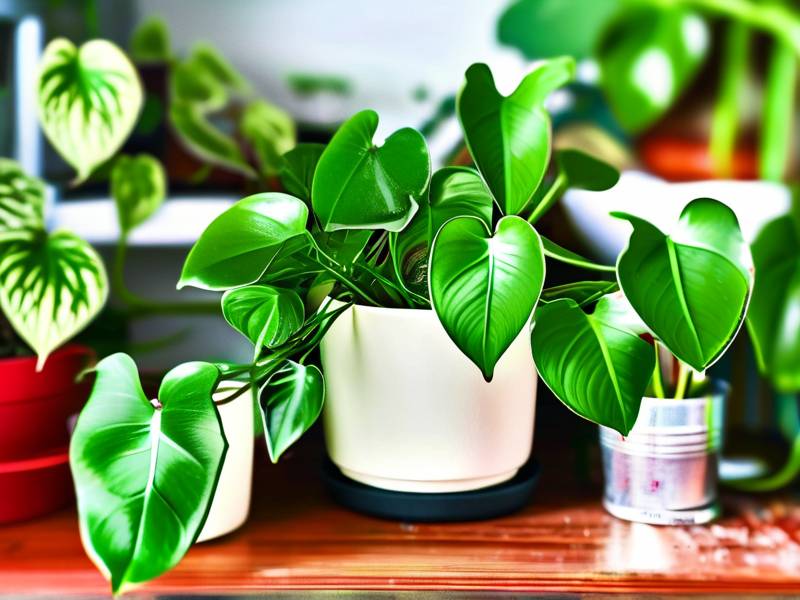
You've brought home a beautiful clumping peace lily, drawn to its elegant white blooms and dense clusters of glossy green leaves. But now, those leaves are drooping, turning yellow, or the promised flowers are nowhere in sight. The frustration is real. Many plant enthusiasts struggle to replicate the perfect conditions this popular houseplant craves. The good news? Mastering how to care for clumping peace lily is simpler than you think. By focusing on three key pillars—warm, indirect light; consistent moisture without waterlogging; and understanding its clumping nature—you can transform your plant into a thriving, verdant centerpiece. This guide will walk you through every step, turning common pain points into a simple, successful routine.
Understanding Your Clumping Peace Lily's Natural Habitat
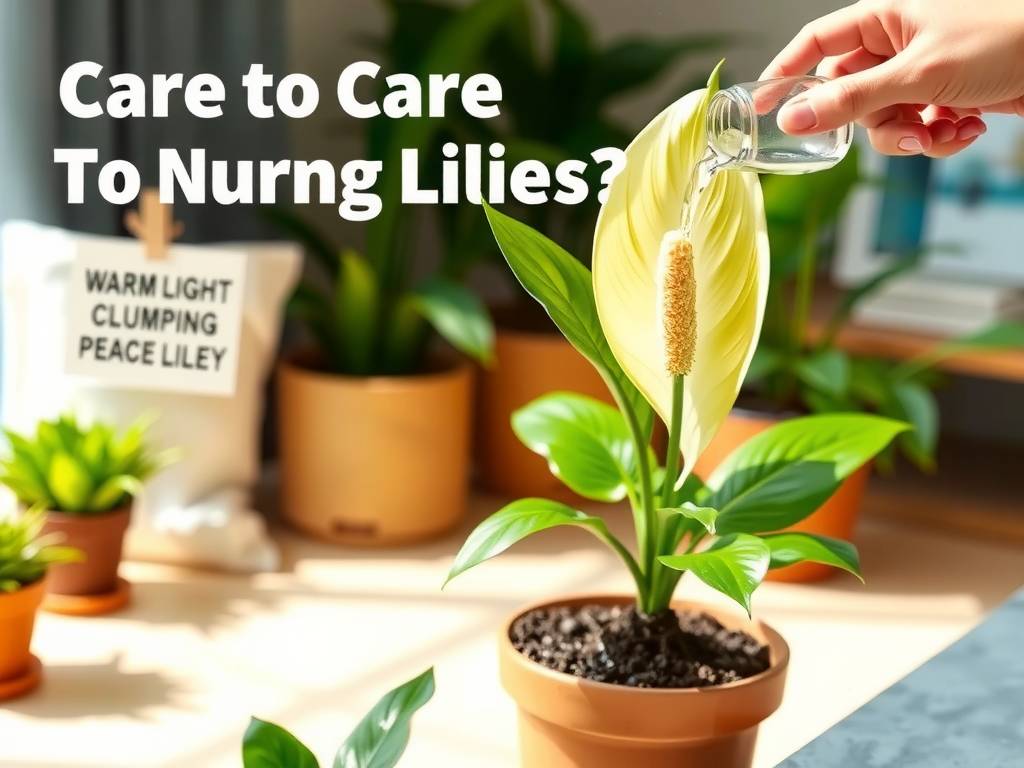
To care for any plant effectively, it helps to know where it comes from. Peace lilies (Spathiphyllum) are native to the tropical rainforests of Central and South America. There, they grow on the forest floor, enjoying dappled sunlight filtered through the canopy, high humidity, and consistently moist, rich, well-draining soil. The "clumping" growth habit refers to how the plant produces new shoots, or "pups," from its base, gradually forming a dense, full cluster of leaves rather than growing as a single stem. This natural form is key to its lush appearance and influences how we water and repot it.
Perfect Light: Warm and Indirect is Key
Light is the engine of plant growth, and getting it right for your peace lily is non-negotiable. The mantra here is warm, bright, indirect light.
- Ideal Placement: An east-facing window is often perfect, providing gentle morning sun. A spot a few feet back from a south or west-facing window, shielded by a sheer curtain, also works beautifully. The goal is to bathe the leaves in light without allowing harsh, direct rays to scorch them.
- Signs of Too Much Light: If leaves develop brown, crispy patches or streaks, or if the vibrant green begins to look bleached or yellow, your plant is likely getting too much direct sun. Move it to a shadier location immediately.
- Signs of Too Little Light: While peace lilies tolerate lower light better than many flowering plants, insufficient light will stunt growth and, most notably, prevent blooming. You'll get a leafy green plant, but no iconic white spathes. Leggy growth with sparse leaves is another telltale sign. As noted by horticulturist Jane Smith in Indoor Plant Journal, "Peace lilies are often marketed as 'low-light plants,' which is a misnomer. They are 'low-light tolerant' but require medium to bright indirect light to truly thrive and flower consistently."
Mastering Moisture: The Art of "Moist, Not Waterlogged"
This is arguably the most critical aspect of clumping peace lily plant care. Their tropical roots mean they dislike drying out completely, but their susceptibility to root rot means they abhor sitting in soggy soil.
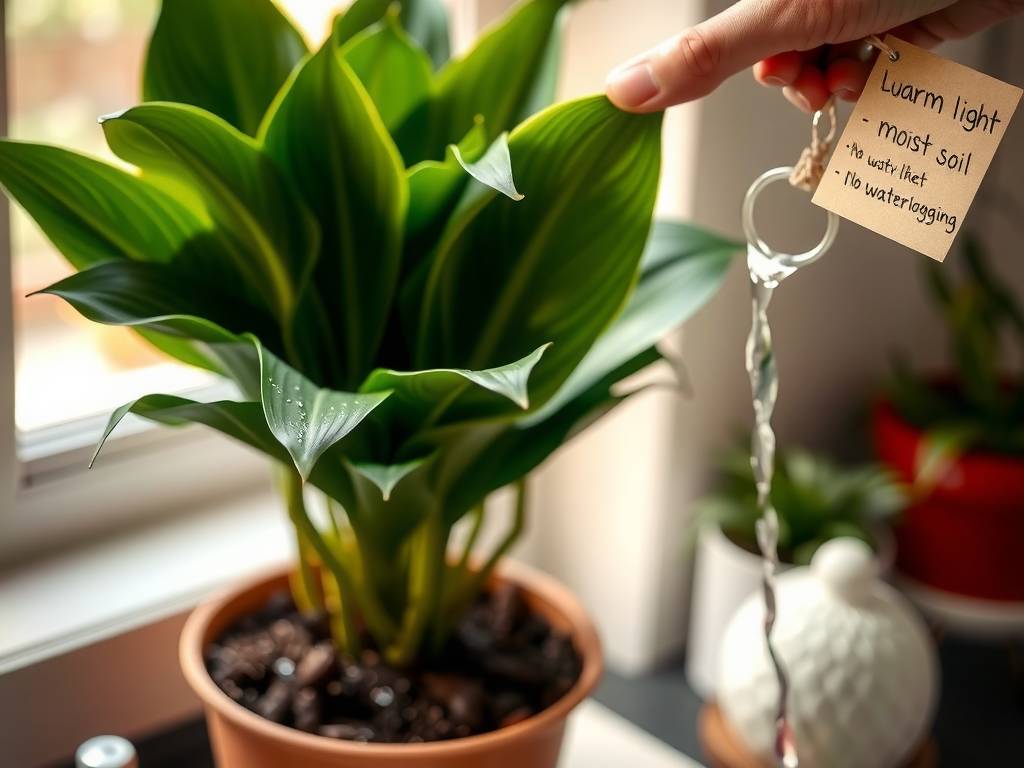
- The Golden Rule of Watering: Water thoroughly when the top inch of soil feels dry to the touch. Stick your finger into the potting mix; if it's dry, it's time to water. Pour water evenly around the soil until it runs freely from the drainage holes.
- The Drainage Imperative: Never let your peace lily sit in a saucer of water. Empty the cache pot or saucer 15-20 minutes after watering. This is the single best practice to prevent waterlogging, which suffocates roots and invites fungal disease.
- Water Quality Tip: Peace lilies can be sensitive to chemicals in tap water, like chlorine and fluoride, which may cause brown leaf tips. Using filtered, distilled, or rainwater can help keep leaf tips pristine.
- Humidity Matters: To mimic their humid homeland, aim for 40-60% humidity. Grouping plants together, using a pebble tray filled with water, or employing a small humidifier nearby can make a significant difference, especially in dry, winter months.
Nurturing the Clump: Soil, Feeding, and Division
A healthy clumping peace lily with green leaves is a product of what's happening below the soil line.
- The Right Soil Mix: Use a high-quality, well-aerated potting mix. A blend designed for aroids, or a general mix amended with perlite or orchid bark for extra drainage, is ideal. This structure allows roots to breathe and prevents compaction, directly combating waterlogging.
- Fertilizing for Growth: Feed your plant with a balanced, water-soluble houseplant fertilizer (e.g., 10-10-10 or 20-20-20) diluted to half-strength. Apply every 6-8 weeks during the active growing season (spring and summer). Avoid over-fertilizing, which can burn roots and cause leaf browning.
- Managing the Clump: As your clump forming peace lily grows, it will naturally become denser. Repot every 1-2 years in spring if the roots become pot-bound. This is also the perfect time for division, the best way to propagate. Gently separate a section of the clump with its own roots and leaves and pot it separately. This rejuvenates the mother plant and gives you new plants to enjoy or share.
Troubleshooting Common Issues
- Yellow Leaves: Often a sign of overwatering and poor drainage (waterlogging). Check your watering routine and ensure the pot drains. Can also indicate under-watering, natural aging of older leaves, or need for fertilizer.
- Brown Leaf Tips: Typically due to low humidity, chemical buildup from tap water, or over-fertilization.
- Lack of Flowers: Insufficient light is the most common cause. Ensure it gets enough warm, indirect light. A mature plant that is slightly pot-bound may also bloom more readily. An occasional bloom-booster fertilizer can help.
Frequently Asked Questions
My peace lily's leaves are drooping dramatically. Is it dead? Far from it! Dramatic drooping is your peace lily's very effective way of telling you it's thirsty. It's remarkably drought-tolerant in the short term. Water it thoroughly, and you'll likely see it perk back up within a few hours. This is a classic sign to help you learn its watering rhythm.
Can I put my peace lily in a bathroom without a window? While bathrooms often have lovely humidity, the complete absence of light is a problem. A peace lily will not thrive or bloom in a windowless room. It will survive for a while but will gradually decline. Opt for a bathroom with at least a small window or supplement with a grow light.
How do I clean the leaves on my dense clumping plant? Dust blocks light and hampers photosynthesis. Gently wipe individual leaves with a soft, damp cloth, supporting the leaf from underneath. For a deeper clean, you can place the plant in the shower and use a gentle spray of lukewarm water to rinse the foliage. Let it drain completely before returning it to its spot.
Caring for a clumping peace lily is a rewarding practice in balance and observation. By providing the gentle warmth of indirect light, maintaining consistent moisture while vigilantly avoiding soggy soil, and respecting its natural clustering growth, you create the foundation for lifelong health. Pay attention to its signals—the perky posture of its leaves, the deep green color, and the eventual surprise of a graceful white bloom. With these principles in hand, your peace lily will do more than just survive; it will flourish, bringing a lasting piece of tranquil, tropical beauty to your space.