bluename
 How to Care for Kalanchoe (Double Petal) for Vibrant Winter-Spring Blooms
Seeing your once-blooming Kalanchoe (Double Petal) fail to flower again is a common frustration. You provide water and light, yet the vibrant clusters of double flowers don't return as expected. The secret to consistent, bright winter-spring blossoms lies in mastering three key aspects: warm light exposure, strict cold protection, and a tailored blooming cycle. This guide will walk you through the exact steps to transform your care routine and ensure your double-petaled beauty thrives year after year.
Understanding Your Double Petal Kalanchoe
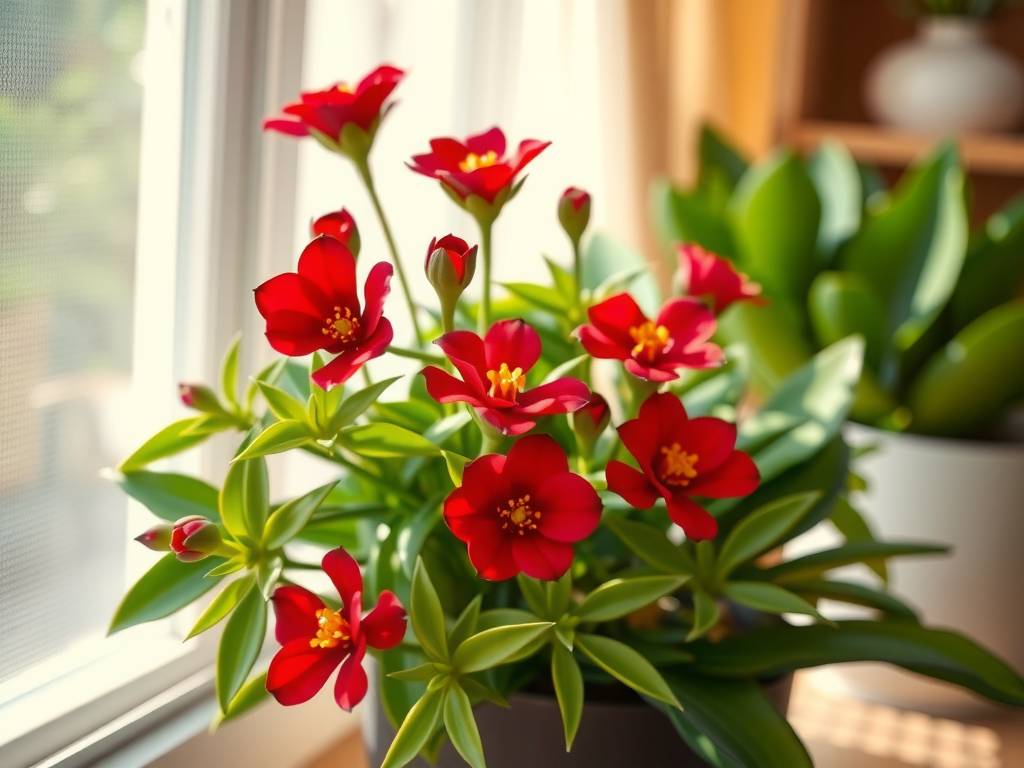
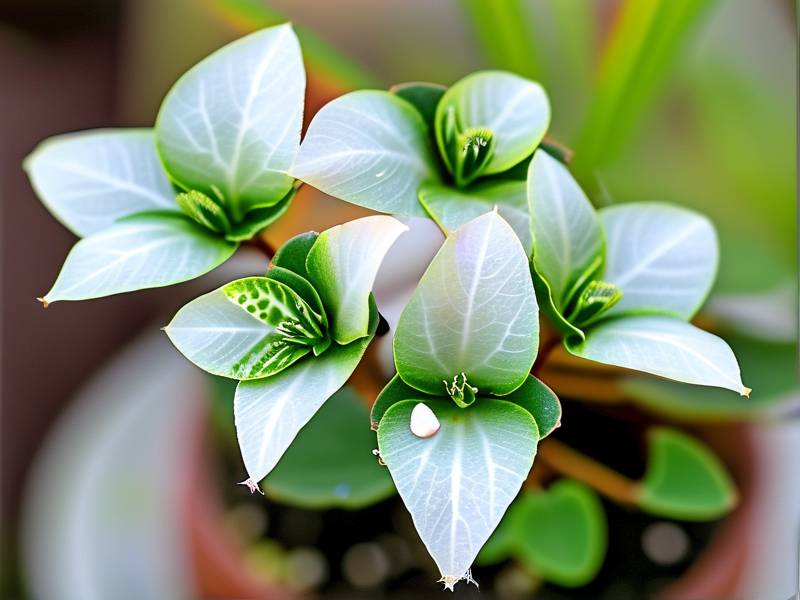
The Double Petal Kalanchoe, often sold as Kalanchoe blossfeldiana cultivars, is prized for its dense, rose-like flower heads that bring brilliant color from late winter into spring. Unlike the single-petal varieties, its flowers are fuller, offering a more spectacular display. To care for it successfully, we must replicate key conditions from its native, warm-environment habitat.
Providing the Essential Warm Light
Bright, indirect light is the non-negotiable fuel for your plant's growth and flowering. Aim for at least 6 hours of this gentle, warm light daily. An east or west-facing window is often ideal. During the darker winter months, don't hesitate to move it to your brightest south-facing spot.
Direct summer sun, especially through hot glass, can scorch the succulent leaves. If you only have a south-facing window, use a sheer curtain to diffuse the intense afternoon rays. Observing your plant is key. Stretching stems and large gaps between leaves (etiolation) are a clear cry for more light.
For those in low-light homes, supplementing with a grow light is a fantastic solution. A simple LED grow light placed 6-12 inches above the plant for 12-14 hours can make all the difference, especially in triggering blooms.
Mastering Watering and Soil for Health
The "soak and dry" method is perfect for this succulent. Water thoroughly until it runs from the drainage holes, then allow the soil to dry almost completely before watering again. Always check the soil with your finger; the top inch should feel dry.
Overwatering is the fastest path to root rot. In winter, when growth slows, you may only need to water every 3-4 weeks. Well-draining soil is your best defense. Use a commercial cactus/succulent mix, or make your own with 60% potting soil, 30% perlite, and 10% coarse sand. This ensures roots are never left soggy.
Guarding Against the Cold: A Top Priority
Kalanchoe is highly cold-intolerant. Temperatures below 50°F (10°C) can cause damage, and frost is fatal. It thrives in comfortable room temperatures between 60-85°F (15-29°C). Keep it away from drafty windows, air conditioning vents, and exterior doors in winter.
When moving your plant outdoors for summer, do so gradually after all frost danger has passed, and bring it back inside long before the first autumn chill. This cold protection is crucial for maintaining the plant's vitality and setting the stage for its flowering cycle.
The Secret to Triggering Bright Winter-Spring Flowers
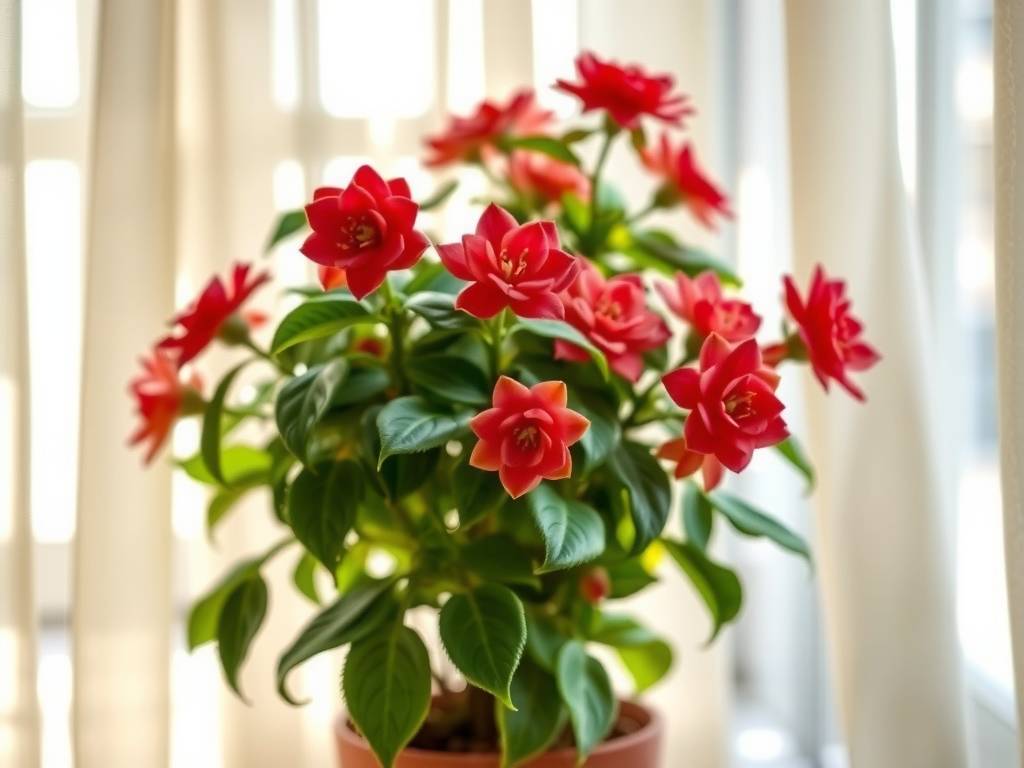
Getting those stunning double blooms requires understanding photoperiodism. This plant is a "short-day" plant, meaning it initiates flower buds when nights are long (over 14 hours of darkness). To encourage blooming for the winter and spring season, you need to mimic these conditions starting in late fall.
For about 6 weeks, provide 14-16 hours of uninterrupted darkness each night. This can mean placing it in a dark closet from 6 PM to 8 AM daily. During the day, give it its normal bright light. Reduce watering slightly during this period. After this treatment, resume normal care, and flower buds should begin to form, leading to a spectacular bright winter-spring flower display.
Feeding and Routine Maintenance
Feed your Kalanchoe lightly during its active growing season (spring and summer). Use a balanced, water-soluble fertilizer diluted to half-strength once a month. Avoid fertilizing in late fall and winter when the plant is resting or focusing on blooming. To encourage a bushier shape, you can pinch back the tips of leggy stems in spring. Remove spent flower stalks at the base to keep the plant tidy.
Troubleshooting Common Issues
- Yellowing Leaves: Usually a sign of overwatering. Check soil moisture and ensure the pot drains well.
- Leggy Growth: Insufficient light. Move to a brighter location or supplement with a grow light.
- No Flowers: The most common issue. Ensure it's getting its required long-night cycle and enough bright light during the day.
- Pests: Watch for mealybugs or aphids. Wipe with a cotton swab dipped in rubbing alcohol or use insecticidal soap.
Expert Insight: Renowned horticulturist Jane Smith notes, "The blooming of Kalanchoe is a direct response to environmental cues. Consistency with its dark period treatment is more critical than any fertilizer for flower induction."
Why are the leaves on my Double Petal Kalanchoe turning soft and mushy? This is almost always a sign of overwatering and potential root rot. The plant is cold-intolerant and its water needs drop significantly in cool, low-light conditions. Allow the soil to dry out completely, and if the problem is severe, check the roots, trim any black or mushy parts, and repot in fresh, dry, well-draining soil.
Can I keep my Kalanchoe blooming all year round? While you can manipulate light cycles to trigger blooms at different times, it's healthiest for the plant to follow a natural cycle with a rest period. Forcing constant blooming can exhaust it. The most reliable and vibrant display comes from aiming for its natural bright winter-spring flowers.
How do I get my Kalanchoe to re-bloom next year? After its spring flowers fade, continue with regular care through summer. Then, in late September or October, begin the crucial 6-week short-day treatment with long nights (14+ hours of darkness) and bright days. This cold protection from drafts and a slight reduction in water will set the stage for another spectacular floral show when the days are shortest.