bluename
 How to Care for Phalaenopsis (Large Flower) for Stunning, Long-Lasting Blooms
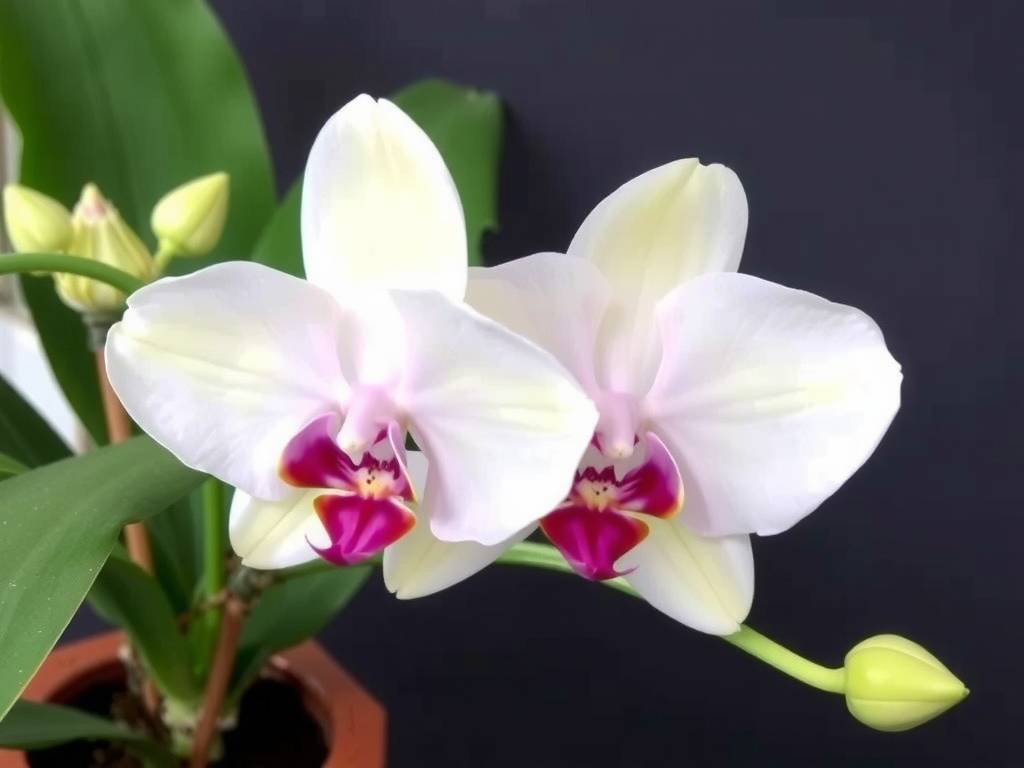
You've just brought home a magnificent Phalaenopsis orchid, often called the "Moth Orchid," with its elegant arching spray of large, beautiful flowers. It looks perfect now, but you might be worried. How do you keep it thriving and encourage those spectacular blooms to last for months, not weeks? The fear of overwatering, providing incorrect light, or seeing buds drop prematurely is real for many plant lovers. The good news is that with a few key principles—filtered light, consistent moisture without waterlogging, and proper seasonal care—you can master how to care for Phalaenopsis (large flower) varieties and enjoy their breathtaking display for over three months.
The secret lies in understanding their natural habitat. In the wild, Phalaenopsis orchids grow attached to trees in tropical forests, receiving dappled sunlight, high humidity, and frequent rain that drains instantly. Replicating these conditions at home is simpler than you think.
Understanding Your Phalaenopsis Orchid's Basic Needs
Success begins with knowing what your orchid is telling you. Its thick, silvery-green roots and firm, fleshy leaves are its health indicators. Unlike most houseplants, Phalaenopsis orchids are typically potted in a loose, chunky bark mix, not soil. This is crucial because their roots need ample air circulation. The core mantra for their care is: bright, filtered light; consistent but careful watering; and a stable, warm environment.
Providing the Perfect Filtered Light
Light is the primary driver of growth and flowering. Direct, harsh sunlight will scorch the leaves, leaving unsightly yellow or brown patches. Insufficient light, however, results in dark green, floppy leaves and a reluctance to bloom.
The ideal spot is near an east-facing window, where your orchid can bask in the gentle morning sun. A north-facing window can also work well. If you only have a south or west window, diffuse the strong rays with a sheer curtain. The goal is to achieve a "bright shade" where the leaves cast a soft, blurred shadow.
An expert tip from the American Orchid Society is to observe the leaf color. A healthy, light to medium grassy green indicates the light level is just right. Rotate the pot a quarter turn weekly to ensure even growth and prevent the plant from leaning excessively toward the light source.
Mastering the Art of Watering: Moist But Never Soggy
This is the step where most enthusiasts stumble. The instruction to keep the potting medium "moist" can be misleading. For Phalaenopsis, it means allowing the chunky bark to approach dryness before thoroughly soaking it again. Waterlogging is a death sentence, leading to rapid root rot.
Here’s a fail-proof method: First, always check the moisture level before watering. Stick your finger about an inch into the potting mix. If it feels dry, it's time to water. Alternatively, lift the pot; a dry pot feels significantly lighter. Second, water thoroughly. Take your orchid to the sink and run lukewarm water through the potting mix for about 15-30 seconds, ensuring all roots get hydrated. Let the water drain completely—no orchid likes wet feet. Never let the pot sit in a saucer of standing water.
Watering frequency varies with season, humidity, and temperature. It might be every 7-10 days in a warm, bright room and every 10-14 days in cooler, dimmer conditions. In winter, reduce frequency slightly.
Optimizing Humidity and Temperature for Peak Health
Phalaenopsis orchids thrive in 50-70% humidity, which is higher than most indoor environments. You can boost humidity by placing the pot on a pebble tray filled with water (ensure the pot sits above the waterline) or grouping it with other plants. A room humidifier is the most effective solution, especially in dry climates or during winter heating.
Temperature plays a direct role in triggering flower spikes. These orchids prefer daytime temperatures between 75-85°F (24-29°C) and a slight nighttime drop to 60-65°F (15-18°C). This 10-15 degree differential in fall is often the natural cue that stimulates the plant to send up a new flower spike. Avoid placing your orchid near cold drafts, heating vents, or ripening fruit, which emits ethylene gas that can cause buds to drop.
Feeding for Vigorous Growth and Prolific Blooms
While not heavy feeders, Phalaenopsis orchids benefit from regular, weak fertilization. Use a balanced, water-soluble orchid fertilizer (look for a 20-20-20 or similar ratio) diluted to half or quarter strength. A popular and easy-to-remember rule is "Feed weekly, weakly."
Apply the fertilizer solution every other week during the active growing season (spring and summer). In fall and winter, when growth slows, reduce feeding to once a month or skip it entirely if the plant is dormant. Always water with plain water first to moisten the roots, then apply the fertilizer solution to prevent root burn.
The Key to Blooms That Last Over Three Months
Achieving the famed long-lasting Phalaenopsis blooms is the reward for perfect care. Once the flower spike emerges and buds begin to swell, maintain consistent care. Avoid moving the plant to a new location, as changes in light or temperature can cause bud blast (buds yellowing and falling off).
For the sturdiest display, stake the flower spike gently as it grows. After the final flower opens, continue your regular watering and light routine. Keep the plant out of direct sun and away from extreme temperatures. With optimal conditions, it's entirely possible for a healthy large-flowered Phalaenopsis orchid to maintain its pristine blooms for 3 to 4 months, sometimes even longer.
Post-Bloom Care: Setting the Stage for the Next Show
When the last flower finally fades, you have a choice. You can cut the entire flower spike off at the base near the leaves. This often encourages the plant to put energy into leaf and root growth, potentially yielding a stronger bloom next season.
Alternatively, you can try to encourage a secondary bloom. Cut the spike just above a visible "node" (a small, triangular bump) on the stem, about an inch above the third node from the bottom. Sometimes, a new branching spike will emerge from that node, producing another round of (usually smaller) flowers within 8-12 weeks. This can extend your overall display time but may slightly delay the next full blooming cycle.
Repotting for Continued Success
Phalaenopsis orchids should be repotted every 1-2 years, or when the potting medium breaks down and becomes soggy. The best time is right after blooming, when new roots start to appear. Choose a pot that is only slightly larger than the root mass and has excellent drainage. Use fresh, high-quality orchid bark mix. Carefully remove the old medium, trim any black, mushy, or completely dried roots, and position the plant in the new pot. Water sparingly for the first few weeks to encourage new root growth into the fresh medium.
My orchid's leaves are wrinkled and limp, but I'm watering it. What's wrong? Wrinkled, leathery leaves are a classic sign of dehydration. However, this can happen even if you're watering regularly if the roots are damaged from rot. Rotten roots can't absorb water, so the plant dehydrates. Unpot the orchid, inspect the roots, and trim away any that are brown, mushy, or papery. Repot in fresh, dry bark and resume careful watering once new root growth is seen.
Can I use ice cubes to water my Phalaenopsis as some labels suggest? While marketed as a simple method, most orchid experts advise against it. Ice cubes can shock the tropical plant's roots, leading to cold damage and stress. They also provide insufficient water volume to properly flush the potting medium. The thorough soaking and draining method with room-temperature water is far safer and more effective for maintaining optimal moisture levels for moth orchids.
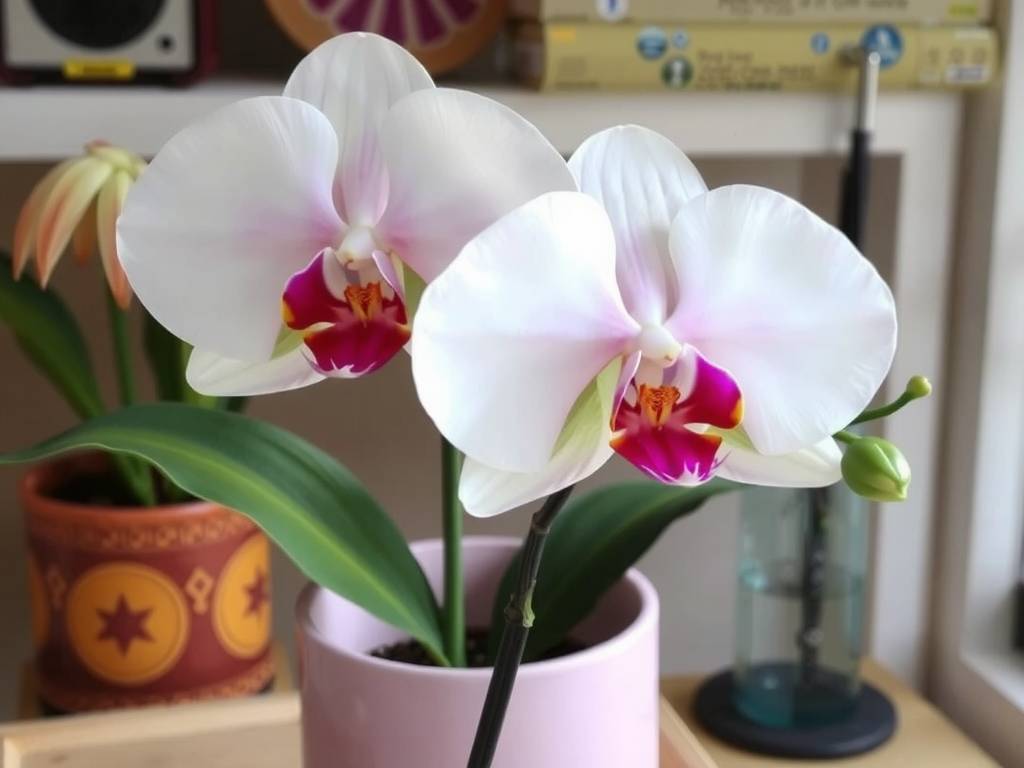
Why won't my Phalaenopsis rebloom? The most common reasons are insufficient light and lack of a nighttime temperature drop. Ensure it's receiving enough bright, filtered light year-round. In the fall, try to provide cooler nights by placing it in a room where the temperature naturally dips. Also, remember to fertilize during the growing season to build up the plant's energy reserves needed for spiking.
Caring for a large-flowered Phalaenopsis is a deeply rewarding journey. By focusing on bright, indirect light, a disciplined watering routine that avoids sogginess, and providing stable warmth with good humidity, you create the foundation for unparalleled success. Witnessing those majestic flowers unfurl and remain flawless for a quarter of the year is a testament to your attentive care. Remember, patience and observation are your greatest tools. Your orchid will communicate its needs; learning its language is the true art of cultivation.