 bluename
 How to Care for Cyclamen (Double Petal): A Guide to Cool Light and Drought-Tolerant Blooms
You've brought home a stunning double-petal cyclamen, captivated by its elegant, rabbit-ear-like flowers that seem to flutter above heart-shaped leaves. But now, you might be wondering: why are the blooms drooping so soon? Why are the leaves turning yellow? Caring for these beautiful plants can feel tricky, especially when their needs are so specific. The secret lies in understanding their unique love for cool filtered light and their surprisingly drought-tolerant nature. This guide will walk you through every step to keep your double-petaled beauty thriving, transforming uncertainty into confident, successful care.
Understanding Your Double-Petal Cyclamen
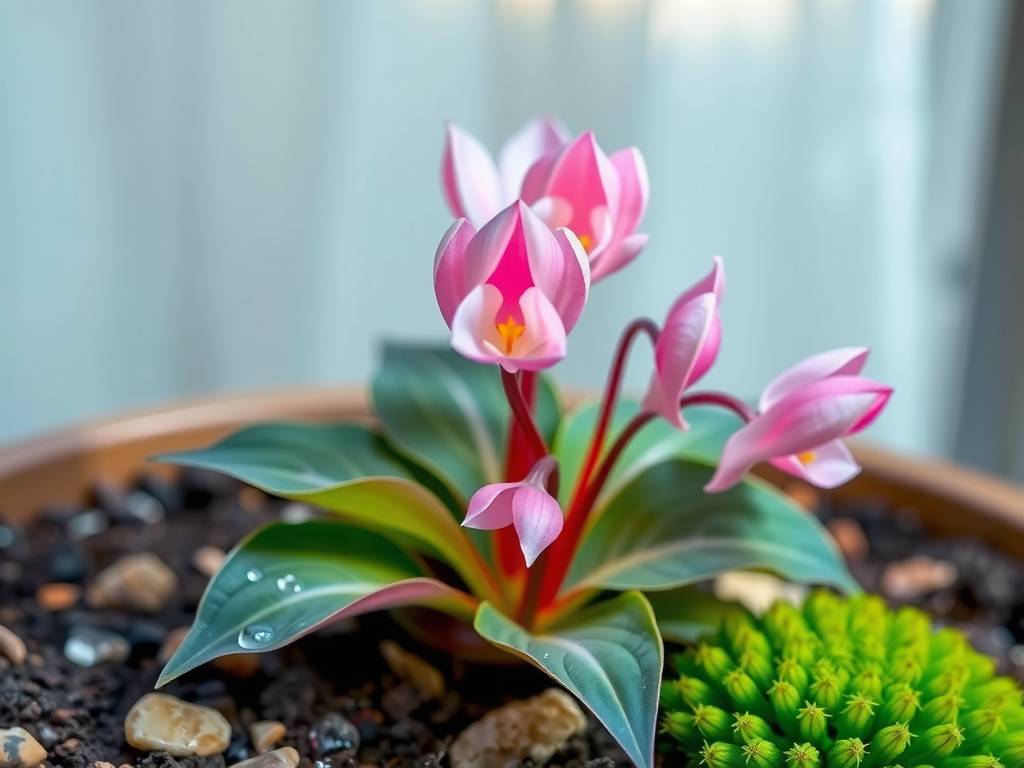
Unlike many common houseplants, the cyclamen is a tuberous perennial that originates from Mediterranean regions and parts of Europe. This origin is key to its care. The double-petal varieties, with their lush, rose-like blooms, have the same core needs as their single-petal cousins but often require a bit more attention to airflow to prevent moisture-related issues in their denser flowers. Their growth cycle is opposite to many plants: they bloom vibrantly in the cool seasons (fall, winter, and early spring) and enter a dormant period in the summer heat. Recognizing this cycle is the first step to long-term success.
The Golden Rule: Perfecting the Light and Temperature Balance
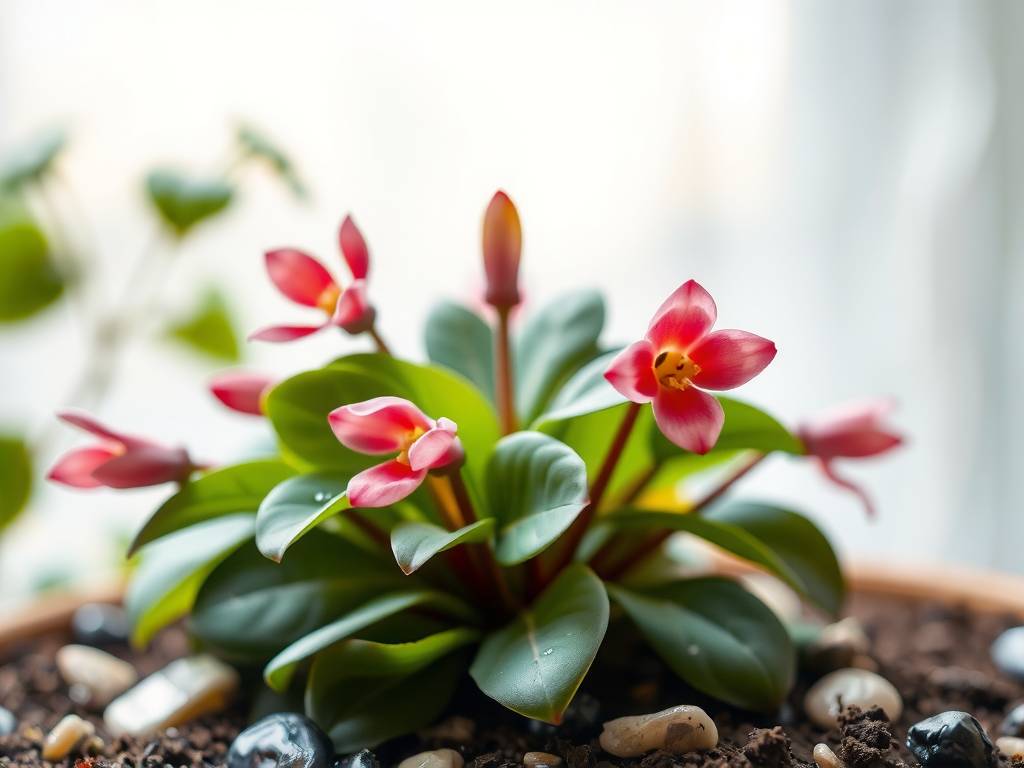
This is the most critical factor for indoor cyclamen care. These plants are not fans of heat or intense sun.
Ideal Lighting Conditions Your cyclamen thrives in bright, cool filtered light. A north or east-facing windowsill is often perfect. A spot where it receives gentle morning sun but is shielded from the harsh afternoon rays is ideal. If you only have south or west exposure, use a sheer curtain to diffuse the light. Direct sunlight, especially through glass, can scorch the leaves, cause flowers to fade rapidly, and overheat the tuber, shortening the plant's life.
Optimal Temperature Range Cyclamen prefer daytime temperatures between 60-68°F (15-20°C) and even cooler nights, down to 50-55°F (10-13°C). This cool environment is what triggers and sustains prolific blooming. A common mistake is placing them in a consistently warm living room; this often leads to rapid flower drop and a general decline. A cooler bedroom, entryway, or a spot away from heat vents and radiators is much preferred.
Mastering the Watering Technique for a Drought-Tolerant Tuber
Here’s where many growers go wrong. The cyclamen’s tuber (a swollen stem base) stores water, making the plant relatively drought-tolerant. Overwatering is the fastest path to failure, leading to tuber rot.
The Bottom-Watering Method Always water from below. Place the pot in a saucer or bowl of water for about 15-20 minutes, allowing the soil to soak up moisture through the drainage holes. Then, remove the pot and let all excess water drain away completely. Never let the pot sit in standing water.
When to Water Allow the soil surface to feel dry to the touch before watering again. The pot will feel light. You can also watch for a slight droop in the flower stalks or leaves—a sign it’s ready for a drink. During its active growth and bloom period, this might be once a week, but always check conditions first. In dormancy, watering is minimal.
Water Quality Use room-temperature water. Cold water can shock the roots and tuber. If possible, let tap water sit out overnight to allow chlorine to dissipate.
Soil, Potting, and Fertilizing for Healthy Growth
The right foundation supports everything else.
Soil Mix Requirements A well-draining, peat-based potting mix is essential. You can use a standard African violet mix or create your own with two parts peat moss to one part perlite or coarse sand. Good drainage is non-negotiable to prevent tuber rot.
Pot Selection Choose a pot that is only slightly larger than the tuber, with excellent drainage holes. Cyclamen prefer to be slightly pot-bound. When repotting (best done just before the growth cycle begins in late summer), plant the tuber with its top half above the soil line. Burying it completely invites rot.
Feeding for Vibrant Blooms Feed your plant only during its active growing and blooming period. Use a half-strength, water-soluble fertilizer high in potassium (like a tomato or bloom booster fertilizer) every 3-4 weeks. Stop feeding once flowering slows and the plant begins to enter dormancy.
Navigating Dormancy: The Summer Rest Period
Don’t be alarmed when your cyclamen begins to die back after flowering. This is normal.
As leaves yellow, gradually reduce watering. Once all foliage has died down, place the pot in a cool, dark, dry place (like a basement or garage) for 2-3 months. Keep the tuber barely moist—a tablespoon of water every few weeks is enough to prevent it from shriveling completely. In late summer, bring the pot back into cool filtered light, resume regular watering, and watch for new growth to emerge.
Troubleshooting Common Problems
- Yellowing Leaves: Often caused by overwatering, heat, or poor air circulation. Check your watering habits and move the plant to a cooler spot.
- Flowers or Stems Collapsing: Usually a sign of overwatering or crown rot. Can also be caused by extreme temperature fluctuations.
- Lack of Blooms: Insufficient light during the growth period, temperatures that are too warm, or a lack of proper dormancy period.
- Pests: Watch for aphids on flower stems or spider mites in dry, hot conditions. Treat early with insecticidal soap.
Why are all the leaves on my double-petal cyclamen turning yellow at once? This is typically a sign of overwatering, especially if the pot feels heavy. It can also signal the natural onset of dormancy if it happens after the blooming season. Assess your watering schedule and the plant's lifecycle stage.
Can I put my cyclamen outside? Yes, but only in the right conditions. During cool spring or fall weather, you can place it in a shaded, sheltered spot outdoors. Never expose it to direct midday sun, heavy rain, or frost. Always bring it back inside if temperatures threaten to dip below 50°F (10°C).
My cyclamen finished blooming. What do I do now? Continue to care for it as the leaves remain green, as it is storing energy in the tuber. Once the leaves yellow and die back, initiate the dormancy care as described. With proper rest, it can rebloom for several seasons.
With their charming rabbit-ear-like flowers, double-petal cyclamen offer a unique and rewarding gardening experience. Success hinges on respecting their natural preferences: providing that crucial cool filtered light, understanding their drought-tolerant watering needs, and honoring their summer rest. By mimicking their native cool, Mediterranean climate, you’ll be rewarded with a breathtaking display of blooms that defies the gray winter months, bringing life and color to your home when it’s needed most.





