bluename
 How to Care for Gardenia (Large Leaf): The Ultimate Guide to Lush Foliage and Fragrant Blooms
There’s nothing quite like the intoxicating fragrance and glossy, deep green leaves of a thriving large-leaf gardenia. Yet, for many gardeners, the journey is fraught with yellowing leaves, bud drop, and a disappointing lack of flowers. The frustration is real—you’ve provided what seems like loving care, but your gardenia isn’t returning the favor. The secret lies not in working harder, but in understanding its specific, non-negotiable needs. Success with these elegant evergreens hinges on mastering a few critical pillars: acidic soil, the right balance of light-loving exposure while you avoid strong sun, and maintaining moist conditions with no waterlogging. This comprehensive guide will walk you through each step, transforming confusion into confidence and ensuring your gardenia becomes the centerpiece of your garden or home.
Understanding Your Large-Leaf Gardenia’s Core Needs
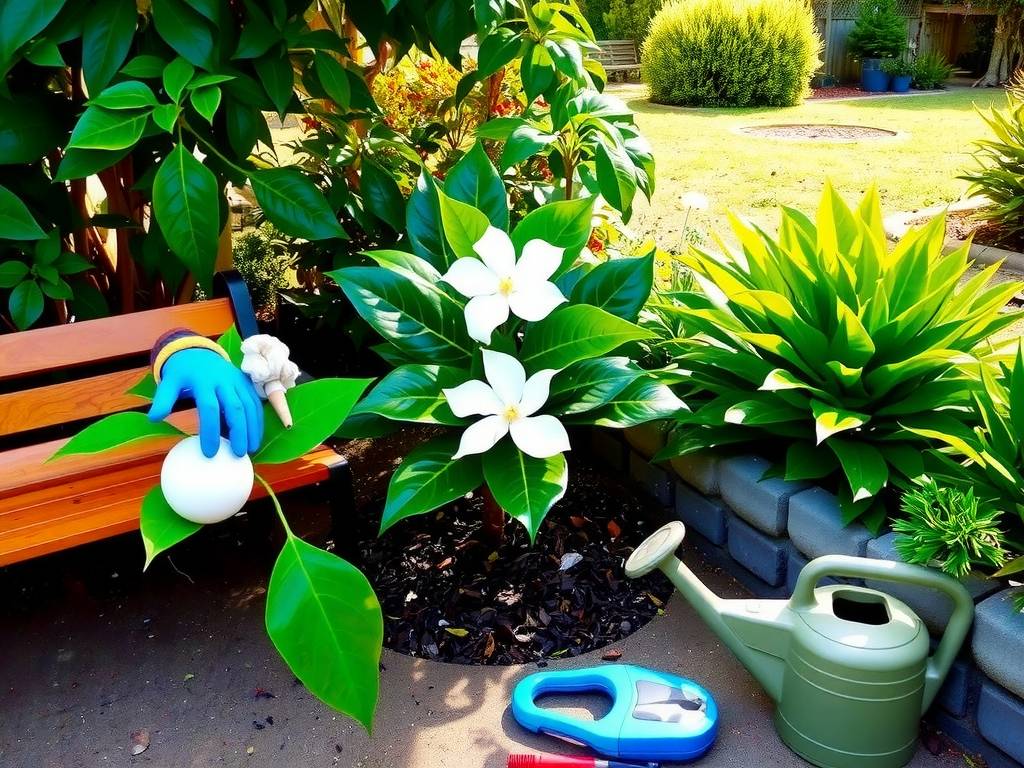
Before diving into care routines, it’s essential to think like a gardenia. Native to subtropical regions of Asia, they have evolved to thrive in particular conditions. Replicating this environment is the key. Their requirement for acidic soil is paramount, as it affects nutrient availability. Their light-loving nature demands bright illumination, but their leaves scorch easily under intense, direct rays. Finally, their roots crave consistent moisture in well-aerated ground, a delicate balance between moist and no waterlogging. Getting these fundamentals right solves over 80% of common gardenia problems.
The Foundation: Perfecting Acidic Soil Conditions
This is the most critical step, often overlooked. Gardenias require a soil pH between 5.0 and 6.5. In neutral or alkaline soil, they cannot access key nutrients like iron, leading to chlorosis—yellow leaves with green veins.
- Testing and Amending: Start with a reliable soil pH test kit. If your soil is not sufficiently acidic, incorporate amendments. Elemental sulfur is a long-lasting option, but works slowly. For faster results, use a soil acidifier formulated for azaleas and camellias. Incorporating generous amounts of peat moss or well-composted pine bark into the planting hole and mulch layer also helps maintain acidity.
- The Right Fertilizer: Use a fertilizer specifically labeled for acid-loving plants. These formulas contain chelated iron and other micronutrients in forms accessible at low pH. As noted by the University of Florida IFAS Extension, consistent feeding with an acid-forming fertilizer during the growing season is crucial for preventing nutrient deficiencies in gardenias.
- Water Quality Matters: Tap water in many areas is alkaline. Over time, watering with hard water can raise soil pH. Where possible, use rainwater, distilled water, or allow tap water to sit overnight to dissipate some chemicals.
Mastering Light and Location: Love the Light, Avoid the Burn
Gardenias are light-loving plants that perform best with at least 6 hours of bright, indirect light daily. However, the directive to avoid strong sun, especially the harsh afternoon sun, is equally important.
- Outdoor Placement: Choose a spot with morning sun and afternoon shade, or dappled light beneath a high-canopy tree. This provides the energy needed for bud formation without leaf scorch.
- Indoor Care: Place your potted gardenia near a bright east-facing window. A south or west window may require a sheer curtain as a filter during peak intensity. Insufficient light is a prime reason for indoor gardenias failing to bloom.
- Seasonal Adjustments: Be mindful of seasonal sun angle changes. A perfect spring spot might become a scorching hotspot in July. Observe your plant and be ready to provide temporary shade if needed.
The Art of Watering: Maintaining Moisture Without Waterlogging
This is the daily dance of gardenia care. The goal is consistently moist soil—think the dampness of a wrung-out sponge—while ensuring absolute no waterlogging. Soggy soil suffocates roots, leading to rapid decline.
- The Finger Test: Before watering, insert your finger into the top 1-2 inches of soil. If it feels dry, water thoroughly. If it’s still moist, wait a day.
- Thorough Watering: When you water, do so deeply until water runs freely from the drainage holes. This encourages deep root growth. Avoid frequent, shallow sprinklings.
- Superior Drainage is Non-Negotiable: Whether in-ground or in a container, drainage must be excellent. For pots, use a quality potting mix for acid-loving plants, and ensure the pot has large drainage holes. Consider adding a layer of perlite to the mix to increase aeration. In heavy garden soil, plant in a raised bed amended with compost and pine bark.
Additional Pillars for a Thriving Plant
With the core trio managed, these supporting practices will elevate your gardenia’s health.
- Humidity: Gardenias adore humidity (around 50-60%). Indoor plants benefit greatly from a pebble tray filled with water placed beneath the pot or from a nearby humidifier. Misting can help but is less effective than raising ambient humidity.
- Pruning: Prune lightly to shape the plant or remove dead wood immediately after the main bloom cycle ends. Pruning too late in the season can remove next year’s flower buds, which form on old wood.
- Bud Drop Troubleshooting: If your gardenia forms buds but they drop before opening, the usual culprits are sudden changes in temperature, inconsistent watering (especially drought stress), or low humidity. Stability is key during the budding and flowering period.
Pest and Disease Vigilance
Healthy gardenias are more resistant, but stay alert. Common pests include whiteflies, aphids, and spider mites, often manageable with insecticidal soap or neem oil. The main disease threat, root rot, is prevented by adhering to the “no waterlogging” rule.
Why is the soil pH so critical for my large-leaf gardenia? Gardenias have evolved to uptake essential nutrients, particularly iron, manganese, and aluminum, in acidic conditions. When the soil pH is too high (alkaline), these nutrients become chemically "locked up" and unavailable to the plant, leading to yellowing leaves (chlorosis) and poor overall health, regardless of how much fertilizer you apply.
Can I use used coffee grounds to acidify my soil? Used coffee grounds are slightly acidic and can be a beneficial addition to your compost or mulch layer, adding organic matter. However, they are not a reliable or fast-acting method for significantly lowering soil pH. For a measurable change, use a dedicated soil acidifier or elemental sulfur based on a soil test recommendation.
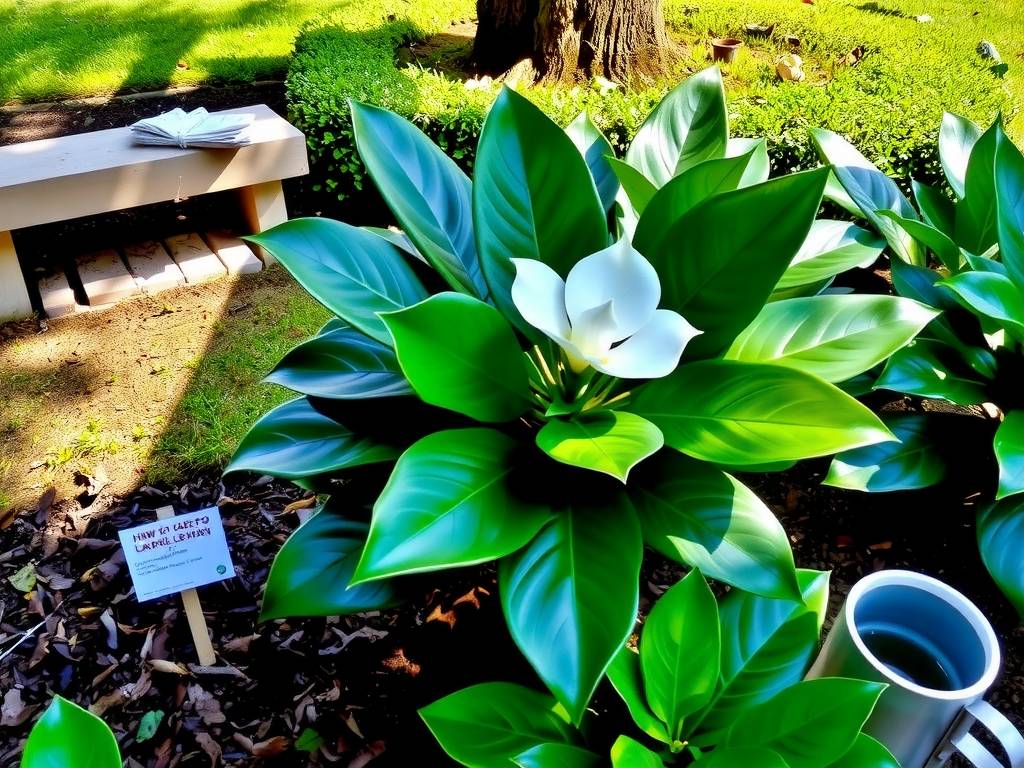
My gardenia’s leaves are turning black. What’s happening? Black leaves are typically a sign of fungal disease, often sooty mold. This mold grows on the sticky "honeydew" secreted by pests like aphids or whiteflies. Treat the underlying insect infestation with horticultural oil or insecticidal soap, and the sooty mold will gradually weather away. Blackening can also result from cold damage or severe root rot from waterlogging.
Caring for a large-leaf gardenia is a rewarding practice in attentive gardening. By faithfully providing acidic soil, balancing its light-loving habit with protection from the strongest rays, and mastering the moisture equilibrium—keeping roots moist but with no waterlogging—you create the foundation for spectacular growth. Pair this with consistent humidity, appropriate feeding, and vigilant pest management, and you’ll be rewarded not just with stunning glossy foliage, but with the unforgettable, fragrant blooms that make every bit of effort worthwhile. Your thriving gardenia will stand as a testament to understanding and meeting the unique needs of a beloved plant.